
Plants
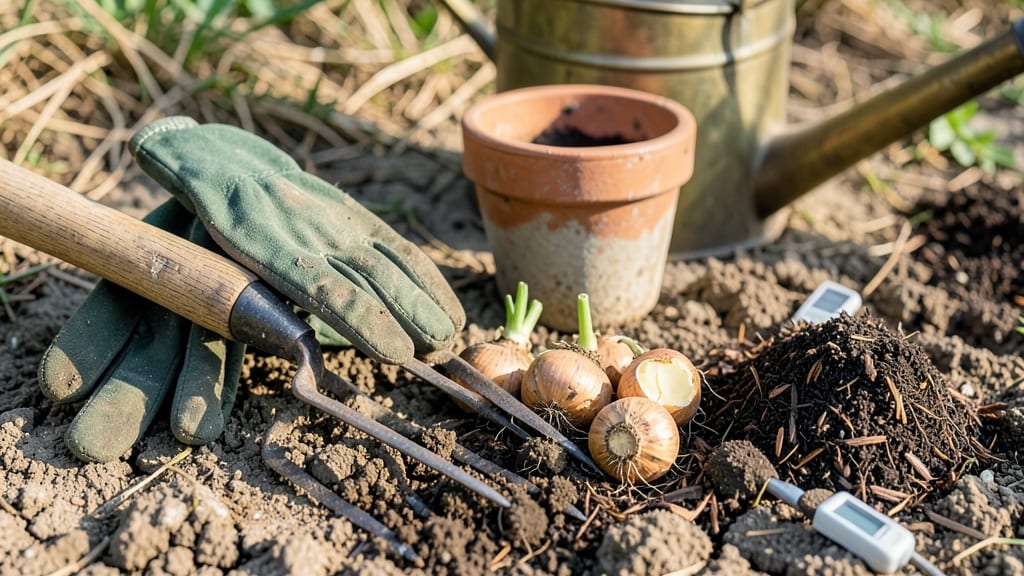
Timing your Gladiolus 🌸 planting in Georgia can mean the difference between a stunning summer garden and wasted bulbs. The ideal window—right after your last frost—varies slightly across the state, but getting it right ensures those bold, towering blooms you’ve been dreaming of.
Most Georgia gardeners in USDA Zones 7b-8b should wait until March or early April when soil temperatures warm up. Planting too soon risks frost damage, while waiting too long might stress your bulbs before they establish roots. The key is balancing warmth with moisture—your Gladiolus needs both to thrive.
In this guide, I’ll walk you through exactly when to plant based on your region, how deep to bury those bulbs, and the spacing tricks that keep your garden looking full and healthy.
Whether you’re in the Piedmont or near the coast, these tips will help you avoid common mistakes and enjoy months of vibrant blooms from July through September.
Ready to transform your garden? Let’s dive into the perfect frost-free planting schedule tailored just for Georgia’s climate—so you can enjoy those showstopping Gladiolus 🌸 all summer long.
Georgia’s gladiolus planting timeline: avoiding frost and heat stress
Gladiolus bulbs thrive in Georgia’s USDA Zones 7b-8b, but timing your planting is critical.
The last average frost date for most of Georgia falls in mid-March, but this varies by region—North Georgia can see frost into late March or early April, while South Georgia warms up faster.
Planting too early risks frost damage, while waiting too long may stress bulbs before they establish roots.
For optimal bloom times, aim to plant gladiolus bulbs 2-4 weeks after your last frost date. This typically lands in late March to early April for most of Georgia.
Early bloomers like 'White Prosperity' or 'Pink Parfait' can be planted slightly earlier, while late-season varieties like 'Black Star' benefit from a slightly delayed start to avoid summer heat stress.
Soil temperature is another key factor. Gladiolus bulbs need soil that’s warmed to at least 60°F (15°C) before planting. In Georgia, this usually aligns with early April in most regions, but you can use a soil thermometer to verify.
Cool soil slows root growth, delaying blooms and making plants more susceptible to rot and fungal diseases.
Georgia’s microclimates play a huge role in timing. Coastal areas like Savannah or Brunswick may see earlier last frost dates (mid-February to early March), while mountainous regions like Dahlonega or Blue Ridge can linger near freezing until April.
Use your local Cooperative Extension Service frost data or a frost calendar app to pinpoint your exact window.
If you’re unsure about your local frost date, use the National Weather Service’s frost prediction maps or check with your county extension office. For example, Athens (Zone 8a) typically plants in mid-April, while Savannah (Zone 8b) can start as early as late February.
Adjust for early vs. late bloomers: plant early varieties first to enjoy blooms in June-July, and later varieties for August-September color.
For extended bloom seasons, consider a staggered planting approach. Plant one-third of your bulbs in early April, another third in mid-April, and the final third in late April. This ensures continuous blooms from summer through early fall, when Georgia’s heat can otherwise stress plants.
Just be sure to space varieties by at least 2 weeks to avoid overcrowding.
Heat stress is a real concern for gladiolus in Georgia’s summer months. If you plant too late (after mid-May), bulbs may struggle to establish roots before the dog days of summer hit.
Look for heat-tolerant varieties like 'Red Shades' or 'Green Wave', which handle Georgia’s humidity better than delicate hybrids. Always choose a sunny, well-drained spot to minimize heat-related issues.
Pro tip: Mark your planting date on a calendar and count 120 days ahead to estimate bloom time. For example, if you plant on April 15, expect blooms around August 15.
This helps you plan for staking, fertilizing, and deadheading at the right times. In Georgia’s climate, late summer blooms often last longer because the humidity is high and temperatures are still warm.
Finally, don’t forget that gladiolus bulbs are not winter-hardy in Georgia. After blooming, dig up and store your bulbs in late fall (after the first frost) to replant next spring.
This prevents rot and pest damage during Georgia’s wet winters. Store bulbs in a cool, dry place (like a garage or basement) until planting season rolls around again.
Georgia’s gladiolus planting timeline: avoiding frost and heat stress
Gladiolus bulbs thrive in Georgia’s USDA Zones 7b-8b, but timing is critical to avoid late frosts or summer heat stress. The ideal window spans March through April, right after your last average frost date.
For most of Georgia, this falls between mid-March and early April, but microclimates vary—coastal areas warm earlier than the Piedmont.
Use your local last frost date as your guide. In North Georgia (Zone 7b), wait until mid-April to plant, while South Georgia (Zone 8b) gardeners can start as early as late February in sheltered areas. Check soil temperatures—gladiolus bulbs need 60°F+ soil to sprout successfully.
| Region | Last Frost Date | Ideal Planting Window | Soil Temp Requirement |
|---|---|---|---|
| North Georgia (Zone 7b) | Mid-March | Mid-April to early May | 60°F+ |
| Central Georgia (Zone 7b-8a) | Late March | Early April to late April | 60°F+ |
| South Georgia (Zone 8b) | Early March | Late February to March | 60°F+ |
For extended summer blooms, consider a second planting in early June. This ensures flowers peak in late summer when other perennials fade. Just ensure bulbs are planted 6-8 weeks before your first fall frost (typically mid-November) to allow roots to establish before dormancy.
Monitor weather forecasts for unexpected cold snaps. If frost threatens after planting, cover bulbs with row fabric or straw mulch. In humid Georgia summers, avoid planting too late—bulbs may struggle to root before heat stress sets in, leading to stunted growth or no blooms.
Pro tip: Use biodegradable plant markers to track planting dates. This helps you remember when to fertilize (every 4-6 weeks) and when to harvest (July-September). Record your local frost dates yearly to refine timing for future plantings.
Gladiolus bulbs planted at the right time reward you with bold, dramatic blooms that last 2-3 weeks per stem. With Georgia’s climate, your timing window is narrow but sweet—don’t miss it! 🌸