
Plants
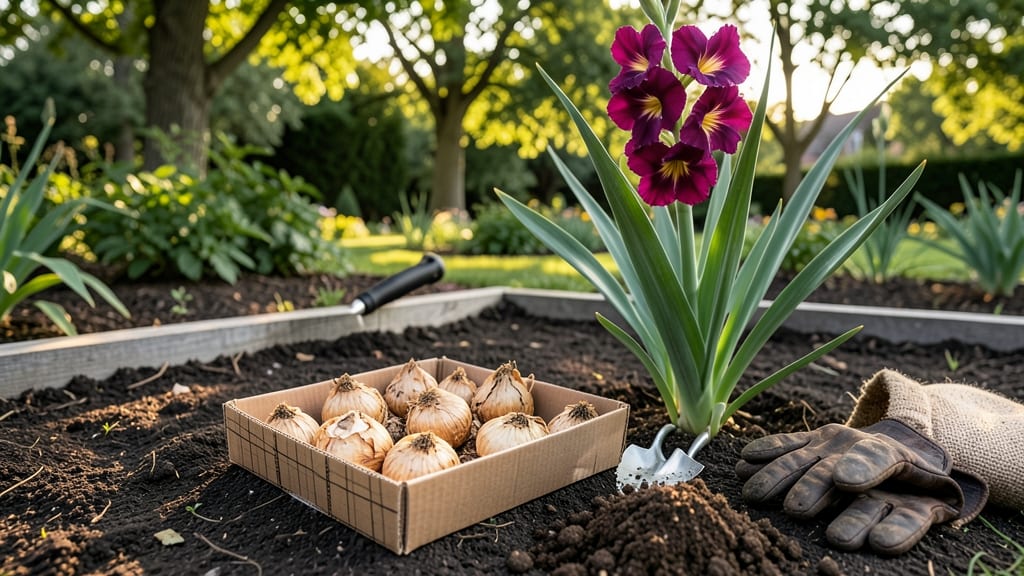
Timing when to plant gladiolus bulbs in Indiana just right is the secret to those jaw-dropping summer blooms that make neighbors stop and stare. These striking 🌸 flowers need warmth and patience, and planting them too early or late can leave you with flops instead of showstoppers.
For Indiana gardeners in USDA Zone 6a, the sweet spot is late April through mid-May—right after the last frost has vanished.
This window gives your bulbs enough time to establish roots before summer's heat kicks in, setting the stage for 4-5 foot spikes of color that'll last from July through September.
But here's the thing: soil temperature matters just as much as calendar dates. You'll want that ground to warm up to at least 60°F before you tuck those bulbs 4-6 inches deep. Too cold, and your glads might rot; too hot, and they'll bolt before blooming.
I'll walk you through exactly how to read Indiana's climate signals, from tracking frost dates to preparing your soil for these dramatic summer stars. Let's make sure your gladiolus season becomes the talk of the neighborhood.
Optimal gladiolus planting timeline for Indiana’s USDA Zone 6b climate
Gladiolus bulbs thrive in Indiana’s USDA Zone 6b when planted at the right moment—typically late April to mid-May. This window ensures bulbs escape late frosts while benefiting from warm soil temperatures, setting the stage for bold summer blooms from July through September.
Timing is critical because gladiolus bulbs are cold-sensitive and won’t sprout until soil reaches 60°F (15°C).
Indiana’s average last frost date falls around April 15, but gardeners should wait 2-3 weeks after this date to plant. This buffer accounts for unpredictable late frosts, especially in northern Indiana.
For southern regions, like Evansville, you might start as early as mid-April, while northern areas, like South Bend, should delay until early May.
Here’s a month-by-month breakdown to help you align your planting with Indiana’s climate:
| Month | Planting Action | Soil Temp | Notes |
|---|---|---|---|
| March | Prepare soil; order bulbs | 40-50°F (4-10°C) | Test soil pH (6.0-7.0 ideal); amend with compost. |
| April | Plant bulbs after last frost | 55-65°F (13-18°C) | Wait until soil warms to 60°F (15°C); plant 4-6" deep. |
| May | Stagger plantings for extended blooms | 65-75°F (18-24°C) | Plant every 2 weeks for continuous flowers. |
| June | Monitor watering; fertilize | 70-80°F (21-27°C) | Water deeply 2-3x/week; avoid wetting foliage. |
| July-Sept | Enjoy blooms; deadhead spent flowers | 75-85°F (24-29°C) | Cut back foliage after first frost; dig and store bulbs. |
For gardeners in northern Indiana, where frosts linger longer, consider using row covers or planting in containers that can be moved indoors if frost threatens. Conversely, southern Indiana gardeners can experiment with early April plantings in microclimates with early warming, like south-facing slopes.
One common mistake is planting too early, which risks bulb rot in cold, wet soil. Always check soil temperature with a soil thermometer—gladiolus bulbs won’t sprout until the ground reaches 60°F (15°C).
If you’re unsure about your last frost date, consult your local Cooperative Extension office for hyper-local advice.
Pro tip: Mark your calendar for June 1—this is when Indiana’s summer heat typically settles in, and gladiolus bulbs planted in late April will be well-established and ready to burst into color. Early plantings also give bulbs time to develop strong roots before the July-August blooming peak.
If you’re new to gladiolus, start with dwarf varieties like ‘Picasso’ or ‘Black Star,’ which are easier to manage in smaller gardens. These varieties also tolerate Indiana’s humidity better than taller types, reducing the risk of floppy stems in summer downpours.
Finally, remember that gladiolus bulbs are not perennial in Indiana’s climate. After the first frost, dig up bulbs, dry them, and store them in a cool, dark place for next year’s planting. This simple step ensures you’ll have healthy bulbs ready for another stunning summer display.
With the right timing and care, your Indiana garden will transform into a vertical rainbow of gladiolus blooms—just in time for summer’s peak color season. 🌸
Key factors that determine the best planting window for gladiolus in Indiana
Gladiolus bulbs thrive in Indiana’s USDA Zone 6b when planted after the last frost date, which typically falls around April 15. However, several critical factors influence the ideal planting window beyond just the calendar date. Understanding these ensures your bulbs establish strong roots before summer heat arrives.
First, soil temperature plays a crucial role. Gladiolus bulbs need soil that’s warmed to at least 60°F (15°C)—a threshold Indiana usually hits by mid-April in most regions. Cold soil can stunt root growth, leading to weak stems and fewer blooms. Use a soil thermometer to verify before planting.
Planting Too Early Risks Frost Damage
Even after the last frost, late spring frosts can still occur in Indiana’s northern regions. If temperatures dip below 32°F (0°C), emerging shoots will die back. Wait until nighttime temperatures consistently stay above 50°F (10°C) before planting.
Pro Tip: Use row covers if planting early to protect young shoots from unexpected cold snaps.
Another critical factor is bulb hardiness. While gladiolus bulbs are hardy to Zone 7, they prefer warmer conditions to bloom reliably. In Indiana’s cooler springs, planting too early can delay flowering until late summer, missing peak bloom season.
Aim for 4-6 weeks before your area’s last frost—typically late April to early May.
Soil drainage is often overlooked but essential. Gladiolus bulbs rot easily in soggy soil. Indiana’s clay-heavy soils can trap moisture, so amend with compost or sand to improve drainage. Plant bulbs on a slight mound or in raised beds if your garden holds water after rain.
Finally, consider your gladiolus varieties. Some, like ‘Green Star’ or ‘Picasso’, bloom earlier in the season, while others, such as ‘Black Star’, need longer to mature.
Choose varieties suited to Indiana’s 165-day frost-free season and stagger planting dates to extend your bloom time from July through September.
By aligning planting with soil temperature, frost dates, and bulb hardiness, you’ll set your gladiolus up for vibrant, long-lasting blooms that steal the show in your Indiana garden. 🌸