
Plants
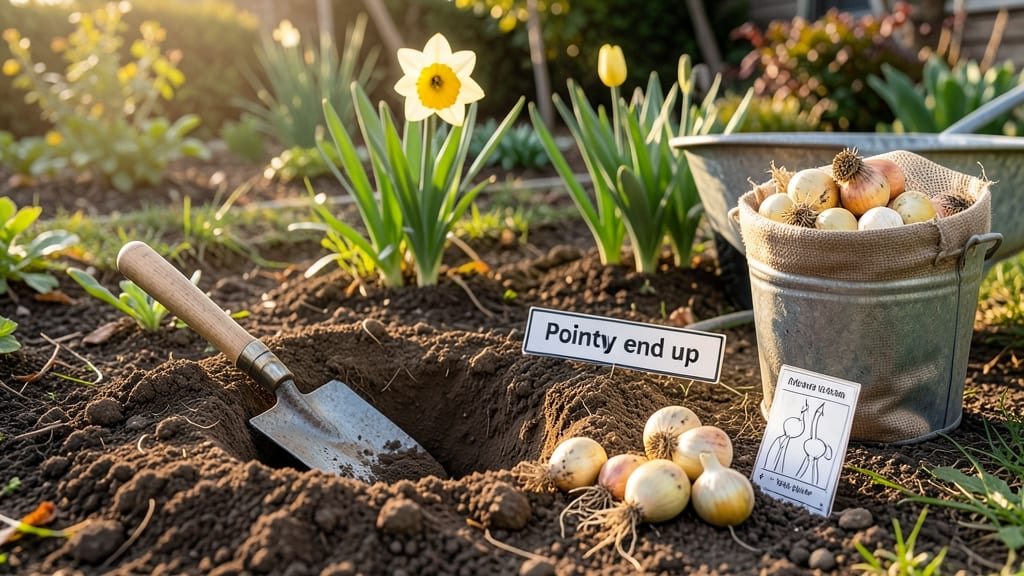
Planting daffodil bulbs in Indiana at the wrong time can mean the difference between a vibrant spring display and wasted effort.
The key to success lies in understanding your Zone 6a climate, where timing must align with soil temperatures and frost dates to give those cheerful 🌼 blooms the best chance to thrive.
Most Indiana gardeners know fall is the prime window, but pinpointing the exact moment matters. Planting too early risks rot in damp soil, while waiting too long leaves bulbs vulnerable to winter's chill. I'll walk you through the ideal October-November timeline and how to adjust for Indiana's unpredictable weather patterns.
Why does timing matter so much? Daffodils need 4-6 weeks to establish roots before the ground freezes solid. This root development is what fuels next spring's showstopping blooms. We'll cover soil temperature thresholds and how urban vs. rural Indiana microclimates can shift your planting window.
Whether you're a first-time gardener or a seasoned pro, these insights will help you plant with confidence. Let's dive into the exact steps to ensure your daffodil bulbs get off to the best possible start in Indiana's climate.
Best planting months for daffodils in Indiana’s Zone 6 climate
Indiana’s USDA Zone 6a climate creates a tight window for planting daffodil bulbs, but timing this right means the difference between rotten bulbs and vibrant spring blooms.
The ideal window spans mid-October to mid-November, when soil temperatures drop to 60°F (15°C) but haven’t yet frozen. This gives roots time to establish before winter dormancy.
Why this timing? Daffodils need 4-6 weeks of cool soil to root before the ground freezes. In Indiana, the average first frost hits around October 20, but urban areas like Indianapolis may frost 1-2 weeks earlier than rural spots.
Planting too early risks bulb rot from wet soil, while late planting delays next spring’s flowers.
For Indiana gardeners, the safest bet is to aim for late October. Check local frost dates using the National Weather Service or Purdue Extension’s Indiana Climate resources. If your area hasn’t hit 60°F soil temps by mid-November, delay planting until spring—but expect smaller blooms that first year.
| Stage | Action | Indiana Timeline | Soil Temp |
|---|---|---|---|
| Pre-Planting Prep | Test soil pH (6.5-7.0 ideal) | Early September | 65-75°F (18-24°C) |
| Planting Window | Plant bulbs 6" deep, 6" apart | Mid-October to mid-November | 60-50°F (15-10°C) |
| Root Establishment | Bulbs develop roots before frost | 4-6 weeks post-planting | Below 50°F (10°C) |
| Winter Dormancy | Bulbs rest in frozen ground | December–March | Below 32°F (0°C) |
| Spring Bloom | Flowers emerge after last frost | April–May | 40-60°F (4-15°C) |
Indiana’s microclimates play a big role. Urban areas like Fort Wayne or Gary may frost earlier than rural southern Indiana. Use the Purdue Extension’s frost map to adjust your timeline.
For example, gardeners in Zone 6a (north Indiana) should plant by October 15, while those in Zone 6b (south Indiana) have until November 1.
If you miss the fall window, spring planting is possible but risky. Plant in late February to early March, but expect smaller blooms that year. The key is getting bulbs in the ground before soil warms past 60°F—otherwise, they’ll sprout too early and get fried by summer heat.
Pro tip: Use a soil thermometer to check temps. Aim for 50-60°F (10-15°C) at planting depth. If temps are higher, wait a week or two. Wet soil is another Indiana challenge—plant in well-draining spots or amend clay soil with compost to prevent rot.
For late planters, store bulbs in a cool, dark place (like a garage) until soil temps drop. Never refrigerate—they’ll rot. If frost hits before planting, cover bulbs with straw mulch (3-4 inches thick) to insulate them until spring.
Remember: Daffodils multiply each year, so perfect timing now means decades of blooms with minimal effort. Mark your calendar for October 15-31 and set a reminder to test that soil!
Best planting months for daffodils in Indiana’s Zone 6 climate
In Indiana’s Zone 6a, the ideal window for planting daffodil bulbs spans mid-October through November. This timing ensures bulbs establish roots before the ground freezes, typically around October 20 in most areas.
The key is planting when soil temperatures drop to 50-60°F—warm enough to avoid rot but cool enough to trigger root growth.
Indiana’s climate varies by region, so adjust based on your location. Northern areas like Gary or South Bend may need earlier planting (early October), while southern zones like Evansville or Louisville can wait until late October.
Always check your local last frost date and aim to plant 4-6 weeks before it arrives.
Here’s a quick reference for Indiana’s planting timeline:
| Stage | Action | Indiana Timeline |
|---|---|---|
| Soil Prep | Loosen soil to 12" | Early September |
| Bulb Purchase | Choose firm, disease-free bulbs | Late September |
| Planting Window | Plant 6" deep, 4-6" apart | Mid-October to November |
| Post-Planting | Mulch with 2-3" straw | After planting |
If you miss the ideal window, don’t panic! You can plant as late as early December, but expect smaller blooms the first year. The critical factor is soil temperature, not calendar dates. Use a soil thermometer to confirm temps are below 50°F before planting.
Urban gardeners in cities like Indianapolis may face earlier soil freezing due to heat island effects. Rural areas tend to have more predictable frost dates. Always err on the earlier side if your fall is typically wet or unpredictable.
Pro tip: Mark your planting date on a calendar and note how your daffodils perform. Over time, you’ll refine your timing to match your microclimate perfectly.