
Plants
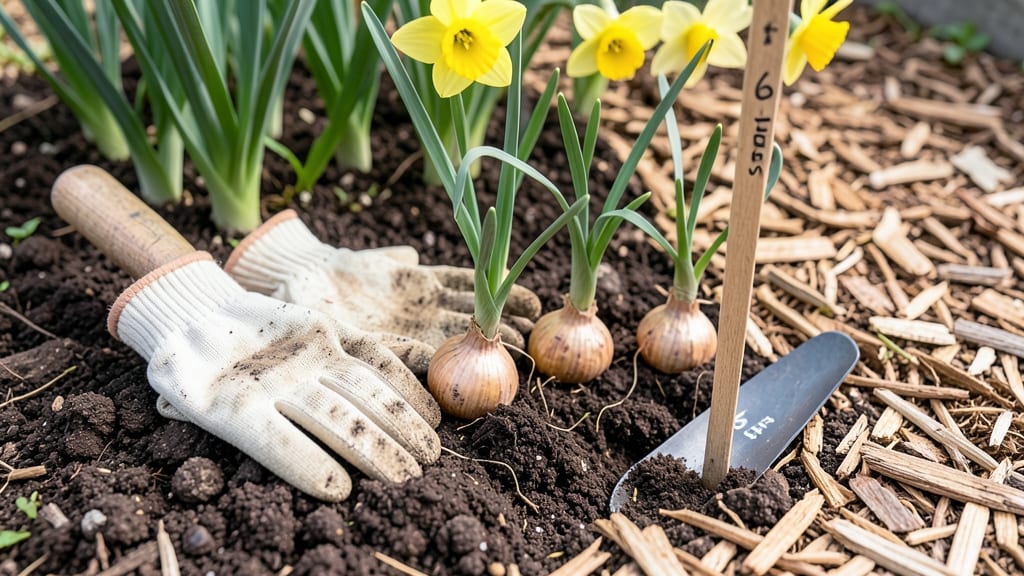
Planting daffodils in Oklahoma can feel like a guessing game—will they bloom before summer’s heat or fade too soon? The key is getting those bulbs in the ground at the right 6-week mark before the first frost, ensuring vibrant 🌼 blooms next spring.
Oklahoma’s USDA zones 6b-7a mean timing matters more than you’d think. Too early, and your bulbs may rot; too late, and they won’t root before winter. I’ll break down the exact soil temperature rules and frost-free calculations so you never miss the window again.
Whether you’re in Oklahoma City’s urban heat or rural areas with cooler nights, local microclimates shift planting dates by weeks. You’ll learn how to adjust for your specific zone, plus pro tips to extend those cheerful blooms well into May.
Ready to turn your yard into a springtime showstopper? Let’s dive into the science—and simple steps—to plant daffodils with confidence, no matter where you are in the state.
Oklahoma’s ideal daffodil planting window: soil temp & frost-free rule
Daffodils thrive in Oklahoma’s climate when planted at the right time—6-8 weeks before the ground freezes. This window ensures bulbs establish strong roots before winter dormancy. For most of Oklahoma’s USDA zones 6b-7a, that means aiming for mid-October to early November.
Planting too early risks rotting bulbs, while late planting may leave them vulnerable to winter dieback.
Oklahoma’s frost-free rule is your best guide: count 6 weeks back from your average first frost date (typically November 15). For example, if your first frost is November 15, plant by October 1.
Use NOAA’s frost data for your specific county to refine this further. In northern Oklahoma (zone 6b), you’ll plant earlier than in southern Oklahoma (zone 7a).
Soil temperature is just as critical as frost dates. Daffodils need soil temps between 60-65°F for root establishment. In Oklahoma, this usually aligns with late September to early October.
Use a soil thermometer to confirm—plant only when temps consistently drop below 70°F. Waiting too long risks bulbs sprouting before winter, which weakens them.
Here’s why timing matters: bulbs need 4-6 weeks of cool soil temps to form roots before dormancy. If planted too late, they won’t anchor deeply enough. Conversely, planting too early (e.g., August) exposes bulbs to fungal rot from warm, moist soil.
Oklahoma’s unpredictable fall weather makes this tricky—balance early enough for root growth but late enough to avoid heat stress.
| Factor | Oklahoma Specification | Why It Matters |
|---|---|---|
| Planting Window | Mid-October to early November | 6-8 weeks before ground freezes; aligns with soil temps of 60-65°F. |
| Soil Temperature | 60-65°F (ideal) | Cooler temps signal bulbs to root; warmer soil risks rot or premature sprouting. |
| Frost-Free Rule | Count back 6 weeks from first frost (Nov 15) | Ensures bulbs establish roots before winter dormancy. |
| USDA Zone 6b (North OK) | Plant by October 15 | Colder winters require earlier planting for root development. |
| USDA Zone 7a (South OK) | Plant by November 1 | Warmer microclimates allow slightly later planting. |
Oklahoma’s microclimates add another layer of complexity. Urban areas like Oklahoma City (zone 7a) can stay warmer longer, while rural areas in northern Oklahoma (zone 6b) freeze earlier. Check your last spring frost date (usually April 15) to confirm your zone.
For example, if your area has a late frost, plant daffodils 2 weeks earlier to compensate. This adjustment prevents bulbs from sprouting too early and getting nipped by late cold snaps.
Pro tip: Stagger your planting if you’re unsure about frost dates. Plant half your bulbs in early October and the rest in mid-October. This spreads risk—if one batch fails due to early frost, the other may still thrive.
It also extends your spring bloom time by 2-3 weeks. For example, early-planted bulbs might bloom in early April, while later ones follow in mid-April.
One common mistake is planting daffodils too shallowly (less than 6 inches deep). In Oklahoma’s clay-heavy soils, this exposes bulbs to temperature fluctuations and drought stress. Aim for 8-10 inches deep in sandy soils and 6-8 inches in clay.
Use a bulb planter or your finger to dig holes—plant the bulb with the pointy end up, about 2-3 times the bulb’s height below the soil surface. This depth insulates roots and protects against freeze-thaw cycles.
After planting, water deeply to settle the soil and eliminate air pockets around the bulbs. In Oklahoma’s dry falls, mulch with 2-3 inches of straw or shredded leaves to retain moisture and insulate roots. Avoid organic mulches like grass clippings, which can mat and trap moisture, leading to rot.
Reapply mulch in late winter if snow cover is minimal. This simple step can double your daffodil survival rate in Oklahoma’s variable climate.
Remember: Daffodil blooms are a sign of spring’s arrival in Oklahoma, often appearing when temperatures hover around 50°F. By planting at the right time—mid-October to early November—you’ll enjoy vibrant yellow, white, and orange blooms from March to May, just as winter’s grip loosens.
With these science-backed timing rules, your daffodils will flourish year after year, no matter Oklahoma’s whimsical weather.
Best months to plant daffodils in Oklahoma cities (by microclimate)
Oklahoma’s varied climate means Oklahoma City, Tulsa, and rural areas have slightly different planting windows for daffodils. Urban heat islands and elevation changes shift frost dates by 1-2 weeks, so local data matters.
Check your city’s NOAA frost records—most areas experience their first frost between November 15-30, but rural spots can freeze earlier.
Northern Oklahoma (like Enid) tends to have earlier frosts, while southern cities like Lawton stay warmer longer. For Tulsa, aim for mid-October to early November, while Oklahoma City gardeners should plant late October to mid-November.
Rural areas with higher elevations (like Woodward) may need to plant 2 weeks earlier than cities.
| City | USDA Zone | Ideal Planting Window | Soil Temp Goal |
|---|---|---|---|
| Oklahoma City | 7a | Late October - Mid-November | 60-65°F |
| Tulsa | 7b | Mid-October - Early November | 60-65°F |
| Lawton | 7b | Late October - Early November | 60-65°F |
| Enid | 6b | Early October - Mid-October | 55-60°F |
| Woodward | 6a | Mid-September - Early October | 50-55°F |
For urban gardeners, heat-retaining pavement can delay frost, so monitor soil temperatures—they should hit 60-65°F before planting. If you’re unsure, use a soil thermometer or check local agricultural extension reports. Rural gardeners should plant earlier to account for colder nights.
Avoid planting after November 15 unless you’re in southern Oklahoma (like Altus), where mild winters allow December planting. For container gardening, extend your window by 2-3 weeks—pots warm up faster and can be moved to sheltered spots.
Pro Tip: Stagger your planting by 2-3 weeks to enjoy blooms from March through May. Start with early varieties in October, then add mid-season types in November for a prolonged show 🌼🌸.