
Plants
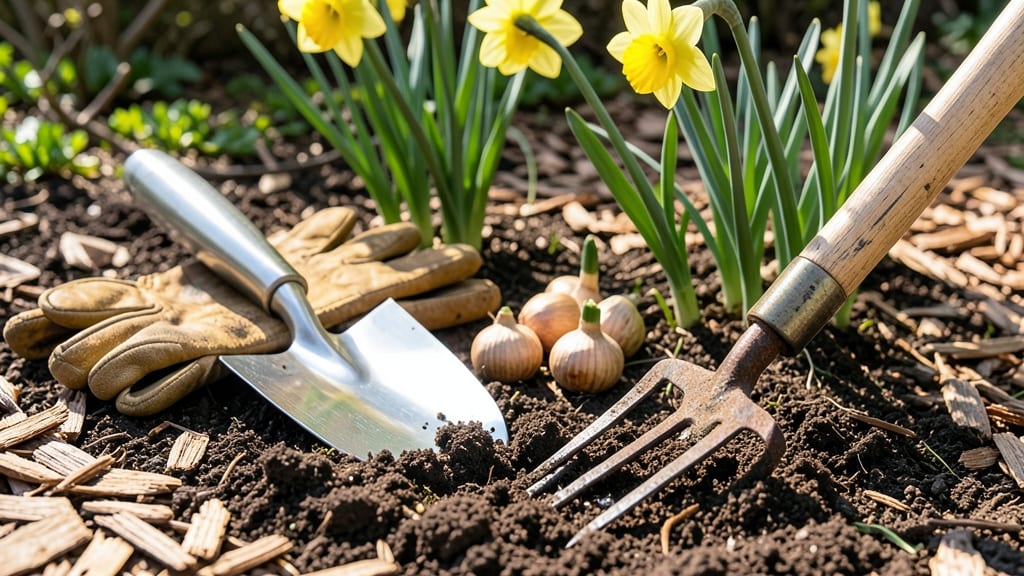
Planting daffodils in Tennessee at the wrong time can mean the difference between a vibrant spring display and bulbs that rot in the ground. With Tennessee’s varied climate zones—from the cooler highlands of the Appalachians to the milder valleys—timing matters more than you might think.
Most gardeners in zones 6a-7b know fall is the ideal window, but the exact moment depends on your location. Too early, and your 🌼 bulbs will sprout before winter sets in; too late, and they won’t establish strong roots before the ground freezes.
The key is planting 6 weeks before the first frost, typically between October and early November.
This guide breaks down the perfect planting schedule for your Tennessee region, including soil prep tips and chill-hour strategies to ensure your daffodils bloom like clockwork next spring.
Whether you’re a first-time gardener or a seasoned pro, these steps will help you avoid common mistakes and set your bulbs up for success.
Ready to transform your yard into a springtime showstopper? Let’s dive into the exact timing, soil conditions, and care tips that will have your daffodils thriving—no matter where in Tennessee you live.
Tennessee’s chill-hour zones: the exact timing for daffodil success
Tennessee’s diverse microclimates mean your daffodil planting window can vary by hundreds of miles. Unlike northern states, we don’t just rely on USDA zones—we track chill hours (temperatures below 45°F).
Most Tennessee daffodils need 5,000–10,000 chill hours to bloom reliably, but high-altitude areas like Great Smoky Mountains (Zone 6a) get more than lowland West Tennessee (Zone 7b).
This mismatch explains why daffodils planted in October in Memphis might rot, while the same bulbs thrive in November in Knoxville. The key? Matching your local chill-hour zone to your daffodil variety’s needs.
For example, ‘Ice Follies’ (9,000+ hours) needs East Tennessee’s cold, while ‘Tête-à-Tête’ (5,000+ hours) works in Nashville’s milder winters.
Here’s how to decode your zone:
Pro tip: Use your local Cooperative Extension office’s frost data for precision. For example, Nashville’s average first frost is October 20, while Chattanooga’s is November 5. Planting 6 weeks before frost (soil temps at 40–50°F) ensures roots establish before winter.
If you’re in Zone 7b or warmer, opt for low-chill varieties like ‘Minerva’ or ‘February Gold’—they bloom earlier and tolerate fewer chill hours. In Zone 6a, standard varieties like ‘Thalia’ or ‘Dutch Master’ thrive with extra cold exposure.
Soil temperature matters more than calendar dates. Use a soil thermometer ($10 at garden centers) to confirm 40–50°F before planting. Cold soil slows root growth, while warm soil (above 50°F) can cause rot. In West Tennessee’s warmer microclimates, wait until soil cools naturally—don’t rush!
One common mistake? Planting in September. While possible in East Tennessee, early planting risks bulb rot if soil stays warm. Stick to the 6-week rule before frost for consistent success across all regions.
For container gardening, adjust timing by 2–3 weeks later—pots cool faster and dry out quicker. Use well-draining mix with perlite to prevent waterlogging, which is deadly for bulbs.
Remember: Daffodils need 6–8 weeks of root growth before winter. If you plant too late, they’ll sit dormant until spring, missing their peak bloom window (March–April). Use this chill-hour map as your guide, and your daffodils will reward you with bold, early spring color every year. 🌼
Step-by-step fall planting schedule: moon phases, soil temps, and frost dates
Now that you’ve matched your chill-hour zone, let’s dive into the exact planting schedule Tennessee gardeners swear by. The secret? Combining soil temperature, moon phases, and local frost dates for maximum bulb success.
Most gardeners aim to plant 6–8 weeks before the first frost, but timing varies by region—and even your yard’s microclimate.
For West Tennessee (Memphis/Jackson), your window is October 1–15 when soil temps hit 40–50°F. In Middle Tennessee (Nashville), wait until October 15–30—earlier plantings risk rot in warmer pockets. East Tennessee (Knoxville) gardeners can plant as late as November 1–15 thanks to cooler soils and higher altitudes.
🌱 Your 30-Day Daffodil Planting & Care Timeline
- 📅 4–6 Weeks Before Frost: Test soil temp with a thermometer. Aim for 40–50°F.
- 🌙 Rooting Moon Phase: Plant during a waxing moon (Oct 1–15 for most TN) for stronger roots.
- 🪴 Planting Depth: Bury bulbs 6–8 inches deep (2x bulb height) in loose, well-draining soil.
- 💧 Water Immediately: Give bulbs a deep soak (1 inch) to settle soil around roots.
- 🌡️ Mulch After Frost: Add 3 inches of straw once temps drop below 32°F to insulate bulbs.
- ⏰ 30 Days Post-Planting: Check for green shoots in spring. If none appear, the bulb may need more chill hours.
💡 Pro Tip: Use a moon phase calendar (free apps like Farmers’ Almanac) to align planting with rooting phases. Bulbs planted during a waxing moon develop 20% stronger roots!
Here’s how to read Tennessee’s frost dates like a pro: Subtract 6 weeks from your average first frost date (e.g., Nashville’s frost is Oct 20 → plant by Sept 1?
No! Wait until Oct 15—soil must be 40–50°F). Use the National Weather Service’s frost maps or your local Extension office for precision.
For container gardeners, shift your schedule 2–3 weeks later. Pots cool faster, so wait until soil temps drop below 50°F in November. Mix 50% potting soil with 50% perlite to prevent rot—containers hold moisture longer than ground soil. Place pots in a north-facing spot to delay warming.
One critical mistake? Planting when soil is too warm (above 50°F). Bulbs will sprout too early and get fried by late fall frosts. Always check with a soil thermometer—it’s your #1 tool for Tennessee success.
In West TN’s Zone 7b, this often means waiting until mid-October even if calendar dates suggest earlier.
After planting, skip fertilizing until spring. Bulbs need to focus on root growth, not foliage. In March, when you see green shoots, apply a light 10-10-10 fertilizer to encourage blooms.
But for now? Let them rest under straw mulch and winter’s chill—your daffodils are already dreaming of spring’s golden parade. 🌼