
Plants
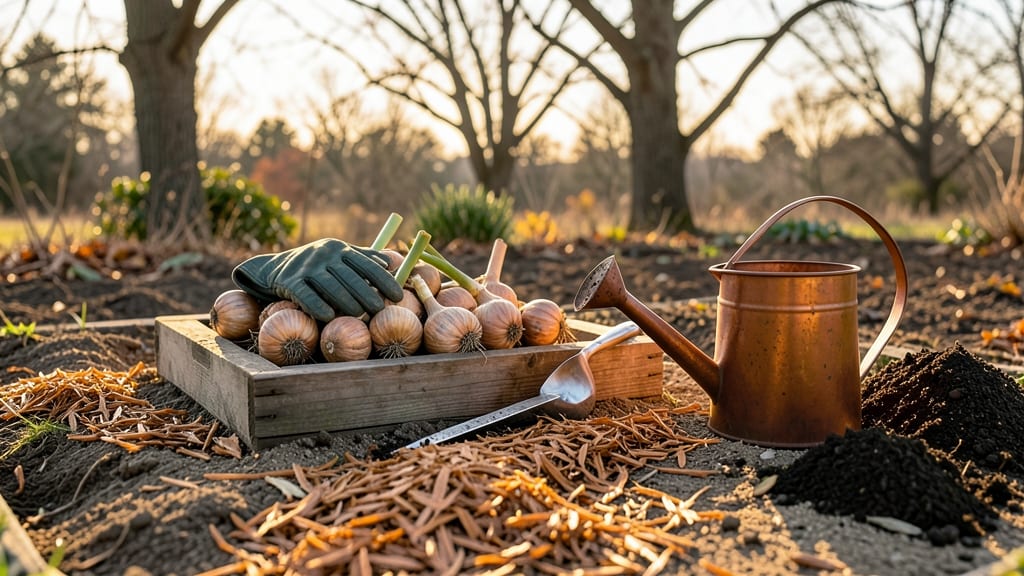
If you're wondering when to plant daffodils in Zone 9b, timing is everything—especially when your winters are mild and summers scorching. Plant too early, and those delicate bulbs may rot in the warm soil; too late, and they won’t establish strong roots before the heat returns.
The sweet spot? Aim for late fall, when temperatures cool but frost isn’t a threat yet.
For Zone 9b gardeners (think Phoenix or Southern California deserts), the ideal window is November through January. This gives daffodils 🌼 time to root deeply before spring’s warmth kicks in. Skipping this window?
You risk weak blooms—or worse, bulbs that never sprout. Let’s break down the exact steps to plant them right, so you’re rewarded with cheerful blooms by March or April.
Here’s the game-changer: soil temperature matters more than calendar dates. Bulbs need soil that’s 50–60°F—cool enough to prevent rot but warm enough to encourage growth.
Test your soil’s temp before planting, and adjust your schedule if your fall stays unusually warm. Trust me, this small step makes all the difference.
Ready to avoid the common mistakes? I’ll walk you through soil prep, bulb depth, and even how to spot if you’ve planted at the wrong time. By the end, you’ll know exactly when to dig in—and when to hold off—for daffodils that thrive in your unique climate.
Let’s get those bulbs in the ground the right way.
Best months to plant daffodils in Zone 9b: avoiding heat stress and rot
Zone 9b’s warm winters and hot summers create unique challenges for planting daffodils. Unlike colder zones, your bulbs won’t get a natural dormancy period if planted at the wrong time. The ideal window is October through January, but timing matters more here than in frost-prone regions.
Planting too early—like in September—risks rot from lingering summer heat, while waiting until February may delay blooms or stress the bulbs before spring growth. The key is soil temperatures below 70°F and consistent moisture without waterlogging.
Here’s why November and December are your safest bets: cooler air helps roots establish, and winter rains (if any) provide natural hydration. Coastal areas can plant slightly later due to milder microclimates, while inland desert zones should aim for the earliest part of this window.
| Planting Window | Soil Temp Threshold | Risk Level | Best For |
|---|---|---|---|
| October | 65-70°F | Medium (early heat risk) | Coastal areas, late starters |
| November | 60-65°F | Low (optimal) | Inland deserts, best success |
| December | 55-60°F | Low (cold tolerance) | Mountain foothills, late prep |
| January | 50-55°F | Medium (delayed blooms) | Emergency planting, small bulbs |
| February | Above 60°F | High (heat stress) | Avoid (unless microclimate allows) |
For Zone 9b gardeners, the 4-6 week rule applies: plant bulbs 4-6 weeks before your average first frost (even if frost rarely occurs). In Phoenix, this means mid-October to early November; in San Diego, you might stretch to late November.
Pro tip: Use a soil thermometer to confirm temps are stable below 70°F before planting. If your soil stays warm, opt for shaded beds or container planting to protect bulbs from overheating.
Container planting is especially useful in Zone 9b’s intense sun. Choose pots with drainage holes and use a lightweight potting mix to prevent waterlogging. Place containers in partial shade during peak summer months to avoid bulb desiccation.
Remember: Daffodils thrive on routine. Once planted in your ideal window, maintain consistent moisture (but not soggy soil) and full sun exposure. With the right timing, you’ll see vibrant blooms by late winter or early spring, long before summer heat arrives.
If you’re unsure about your local microclimate, observe nearby existing daffodils or ask local nurseries for Zone 9b-specific varieties like ‘Ice Follies’ or ‘Tête-à-Tête’, which handle heat better than standard types.
For coastal gardeners, humidity matters. Increase spacing between bulbs to 8-10 inches to improve airflow and reduce fungal risks. Inland gardeners should focus on mulching with straw or wood chips to retain moisture.
Best months to plant daffodils in Zone 9b: avoiding heat stress and rot
Zone 9b’s mild winters and hot summers create a tricky timeline for planting daffodils 🌼. Unlike cooler climates, you can’t just follow a generic "fall planting" rule—your bulbs need cool soil but no frost.
The ideal window is late October through January, but let’s break down why this matters and how to adjust if your fall stays unusually warm.
Your biggest risk? Planting too early when soil temps exceed 60°F. Daffodil bulbs rot at 70°F or higher, so check soil temps with a soil thermometer before digging.
Aim for 50–60°F—this is your sweet spot for root growth without inviting disease. If your October soil is still warm, wait until November.
🌱 Comparison Table: Zone 9b Daffodil Planting Windows
| Month | Soil Temp | Risk Level | Best For |
|---|---|---|---|
| October | 60–75°F | High (rot risk) | Coastal areas with cooler soil |
| November | 50–60°F | Low (ideal) | Inland Zone 9b (Phoenix, LA) |
| December | 45–55°F | Very Low | Best for late planners |
| January | 40–50°F | Low (risk of weak blooms) | Emergency planting |
| February+ | 55°F+ | High (poor root growth) | Avoid entirely |
💡 Pro Tip: Use mulch (2–3 inches of straw) after planting to insulate bulbs and maintain even soil temps.
What if you miss the ideal window? Planting in February is possible but risky—bulbs may not bloom until next year. For a second chance, try planting in late January if your soil stays cool.
Just know: the earlier you plant, the stronger your blooms will be. Think of it like training for a marathon—start too late, and you’ll feel the strain.
Another critical factor: bulb size. In Zone 9b, opt for larger bulbs (12–16 oz)—they’ve got more energy reserves to handle your warm winters. Smaller bulbs may struggle to establish roots before spring heat arrives.
I’ve seen gardeners in Phoenix swear by Tête-à-Tête daffodils (dwarf varieties) for their reliability in hot climates.
Don’t forget: well-draining soil is non-negotiable. Zone 9b’s clay-heavy soils can trap moisture, leading to bulb rot. Amend your soil with compost or sand before planting, and avoid low spots where water pools. A quick soil test for pH (6.0–7.0) ensures your daffodils get the nutrients they need without stress.
Finally, resist the urge to plant in summer. While some bulbs thrive with summer planting, daffodils need cool dormancy to prepare for spring blooms. If you’re tempted, wait until September at the earliest—but even then, monitor soil temps closely.
Your goal is root establishment, not forcing growth in heat.