
Plants
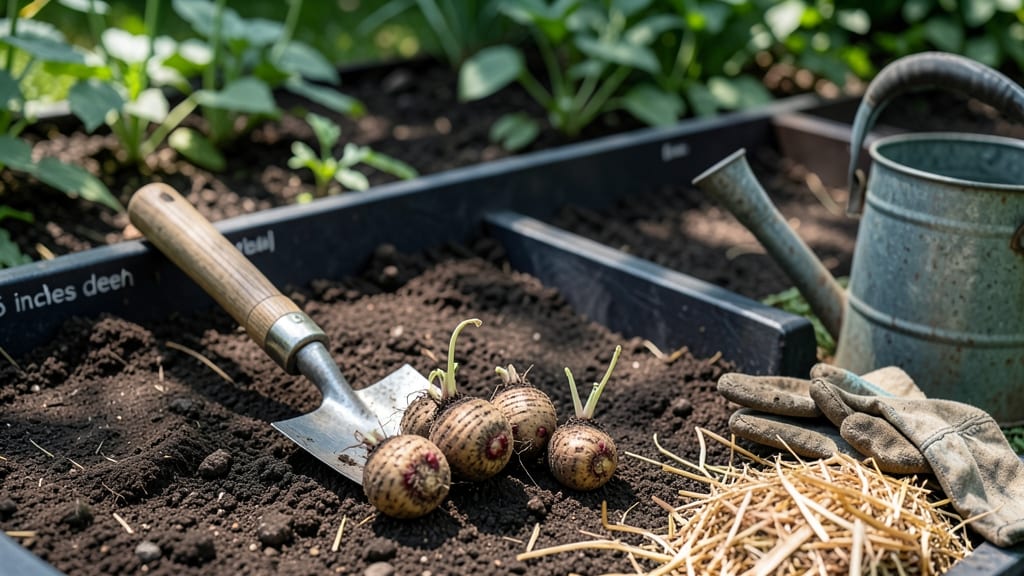
Planting dahlia bulbs at the wrong time in Oregon can mean the difference between a show-stopping garden and a sad, wilted disappointment. With USDA zones 7b-9a and microclimates ranging from coastal fog to inland heat, timing is everything for your 🌸 dahlias to thrive.
Most gardeners in Oregon wait until mid-April to early May—after the last frost—to plant their tubers, but that window shifts depending on whether you're in Portland's marine layer or Medford's warmer valleys.
The key isn't just avoiding frost; it's also ensuring the soil has warmed enough to support strong root growth.
In this guide, I'll break down the exact planting timeline for your region, plus the three critical mistakes that derail even the most eager gardeners. Whether you're a first-timer or a seasoned pro, these insights will help you get your dahlias off to the best possible start.
Ready to transform your garden? Let’s dive into the perfect moment to plant—and how to keep your dahlias blooming all summer long.
Best planting timeline for Oregon dahlias: month-by-month guide
Timing is everything when planting dahlia bulbs in Oregon—get it wrong, and you’ll end up with stunted growth or frost damage. The ideal window is mid-April to early May, but this varies by Oregon’s microclimates.
Coastal areas like Portland can plant earlier, while high desert regions like Bend should wait until late May. Always check your last frost date (typically April 15 in the Willamette Valley but later in Eastern Oregon).
Dahlias thrive in warm soil—aim for 60°F or above. Use a soil thermometer to confirm before planting. If your soil is still cold, wait a few weeks. Cold soil slows root growth, leaving plants vulnerable to rot or pests.
In USDA Zones 7b-9a, this usually aligns with late April to early May, but coastal fog can delay warming.
Here’s your month-by-month Oregon dahlia planting guide, tailored to local conditions:
| Month | Action | Soil Temp | Notes |
|---|---|---|---|
| March | Prep soil | 45-55°F | Add compost, test pH (6.0-7.0), loosen soil 12" deep |
| April | Plant tubers | 60°F+ | Wait for last frost (coastal: mid-April; inland: late April) |
| May | Mulch & water | 65°F+ | Apply 2" mulch, water deeply 2x/week |
| June-July | Fertilize | 70°F+ | Use 5-10-10 fertilizer every 4 weeks |
| August | Deadhead | 65°F+ | Remove spent blooms to encourage more flowers |
| October | Dig tubers | 50°F+ | Before first frost (store in cool, dry place) |
For late starters, you can plant dahlia tubers as late as early June, but expect smaller blooms and shorter stems. If you miss this window, consider container gardening—pots warm up faster and give you more control over soil temperature.
Just ensure your container has drainage holes to prevent root rot.
Oregon’s coastal regions (like Astoria or Cannon Beach) often have cooler, foggier springs, delaying soil warming. In these areas, wait until mid-May to plant. Meanwhile, inland valleys (like Bend or Redmond) can plant 2-3 weeks earlier due to faster soil warming.
Always monitor your local weather forecasts for frost warnings in May.
Pro tip: If you’re unsure about your last frost date, use frost cloth as a safety net for early plantings. This lightweight fabric protects young shoots from unexpected cold snaps while allowing sunlight and water to pass through. Remove it once daytime temperatures consistently stay above 50°F.
Once your dahlias are in the ground, consistent watering is key—aim for 1-2 gallons per plant every 3-5 days. In drought-prone areas like Southern Oregon, consider drip irrigation to keep roots evenly moist without wasting water.
Mulching with straw or wood chips helps retain moisture and regulate soil temperature.
By following this timeline, your dahlias will thrive from <
3 Critical mistakes that kill Oregon dahlias (and how to Fix them)
Oregon’s cool springs and unpredictable frosts make dahlia planting tricky. Even experienced gardeners in Portland or Eugene can accidentally sabotage their dahlias by ignoring these three common mistakes. Let’s fix them before your tubers turn to mush—or worse, rot in the ground. The first mistake? Planting too early when soil temperatures are still below 60°F. Cold soil delays root growth and leaves tubers vulnerable to rot. I’ve seen gardeners in USDA Zone 7b rush to plant in early April, only to have their dahlias fail to sprout until June—by then, they’re already behind the blooming curve.⚠️ Callout Warning
Cold soil (below 60°F) stunts roots and invites rot. Wait until after last frost—typically mid-April in Portland, late April in Eugene, and early May in Eastern Oregon.
🔹 Fix: Test soil with a thermometer or wait until daytime temps stay above 60°F for 3+ days.
🔹 Sign: If your hands feel warm in the soil, it’s ready!
⚠️ Callout Warning
Compacted or waterlogged soil suffocates roots. Oregon’s clay-heavy soils need amendments like compost and sand.
🔹 Fix: Mix in 3 inches of compost + 1 inch of perlite before planting.
🔹 Sign: Soil should crumble easily when moist—not stick to your shovel.
⚠️ Callout Warning
Fluctuating soil temps and moisture stress dahlias. Mulch retains heat and suppresses weeds.
🔹 Fix: Apply 4 inches of straw or wood chips after planting.
🔹 Sign: Soil stays consistently warm and weed-free.