
Plants
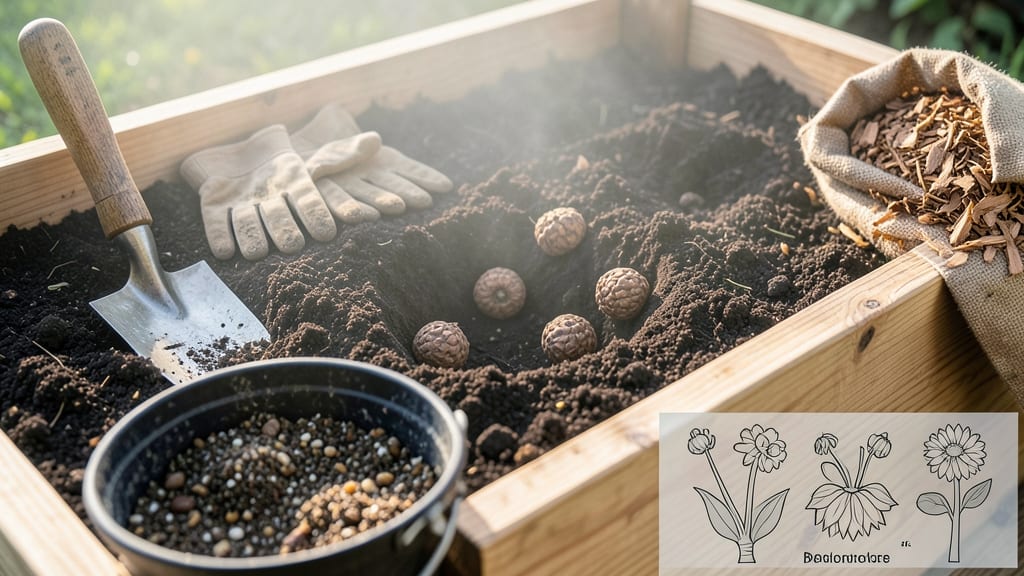
Timing your dahlia bulb planting in Wisconsin could mean the difference between a showstopping summer garden and a sad, frost-nipped disappointment.
With Zone 4b-5b frost dates that shift from mid-April in southern Wisconsin to late May in the north, getting it right requires more than just a guess—it takes local know-how.
Most gardeners wait until after the last frost, but soil temperature matters just as much. Dahlias 🌸 won’t thrive until the ground warms to at least 60°F, which often means holding off until early June in cooler northern areas.
That’s why checking your specific frost-free date—and adjusting for microclimates—isn’t just helpful, it’s essential.
In this guide, I’ll break down the exact planting windows for your zone, plus pro tips to prep your bulbs for Wisconsin’s short growing season. Whether you’re in Madison or Green Bay, you’ll learn how to time it perfectly so your dahlias burst into bloom by summer.
Ready to avoid the most common mistakes Wisconsin gardeners make? Let’s get your dahlias in the ground at the right time—so you can enjoy those vibrant blooms from July to October.
Wisconsin dahlia planting deadlines by Zone 4b vs 5b
Wisconsin’s Zone 4b (northern areas like Green Bay) and Zone 5b (southern areas like Madison) have different frost-free deadlines for planting dahlia bulbs. Missing these windows means risking frost damage or stunted growth. Here’s your precise timeline, tailored to Wisconsin’s 165-day growing season.
For Zone 5b, aim to plant dahlia bulbs between mid-April and early May, once soil temperatures reach 60°F consistently. In Zone 4b, wait until late May to early June—frost lingers longer here, so patience pays off.
Use your local last frost date as a guide, but don’t rush: cold soil slows root growth.
🌱 Pro Tip: Check soil temps with a soil thermometer—dahlias won’t thrive until the ground warms up. Wisconsin’s unpredictable springs make this step essential.
If you’re unsure about your zone, use the USDA Plant Hardiness Zone Map to pinpoint your exact location. Microclimates (like urban heat islands or sheltered gardens) can shift your planting window by 1-2 weeks.
For example, a south-facing garden in Zone 4b might be ready a week earlier than a north-facing one.
🌡️ Key Rule: Never plant dahlia bulbs when nighttime temps dip below 50°F. Cold soil and air will shock the tubers, leading to rot or slow growth. Use row covers if early planting is tempting—just remove them during the day to avoid overheating.
For container gardeners, extend your window by 2-3 weeks. Pots warm up faster than in-ground soil, so you can plant dahlia bulbs 3-4 weeks earlier in containers. Just ensure pots have drainage holes to prevent waterlogged roots—a common issue in Wisconsin’s rainy springs.
📅 Action Step: Mark your calendar for May 15th as the absolute last planting date in Zone 4b. Dahlias need 90 days to mature, so late plantings won’t bloom until fall—missing peak summer color. In Zone 5b, you have a 3-week buffer to play with.
🌿 Local Wisdom: Wisconsin gardeners swear by chitting bulbs indoors 4-6 weeks before planting. This head start gives dahlias a 2-week advantage over unchitted bulbs, critical for Zone 4b’s short season. Place bulbs near a south-facing window or under grow lights to encourage early sprouting.
Finally, track your local frost dates using resources like the National Weather Service or Old Farmer’s Almanac. Wisconsin’s frost dates vary yearly—last year’s May 10th frost in Zone 5b won’t repeat this year. Stay flexible and adjust your planting date accordingly.
How to prepare dahlia bulbs for Wisconsin’s short growing season
Wisconsin’s short growing season demands extra prep work to give your dahlia bulbs the best possible start. Chitting (pre-sprouting) is my top recommendation—it gives dahlias a 2-week head start over bulbs planted directly into cold soil.
Start this process 4-6 weeks before your target planting date, which means mid-April for Zone 5b and early May for Zone 4b.
To chit dahlia bulbs, place them in a cool, bright location (around 60-65°F) with the eyes (growth points) facing up. Use a tray with drainage holes filled with perlite or vermiculite to keep moisture even.
Avoid waterlogging—dahlias rot quickly in soggy conditions, a common issue in Wisconsin’s damp springs. Check moisture every 3-4 days and mist lightly if needed.
🌱 Pro Tip: Place chitting trays near a south-facing window or under grow lights for 12-14 hours of light daily. This mimics Wisconsin’s long summer days and encourages faster sprouting. Once sprouts reach 2-3 inches, they’re ready for hardening off—a critical step to prevent transplant shock.
- 1.
- 2.
- 3.
- 4.
- 5.
Wisconsin’s unpredictable spring weather makes hardening off essential. Start 7-10 days before planting by moving chitted bulbs outside during the day (when temps reach 50°F+) and bringing them back in at night.
This gradual transition prevents transplant shock, which can set dahlias back by 3-4 weeks—a luxury Zone 4b gardeners can’t afford.
🌡️ Soil Prep Secret: Dahlias thrive in well-draining, nutrient-rich soil with a pH of 6.5-7.0. Before planting, amend your garden beds with 2-3 inches of compost and mix in sand if your soil is clay-heavy (common in southern Wisconsin).
For container gardeners, use a 50/50 mix of potting soil and perlite to prevent waterlogged roots.
If you’re planting in containers, choose pots that are at least 12 inches deep—dahlias need room for their tuberous roots. Plant 2-3 bulbs per container to maximize space and create a fuller display.
Remember, containers warm up 2-3 weeks faster than in-ground soil, so you can plant them earlier in the season. Just ensure they’re placed in a sunny, sheltered spot to avoid wind damage.
💡 Wisconsin-Specific Hack: Use black plastic mulch to warm soil faster in cooler zones. Lay it down 2 weeks before planting to raise soil temps by 5-10°F. This trick is a game-changer for Zone 4b gardeners who need every degree to extend their growing season.
Plus, it suppresses weeds—always a bonus in Wisconsin’s fertile (but weedy) soil.
Finally, mulch heavily after planting to lock in moisture and regulate soil temperature. Use straw, shredded leaves, or wood chips—just avoid fresh grass clippings, which can mat down and suffocate roots.
In Wisconsin’s variable weather, mulch helps dahlias withstand both hot summers and cool nights, ensuring consistent blooms from July to October.