
Planting
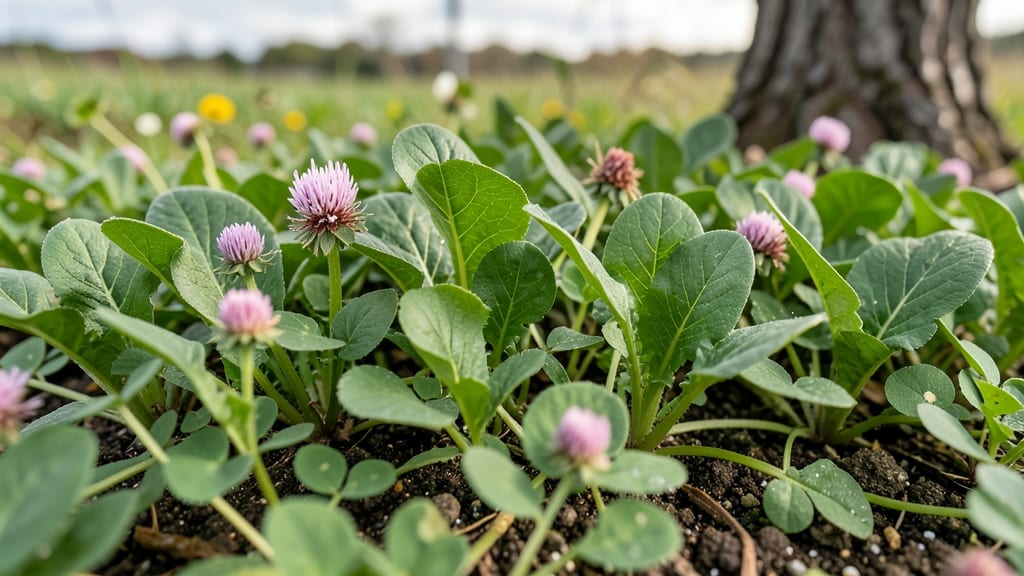
If you're planting a 🌾 deer food plot in Kentucky and want to see whitetails flocking to your property year-round, timing is everything.
The difference between a sparse plot and a lush, deer-magnet landscape often comes down to when you put those seeds in the ground—and Kentucky's 6a climate demands precision.
Most landowners assume spring planting is the only option, but late summer offers a secret window for fast-growing plots that deer love. I'll break down the exact months that work best for Kentucky's frost dates and soil conditions, so you can avoid common mistakes that waste time and money.
Whether you're planting clover for early summer browsing or winter wheat for late-season grazing, knowing the ideal planting schedule means more food for deer and less frustration for you. Let's dive into the exact months that will transform your property into a whitetail hotspot.
From soil prep to post-planting care, I'll share the step-by-step approach that's worked for Kentucky hunters for decades—plus how to adjust for your specific region. Ready to turn your food plots into a deer destination?
Best months to plant Kentucky deer food plots by season
Planting deer food plots in Kentucky at the right time ensures your whitetails have a reliable food source when they need it most. The ideal planting windows align with deer feeding patterns, soil temperatures, and Kentucky's USDA Zone 6a climate.
For best results, focus on early spring and late summer plantings, as these provide forage during critical deer seasons.
Spring planting (March-April) gives deer fresh growth during the rut and early winter, while late summer plantings (August-September) establish fall forage before winter arrives. Each season offers different crops that deer prefer, from clover and brassicas in spring to winter wheat and soybeans in fall.
Let's break down the exact months and crops for each planting window.
🌱 Kentucky Deer Food Plot Planting Guide by Season
| Season | Best Months | Top Crops | Deer Preference | Key Benefit |
|---|---|---|---|---|
| Spring | March-April | Clover, Brassicas (turnips, radishes), Soybeans | ⭐⭐⭐⭐⭐ | Early summer forage for fawns and does |
| Summer | August-September | Winter Wheat, Rye, Winter Peas | ⭐⭐⭐⭐ | Fall and winter nutrition before rut |
| Late Summer | Late August-Early September | Chicory, Winter Rye, Annual Ryegrass | ⭐⭐⭐⭐⭐ | Fast-growing fall forage for rut preparation |
| Fall | September-October | Crimson Clover, Winter Wheat, Triticale | ⭐⭐⭐⭐ | Late fall/winter food source |
For spring plantings, Kentucky's last frost typically occurs around March 15, making late March the safest time to plant warm-season crops like soybeans.
Cool-season crops like clover can go in as early as February in southern Kentucky, but wait until mid-March in northern regions to avoid frost damage. Always check your local USDA frost date maps for precise timing.
When planting in late summer (August-September), focus on crops that mature quickly, like annual ryegrass or winter peas. These provide immediate forage for deer preparing for the fall rut (October-November).
In Kentucky, aim to plant winter wheat by mid-September to ensure it establishes roots before the first frost (November 15).
One of my favorite strategies is to layer plantings—combine a spring crop like clover with a late summer planting of winter wheat. This creates a continuous food source from early summer through winter, keeping deer on your property longer.
For example, plant crimson clover in March and winter wheat in September of the same year for year-round forage.
Kentucky's variable rainfall patterns can also impact planting success. If you're in a drier region (western KY), prioritize drought-tolerant crops like chicory or brassicas, while wetter areas (eastern KY) can support more moisture-loving plants like rye or winter peas.
Always test your soil's drainage and pH (6.0-6.5) before planting to avoid poor establishment.
Pro tip: Use a planting calendar tailored to Kentucky's climate. The UK Extension Service offers free resources with frost dates and planting windows for your specific county. This ensures you're planting at the optimal soil temperature (50-60°F for most crops), which is critical for seed germination and root development.
Remember, deer food plots aren't just about planting—it's about timing the food source to match deer activity. A well-planned plot will have deer visiting during rut season, winter, and early spring, when natural food sources are scarce.
By following these seasonal guidelines, you'll create a year-round deer magnet that keeps your herd healthy and active on your property.
🌾
How Kentucky’s climate affects deer food plot success
Kentucky’s variable climate—from humid summers to freezing winters—plays a huge role in deer food plot success. The last frost date (around March 15 in most regions) and first frost date (mid-November) create a tight window for planting. Miss these, and your plots may struggle or fail entirely.
Southern Kentucky’s warmer microclimates allow for slightly later spring plantings, while northern regions demand earlier starts. Soil temperatures below 50°F can stall germination, so always check before planting. A soil thermometer is your best friend here!
Planting too early in cool, wet springs risks seed rot, while late starts in dry summers lead to stunted growth. Southern Kentucky’s longer growing season (200+ frost-free days) lets you push summer plantings into early September, but northern areas should stick to August.
Rainfall patterns also demand attention. Kentucky averages 45-50 inches annually, but droughts in late summer can stress young plots. Always plant drought-tolerant varieties like chicory or clover if your area faces dry spells. Mulching with straw helps retain moisture during critical germination stages.
Don’t overlook soil pH adjustments—Kentucky’s acidic soils (often pH 5.5-6.5) need lime for optimal deer forage growth. Test your soil 3 months before planting and amend as needed. Phosphorus-rich fertilizers (like 10-20-10) encourage deep root systems that survive winter better.
For year-round deer activity, stagger plantings: spring clover for summer browse, fall brassicas for winter grazing, and winter wheat for early spring. This rotation keeps food available when deer need it most—during rut season (October-November) and fawn-rearing months (May-July).
Use Kentucky’s USDA Zone 6a as a guide, but local weather stations are better. The UK Agricultural Weather Center provides real-time frost alerts—bookmark it before your next planting season. Even a 2-week delay can shift deer feeding patterns dramatically.
Pro tip: Plant warm-season crops (like soybeans) after May 15 when soil temps hit 60°F+. Cold-sensitive seeds won’t germinate otherwise, wasting your seed investment. Cool-season plots (clover, rye) thrive when nights stay above 40°F.