
Plants
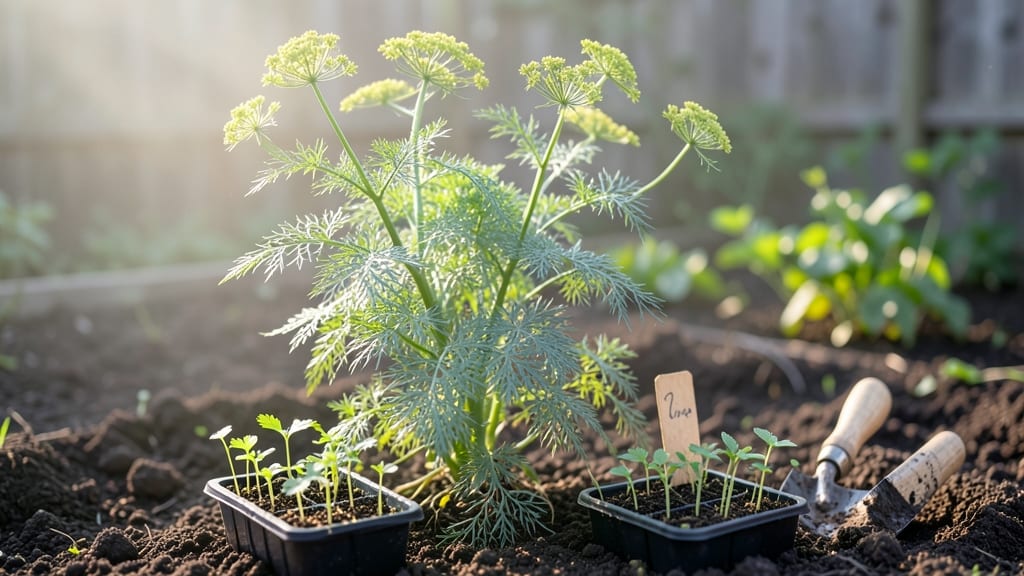
If you’re growing dill in Zone 9, when to plant dill in zone 9 can make all the difference between fragrant, tender leaves and bitter, bolted stalks. The wrong schedule—especially in Southern California’s heat—turns your herb garden into a flavorless experiment.
But here’s the secret: dill thrives in late winter to early spring, when temperatures stay mild enough to prevent bolting before harvest.
Most gardeners in Zone 9 (e.g., Southern California, Arizona, Nevada) miss the sweet spot because they assume dill is a low-maintenance herb. The truth? It’s sensitive to heat and day length, which is why fall plantings can also work—if you follow the right steps.
I’ll show you exactly when to start seeds or transplants for zero-bolt harvests, plus how to stretch your growing season for fresh dill year-round.
You’ll learn the ideal planting window (spoiler: it’s not just spring), how to prep soil for fast germination, and why spacing matters more than you think. Whether you’re a first-time gardener or a seasoned pro, these tips will help you avoid the #1 mistake that ruins dill in hot climates.
Let’s get your garden growing the right way.
Ready to skip the bitter disappointment? By the end, you’ll know not just when to plant dill in Zone 9, but how to keep it lush, flavorful, and ready for your favorite recipes—from tacos to pickles. No more wasted effort, just perfect harvests.
Best planting times for dill in Zone 9 to avoid bolting
In Zone 9, where winters are mild and summers scorching, timing your dill planting is the secret to avoiding bitter, bolted plants. Unlike cooler climates, dill here doesn’t need a cold snap to germinate—it thrives in warm soil but bolts when temperatures exceed 85°F.
The key? Plant when soil temps are 60-70°F but daytime highs stay below 80°F.
Most Zone 9 gardeners get their best harvests by planting dill in late winter to early spring (February–March) or fall (September–October). Spring plantings give you 60-75 days of sweet, leafy growth before summer heat triggers bolting.
Fall plantings, however, often produce sweeter, more flavorful leaves because cooler nights slow the bolting process.
Here’s the science-backed window for zero-bolt dill in Zone 9:
| Season | Ideal Planting Month | Soil Temp (°F) | Daytime High (°F) | Harvest Window |
|---|---|---|---|---|
| Spring | February–March | 60–70°F | 65–80°F | May–July |
| Fall | September–October | 65–75°F | 70–85°F | October–December |
To pinpoint your exact planting dates, check your local frost-free date (typically mid-January in Zone 9). Plant dill 4–6 weeks before the last frost for spring, and 8–10 weeks before the first frost in fall.
For example, in Los Angeles, aim for late February to early March in spring and mid-September in fall.
Pro tip: Use a soil thermometer to confirm temps. If your soil is below 60°F, wait a week or two—cold soil delays germination and can lead to leggy, weak plants. Conversely, if daytime temps hit 90°F+, your dill will bolt within 2–3 weeks, turning bitter and woody.
Zone 9’s long growing season means you can actually plant dill twice a year with zero risk of bolting. Spring plantings give you a summer harvest, while fall plantings provide winter-fresh dill for holiday dishes.
The trick? Succession planting every 2–3 weeks in spring to stagger harvests and avoid a single massive bolting event.
One common mistake in Zone 9 is planting dill in early spring (January–February) when nights are still chilly. While it may germinate, the cold slows growth, and the plant becomes stunted.
By the time temps warm, it’s already stressed and bolts faster. To prevent this, wait until March when daytime highs consistently stay above 70°F.
For container growers, timing is even more critical. Since pots heat up faster than garden beds, plant dill in containers in late March or early April and move them to partial shade (30–50% shade cloth) once temps exceed 85°F.
This simple adjustment can extend your harvest by 3–4 weeks compared to in-ground plantings.
Remember, dill is an annual in Zone 9, meaning it won’t regrow after bolting. But with the right timing, you can enjoy fresh, sweet dill for 6–8 months of the year—no bitter surprises included. Start with these science-backed windows, and you’ll be harvesting lush, flavorful leaves all season long.
How to extend your dill harvest year-round in Zone 9
Zone 9’s mild winters and hot summers might seem like a dill-growing challenge, but with the right strategies, you can enjoy fresh, sweet dill for nearly the entire year. The secret lies in succession planting, seasonal adjustments, and protecting your plants from extreme heat.
Unlike cooler climates, where dill bolts quickly in summer, Zone 9 gardeners can stretch harvests by leveraging fall and winter’s cooler temps while managing summer’s intensity.
For a continuous dill supply, start by planting your first batch in late February (spring) and follow with weekly succession plantings every 2–3 weeks until early May. This ensures you always have young, tender leaves ready for harvest before summer heat sets in.
In fall, repeat the process with plantings in September and October to enjoy dill through winter’s mild months.
- 🌱 Spring Strategy: Plant every 2–3 weeks from February to May for staggered harvests.
- ☀️ Summer Survival: Use 30–50% shade cloth when temps exceed 85°F to delay bolting.
- 🌿 Fall Extension: Plant in September–October for winter harvests; protect with row covers if nights dip below 50°F.
- ❄️ Winter Care: Mulch heavily to insulate roots; harvest lightly to avoid stressing plants.
Summer is the biggest challenge for Zone 9 dill growers, but a few simple tricks can save your harvest. When daytime temps creep above 85°F, your dill will bolt within 2 weeks if left unprotected. The fix?
Install shade cloth (30–50% coverage) to reduce soil and air temps by 10–15°F. This isn’t just about shade—it’s about extending your harvest window by 4–6 weeks. Pair shade cloth with deep watering in the morning to keep roots cool and prevent stress.
Container growers have an advantage in Zone 9 because pots heat up faster than garden beds. To maximize harvests, plant dill in 5-gallon containers filled with well-draining potting mix and move them to a shady patio or under a pergola by midday in summer. This mobility lets you chase the shade and avoid bolting entirely. Just
Fall is when dill truly shines in Zone 9. Unlike spring plantings, which rush to maturity in summer’s heat, fall-grown dill develops sweeter, more aromatic leaves thanks to cooler nights. To protect your fall harvest, use floating row covers if temperatures dip below 50°F at night. These lightweight fabrics act like a mini greenhouse, trapping heat and preventing frost damage. Remove covers during the day to allow pollination if you’re growing dill for seeds.
Even in winter, you can keep a small dill patch producing with minimal effort. Focus on mulching with straw or leaves to insulate roots, and avoid overwatering—dill needs less water in winter but still requires well-draining soil.
Harvest lightly in winter to encourage new growth, and you’ll have fresh dill for holiday dishes without the bitterness of summer-bolted plants.
By combining succession planting, shade protection, and seasonal adjustments, you can enjoy year-round dill harvests in Zone 9. Start with spring and fall plantings, use shade cloth in summer, and protect plants in winter.
With these techniques, your dill will stay tender, sweet, and abundant—no bitter surprises in sight!