
Plants
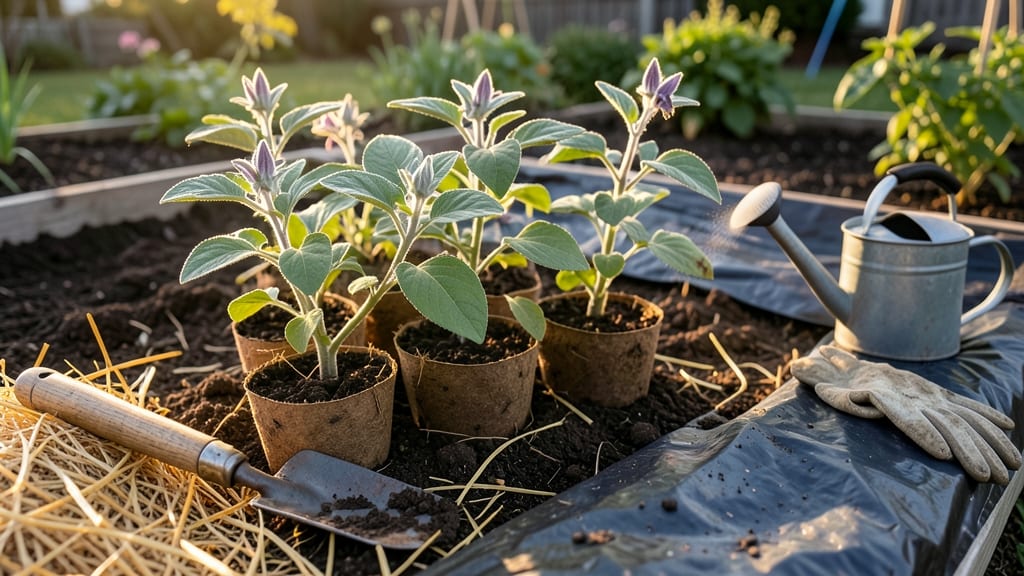
Timing your 🍆 eggplant planting in Louisiana isn’t just about avoiding frost—it’s about mastering the heat. With USDA zones 8a-9b and long summers, you’ve got two prime windows to grow these glossy-skinned gems, but one wrong move could mean wilted plants or missed harvests.
Most gardeners here focus on spring planting, but did you know fall crops can thrive too? The key is understanding your local frost dates and soil temperatures—because eggplants hate cold feet.
I’ll break down exactly when to plant for zero frost risk and how to stretch your growing season like a pro.
Whether you’re in New Orleans or Shreveport, your microclimate matters. We’ll cover the ideal 4-6 week window after last frost, plus a secret second chance for fall harvests. Skip the guesswork and get the schedule that actually works for Louisiana’s humidity and heat.
Ready to grow eggplants that outperform your neighbors’? Let’s dive into the heat-loving schedule that turns your garden into a purple paradise—without the trial and error.
Louisiana eggplant planting calendar: frost dates and heat zones explained
Louisiana’s USDA zones 8a-9b give eggplant growers a 240-day frost-free window, but timing your plantings correctly ensures you avoid late frosts in spring or early frosts in fall.
The key is aligning with your local last frost date—typically mid-February in southern Louisiana and late March in northern areas like Shreveport.
Eggplant thrives in heat zones 8-9, meaning it loves consistent temperatures above 70°F. Planting too early in cooler zones risks transplant shock or stunted growth, while late plantings may not mature before fall frosts hit in December.
My strategy? Two planting windows: spring (February-April) and fall (July-August) for a double harvest.
For spring plantings, aim to transplant 4-6 weeks after your last frost date. In New Orleans, that’s mid-March; in Shreveport, it’s early April. For fall harvests, start seeds in July so plants mature before December’s first frost.
This dual approach maximizes your eggplant yield while playing it safe against Louisiana’s unpredictable weather.
Here’s the critical planting calendar broken down by region:
| Region | Last Frost Date | Ideal Transplant Window | Fall Planting Window | Harvest Window |
|---|---|---|---|---|
| Southern LA (New Orleans) | Mid-February | Mid-March to April | July 15-August 15 | June-August & October-November |
| Central LA (Baton Rouge) | Late February | Late March to early April | July 1-August 10 | June-August & October-November |
| Northern LA (Shreveport) | Late March | Early to mid-April | July 10-August 5 | July-August & September-October |
Pro tip: Use heat-loving eggplant varieties like ‘Black Beauty’ or ‘Ichiban’, which thrive in Louisiana’s heat. For extended harvests, try ‘Rosa Bianca’, which handles humidity better than traditional purple types. Always check your local extension office for year-specific frost data, as Louisiana’s climate can shift yearly.
Another critical factor is soil temperature. Eggplant seeds won’t germinate well below 70°F. Use a soil thermometer to confirm readiness—this is especially important for direct sowing (which I don’t recommend in Louisiana due to humidity risks). For transplants, wait until nighttime temps stay above 55°F consistently.
If you’re in Zone 8a (northern LA), consider starting seeds indoors in late January under grow lights. Harden them off and transplant after your last frost. For Zone 9b (southern LA), you can direct-sow as early as mid-February if your soil is warm enough.
The key is adapting to your microclimate—even a few miles can change your frost risk significantly.
Don’t forget: Louisiana’s humidity and pests (like aphids and flea beetles) can stress young plants. I always mulch heavily with straw or pine needles to retain moisture and protect seedlings from extreme heat or sudden rain. This extra step pays off in healthier, more productive plants.
For fall plantings, focus on July-August to ensure harvests before December frosts. Choose fast-maturing varieties (like ‘Fairy Tale’) if you’re pushing the season.
And always monitor weather forecasts—a tropical storm in September can delay your harvest, so be prepared to protect plants with row covers if needed.
Finally, keep in mind that Louisiana’s hurricane season (June-November) can disrupt planting. If a storm is forecasted, prioritize fall plantings over spring ones, as they have more time to recover before harvest.
With the right timing and prep, you’ll enjoy homegrown eggplant from June through November—just in time for crawfish boils and summer BBQs! 🍆
Step-by-step eggplant planting guide for Louisiana’s humid climate
Now that you’ve mastered the timing, let’s dive into the step-by-step process for planting eggplant in Louisiana’s humid, heat-prone climate. The key here is preparing your soil and transplanting correctly to avoid common pitfalls like transplant shock or fungal diseases.
I’ve grown eggplant in Louisiana for years, and these steps will help you skip the trial-and-error phase.
First, choose a sunny spot with at least 6 hours of direct sunlight. Eggplant is a sun-worshipper, and partial shade will lead to smaller, less productive plants.
If your garden gets afternoon shade, opt for dwarf varieties like ‘Patio Baby’ to maximize your yield in limited sun.
Here’s my foolproof planting process tailored for Louisiana’s climate:
- 🌱 Prep Your Soil 2-3 Weeks Before Planting: Eggplant thrives in well-draining, fertile soil with a pH of 6.0-6.5. Test your soil and amend with compost or aged manure to improve drainage. Louisiana’s clay-heavy soils can suffocate roots, so mix in sand or perlite if needed.
- 🪴 Start Seeds Indoors (Optional): For northern Louisiana, start seeds indoors 8-10 weeks before last frost (late January) under grow lights. Use seedling trays with well-draining mix to prevent damping-off disease, a common issue in humid climates.
- 🌡️ Harden Off Seedlings: If starting indoors, acclimate seedlings to outdoor conditions over 7-10 days before transplanting. Begin with 2-3 hours of sunlight daily and gradually increase exposure. This step is critical to prevent transplant shock in Louisiana’s sweltering heat.
- ✂️ Transplant After Last Frost: Wait until soil temps reach 70°F and nighttime temps stay above 55°F. Dig holes twice as wide as the root ball to encourage root spread. Space plants 18-24 inches apart in rows 2-3 feet apart to allow for good airflow and pest control.
- 💧 Water Deeply After Planting: Give your eggplants a deep soak to settle the soil around roots. Water in the morning to reduce fungal risks from humidity. Avoid wetting the leaves to prevent disease spread. Mulch with straw or pine needles to retain moisture and regulate soil temperature.
- 🌿 Fertilize Lightly at Transplant: Use a balanced fertilizer (5-10-10) at half-strength to encourage root growth. Avoid high-nitrogen fertilizers, which promote leafy growth over fruit. Feed again 4-6 weeks later with a low-nitrogen, high-phosphorus fertilizer to boost flowering and fruiting.
- 🛡️ Protect from Pests Early: Louisiana’s humidity attracts aphids, flea beetles, and spider mites. Spray plants with neem oil or insecticidal soap preventatively. Use row covers for young plants if beetles are active, but remove them once flowers appear to allow pollination.
One critical tip for Louisiana gardeners: avoid overwatering. While eggplant needs consistent moisture, soggy soil leads to root rot and blossom-end rot. Water deeply every 2-3 days during hot spells, but reduce frequency in fall as temps drop.
Always water at the base of the plant to keep foliage dry.
For container growing, use pots at least 12 inches deep with drainage holes. Choose fast-maturing varieties like ‘Fairy Tale’ to compensate for limited root space. Place containers in full sun and water daily during heatwaves, as pots dry out faster than in-ground soil.
This method works well for urban gardeners or those with poor soil.
Finally, prune suckers regularly to direct energy toward fruit production rather than excessive foliage. Remove any yellowing leaves to improve air circulation and reduce disease risk.
With these steps, your eggplant will thrive in Louisiana’s humid heat and reward you with a bountiful harvest from June through November.
Remember: patience is key. Eggplant takes 75-90 days to mature, so don’t rush the process. If you follow this guide, you’ll avoid the common mistakes that plague Louisiana gardeners—and enjoy homegrown eggplant that rivals anything from the grocery store! 🌿