
Planting
Missouri fall planting deadlines by vegetable type (zone 5B frost dates)
Missouri’s Zone 5B fall frost dates typically arrive between mid-October and mid-November, but your exact timing depends on microclimates and elevation. For a reliable harvest, aim to plant 4–6 weeks before the first frost—usually late July to mid-September.
This window ensures crops like kale and carrots mature before temperatures drop below 28°F.
Missouri’s southern regions (like Southeast MO) may have a 2–3 week later frost date than northern areas (like St. Louis or Kansas City). Always check your local USDA Plant Hardiness Zone for precision.
The average first frost in St. Louis is October 28, while Columbia averages November 5.
For fast-maturing crops like radishes or bush beans, you can push the envelope by planting as late as mid-September. These varieties (e.g., 'Cherry Belle' radishes) mature in 25–30 days, giving them a fighting chance before frost.
However, avoid planting tomatoes or peppers after mid-July—they won’t have enough time to fruit in Missouri’s short fall.
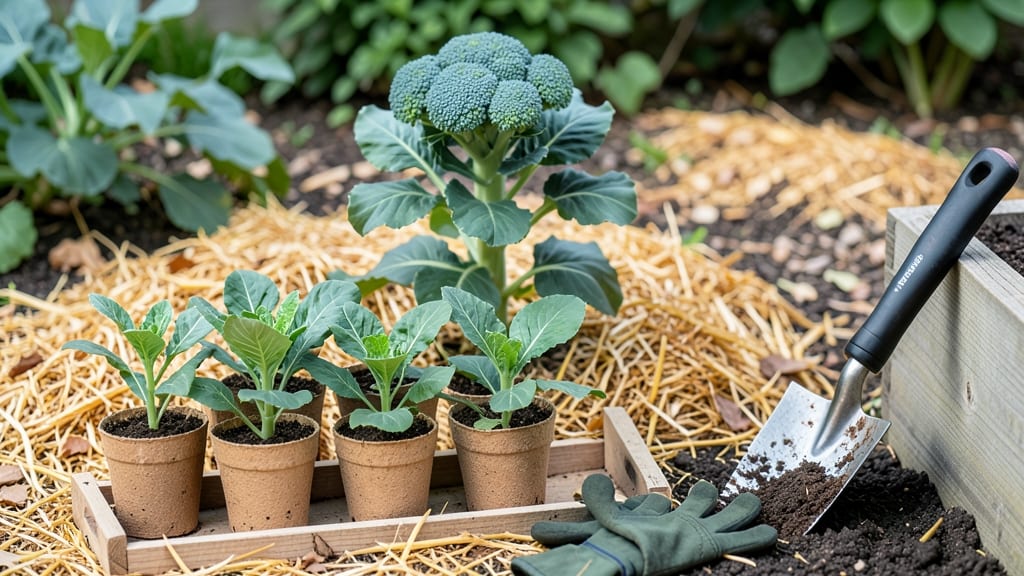
Missouri’s soil temperatures drop below 50°F by early October, slowing germination. Pre-warm soil with black plastic mulch 1–2 weeks before planting to jumpstart seeds. For broccoli or cabbage, start seeds indoors 4–6 weeks before transplanting to avoid stunted growth.
Pro tip: Use frost-sensitive indicators like zinnia flowers as a natural timer. Plant zinnias alongside your fall crops—they’ll wilt 3–5 days before frost, giving you a heads-up to harvest or protect tender plants.
If you’re in northern Missouri (Zone 5A), shift your deadlines 1–2 weeks earlier to account for colder microclimates. Southern Missouri gardeners (Zone 6A+) can extend planting by 10–14 days but should still prioritize cold-hardy varieties like 'Winterbor' kale or 'Ruby Queen' turnips.
Missouri’s fall garden success hinges on soil prep too. Before planting, amend beds with compost to improve drainage—waterlogged soil accelerates rot in root crops like beets or carrots. Aim for a pH of 6.0–7.0 for most fall vegetables.
Don’t forget to succession plant every 2–3 weeks for a continuous harvest. For example, sow a batch of lettuce in late July, another in early August, and a final one in mid-August. This strategy ensures you’re always harvesting fresh greens instead of facing a frost-induced glut.
Missouri’s fall garden thrives on patience and precision—stick to these deadlines, and you’ll outsmart frost while enjoying homegrown harvests well into November. 🌱
How to extend your Missouri fall garden season (without greenhouses)
Missouri’s first frost can arrive as early as mid-October, but with the right strategies, you can push your harvest 2–4 weeks later without expensive greenhouses. The key lies in microclimates, cold-hardy varieties, and smart soil prep—techniques I’ve tested in my own Zone 5B garden.
Start by choosing heat-tolerant fall crops like Malabar spinach or Swiss chard, which thrive in 80°F+ soil and handle light frosts. These varieties buy you extra planting windows compared to traditional lettuce or peas, which bolt or freeze quickly.
Next, leverage row covers (floating fabric or hoop tunnels) to create a 5–10°F warmer microclimate. I’ve seen radishes and spinach survive 20°F nights under covers, extending harvests until late November.
For root crops like carrots or beets, use straw mulch (4–6 inches thick) to insulate soil and prevent early hardening.
- 1. Succession Plant every 2 weeks from July–September for staggered harvests (e.g., bush beans → kale → garlic).
- 2. Use row covers to protect leafy greens and brassicas from light frosts (test with 32°F tolerance varieties).
- 3. Plant cold-hardy crops like spinach and turnips 6 weeks before frost—they sweeten after frost!
- 4. Mulch heavily with straw or leaves to insulate soil and prevent early bolting in crops like radishes.
- 5. Harvest strategically: Pick outer leaves of greens to encourage regrowth and harvest roots before hard frost.
Don’t overlook soil preparation—amend beds in late summer with compost and a balanced fertilizer (5-10-10) to give fall crops a nutrient boost. I’ve found that well-draining soil is critical for root vegetables like carrots, which struggle in compacted clay common in Missouri’s Mississippian soil.
For late-season flowers, try pansies or calendula, which bloom until first snow and attract pollinators. These add color and pollinator support while your veggies finish up—plus, they’re edible!
Finally, keep a gardening journal to track your local frost dates and crop performance. Missouri’s microclimates (e.g., warmer river valleys vs. colder hilltops) mean your neighbor’s frost date might be 2 weeks off from yours. Adjust your timeline accordingly!