
Plants
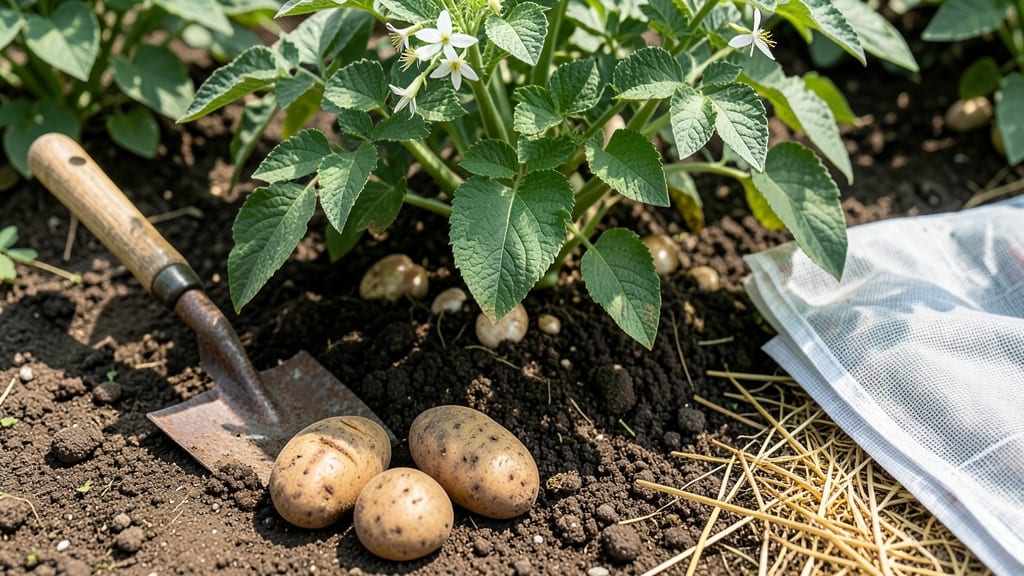
Virginia’s fall potato planting timeline: weeks before first frost by region
Virginia’s diverse climate means your fall potato planting window depends heavily on your specific region. Northern Virginia’s cooler microclimates (like Roanoke) demand earlier planting, while Southern Virginia’s warmer coastal zones (like Norfolk) allow later starts.
The golden rule? Plant 4–6 weeks before your average first frost date, with soil temperatures consistently above 50°F.
For most of Virginia, this translates to late August to early September. However, USDA zones 6a–7b create nuanced differences. Let’s break it down by region so you can pinpoint your exact planting window and avoid frost-related disasters.
Virginia’s Fall Potato Planting Zones
| Region | First Frost Date | Planting Window | Best Varieties | Days to Maturity |
|---|---|---|---|---|
| Northern VA (Roanoke, Blacksburg) | October 15–20 | Late August (4–5 weeks before frost) | Yukon Gold, Kennebec | 80–100 days |
| Central VA (Richmond, Charlottesville) | November 1–5 | Early September (5–6 weeks before frost) | Red Pontiac, Fingerling | 90–120 days |
| Southern VA (Norfolk, Hampton) | November 10–15 | Mid–late September (6 weeks before frost) | Adirondack Blue, Purple Viking | 100–130 days |
*Varieties with longer maturity windows (100+ days) are riskier in Northern VA but ideal for Southern VA’s extended growing season.
If you’re in Zone 6a (e.g., Shenandoah Valley), aim for late August planting with early-maturing varieties (70–90 days). In Zone 7b (e.g., Virginia Beach), you can push planting to mid-September and choose longer-season varieties like Purple Majesty.
Always check your local frost dates using the Virginia Cooperative Extension’s frost maps for precision.
Pro tip: Use black plastic mulch to extend your planting window by 1–2 weeks in cooler regions. This raises soil temperatures and delays frost damage to emerging tubers. Just remove it before harvest to avoid green skin (toxic solanine buildup).
For gardeners in transition zones (e.g., Piedmont’s foothills), blend strategies: start half your crop in late August and the other half in early September. This staggered approach ensures a continuous harvest and hedges against unpredictable weather.
Don’t overlook microclimates within your region. Urban areas like Richmond can experience heat islands, delaying frost by 5–7 days compared to rural areas. Conversely, elevated gardens (e.g., Blue Ridge Mountains) may frost 2 weeks earlier. Adjust your planting date accordingly.
To confirm your soil is ready, use a soil thermometer. Potatoes won’t sprout until soil reaches 50°F, and growth stalls below 45°F. If temperatures dip, cover seed potatoes with straw mulch to insulate them until conditions improve.
Finally, align your variety choice with your region’s frost window. Early varieties (e.g., Red Norland) mature in 70–90 days, perfect for Northern VA’s short season. Late varieties (e.g., Russian Banana) need 120+ days and are better suited for Southern VA’s milder falls.
With these regional guidelines, you’ll avoid the two biggest fall potato pitfalls: premature frost and overly long maturation. Next, we’ll dive into the 5 critical factors that can shift your planting window even further—beyond just frost dates. 🌱
Virginia’s fall potato planting timeline: weeks before first frost by region
Virginia’s climate varies dramatically from the mountains of Roanoke (USDA Zone 6a) to the coastal plains of Norfolk (Zone 7b), meaning your fall potato planting window should shift with your location.
The golden rule: plant 4–6 weeks before your average first frost, but adjust for soil temperature and variety maturity. Northern Virginia’s earlier frosts demand earlier planting, while Southern Virginia can wait until late August.
For Northern Virginia (e.g., Roanoke, Blacksburg), aim for late July to early August—your first frost typically hits around October 20–November 1. Central Virginia (Richmond, Charlottesville) has a slightly later window: early to mid-August (frost arrives November 1–15).
Southern Virginia (Norfolk, Virginia Beach) can plant until early September with frosts arriving November 15–December 1.
Soil temperature is just as critical as frost dates. Potatoes need consistent soil temps above 45°F to sprout and grow. In Virginia, soil cools rapidly in late September, so planting after mid-August in Northern zones risks stunted growth.
Use a soil thermometer to confirm your garden stays above 50°F at planting time.
| Region | First Frost Date | Optimal Planting Window | Soil Temp Threshold | Best Varieties |
|---|---|---|---|---|
| Northern VA (Roanoke, Blacksburg) | Oct 20–Nov 1 | Late July–Early August | 50–60°F | Yukon Gold, Red LaSoda (90-day) |
| Central VA (Richmond, Charlottesville) | Nov 1–15 | Early–Mid August | 50–60°F | Kennebec, Fingerling (100–120-day) |
| Southern VA (Norfolk, Virginia Beach) | Nov 15–Dec 1 | Early–Late August | 50–60°F | Adirondack Red, Purple Viking (110–130-day) |
🌱 Pro Tip: Check your local Virginia Cooperative Extension frost maps for yearly adjustments.
Choose short-day potato varieties for fall planting—they mature faster in Virginia’s shrinking daylight. Early varieties (60–90 days) like Red Norland work in Northern zones, while longer-season types (100+ days) like Russian Banana thrive in Southern Virginia’s milder autumns.
Always calculate days to maturity from your planting date to ensure tubers bulk up before frost.
Microclimates can shift your schedule by 1–2 weeks. Urban areas like Arlington stay warmer due to heat islands, while mountain valleys (e.g., Shenandoah) frost earlier. Observe your garden’s behavior: if nearby tomatoes ripen late, you likely have a longer growing season and can plant potatoes slightly later.
Mark your calendar for October 15–November 1 as your harvest window—this gives tubers time to cure in the soil before storage. In Zone 6a, harvest by October 31 to avoid frost damage; in Zone 7b, you may extend until mid-November.
Store harvested potatoes in a cool (40–50°F), dark, humid space to prevent sprouting.