Vegetables
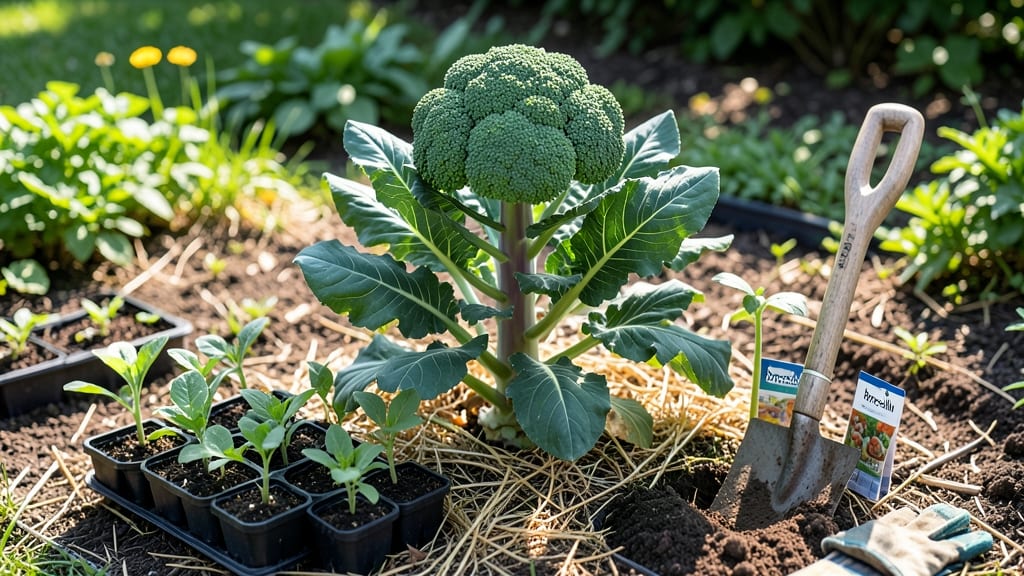
Timing your fall vegetable planting in Virginia could mean the difference between a garden bursting with kale and carrots or one that freezes before harvest. The state’s varied climate—from the cooler Shenandoah Valley to the milder Tidewater region—demands precision, not guesswork.
Most gardeners make the same mistake: planting too early when soil temperatures still hover around 50°F, only to watch their seedlings wilt in unexpected chilly snaps. But with the right schedule, you can stretch your growing season well into November, reaping rewards long after summer’s over.
I’ll break down the exact weeks to plant based on your specific Virginia microclimate, so you can avoid frost damage and maximize your harvest. Whether you’re in Zone 6b or 7b, these strategies will help you grow like a pro.
Ready to transform your garden into a fall feast? Let’s dive into the science-backed planting windows that actually work for Virginia’s unpredictable weather patterns.
Virginia’s fall planting zones: exact weeks to avoid frost risk by region
Virginia’s USDA Hardiness Zones 5b through 8a create dramatic differences in frost timing—up to 4 weeks between the Shenandoah Valley and Hampton Roads. Planting your fall vegetables at the wrong week can mean the difference between a bountiful harvest and a frost-killed crop.
Let’s break down the microclimate-specific windows for zero frost risk.
First, identify your local frost dates. The Virginia Cooperative Extension tracks averages: Zone 5b (Mountains) sees its last frost around April 15 and first frost October 20, while Zone 8a (Tidewater) averages March 1 and December 1.
Use these as your baseline but adjust for elevation and urban heat islands.
For cool-season crops like kale and spinach, aim to plant 6-8 weeks before your first frost date.
In Zone 7b (Central Virginia), that means mid-August to early September. Warm-season crops like bush beans and cucumbers need to be in the ground 90 days before frost, so late May to early June is your window.
Soil temperature is just as critical as air temperature. Most fall vegetables thrive when soil stays above 50°F (10°C). Use a soil thermometer to confirm readiness—cooler soils slow germination and can stunt growth.
In Zone 6a (Northern Virginia), wait until late August for leafy greens to avoid sluggish starts.
Here’s the golden rule: Plant broccoli, cabbage, and carrots in early August for a Zone 7b harvest before hard frost. For beets and turnips, push planting to mid-September—they handle light frosts and sweeten up in the cold.
Microclimates matter! Mountain valleys (like the Shenandoah Valley) cool faster than Coastal Plain areas. If you’re in Zone 6b, plant 2 weeks earlier than the average for your zone. Conversely, urban Richmond may stay warmer, allowing a 3-week extension for fall crops.
| Region | USDA Zone | Last Frost | First Frost | Ideal Planting Window | Key Crops |
|---|---|---|---|---|---|
| Northern VA (Mountains) | 5b-6a | April 15 | October 15 | Late July–Early Aug | Kale, Spinach, Carrots |
| Central VA (Piedmont) | 7a-7b | March 20 | November 1 | Early Aug–Mid Sept | Broccoli, Beets, Lettuce |
| Tidewater (Coastal Plain) | 8a | February 15 | December 15 | Mid-Aug–Late Sept | Collards, Radishes, Turnips |
| Shenandoah Valley | 6b | April 1 | October 30 | Late July–Early Sept | Brussels Sprouts, Cabbage |
Pro tip: Use succession planting to stagger harvests. For example, in Zone 7b, sow radishes every 2 weeks from mid-August to early October. This ensures a continuous supply before frost hits.
If you’re unsure about your exact microclimate, check the Virginia Master Gardener Program’s frost maps or use a frost calendar app. Local nurseries often provide region-specific advice—don’t hesitate to ask!
Remember: Frost dates shift yearly. Even if you planted successfully last year, unpredictable weather can throw off your timing. Always have a backup plan, like row covers, to protect late-season crops.
Top 5 fall vegetables for Virginia gardens (and their ideal planting strategies)
Fall gardens in Virginia thrive when you focus on cold-hardy crops that mature quickly before frost. My top 5 picks—kale, broccoli, carrots, beets, and spinach—are proven winners in Virginia’s USDA Zones 5b-8a.
These vegetables tolerate cooler temperatures and even light frosts, making them perfect for extending your harvest into winter.
Each of these plants has unique planting strategies to maximize success. For example, broccoli and kale need well-draining soil and transplanting after seedlings reach 4 inches tall, while carrots and beets thrive when direct-sown into loose, rocky-free soil.
Let’s break down the best methods for each to ensure a bountiful fall harvest.
🌱 Key Tip: Test your soil’s pH level (aim for 6.0-7.0) before planting. Virginia’s clay-heavy soils in Central Virginia benefit from compost amendments to improve drainage.
🌿 Top 5 Fall Vegetables for Virginia
- 1
- 2
- 3
- 4
- 5
For succession planting, sow baby carrots or spinach every 2-3 weeks until 8 weeks before first frost to ensure a continuous harvest. In Zone 7b (Central Virginia), this means planting until mid-September, while Zone 6b (Northern VA) allows until early September. Adjust for your microclimate!
One common mistake I see is planting warm-season crops too late (like tomatoes or peppers) in fall. Instead, focus on cool-season crops that mature quickly. For example, radishes take just 25-30 days to harvest—perfect for a late-September sowing!
Pro tip: Use mulch (straw or shredded leaves) to insulate soil and keep roots warm during daytime temperature swings in Virginia’s fall. This trick extends the growing season by 2-3 weeks in many regions.