
Plants
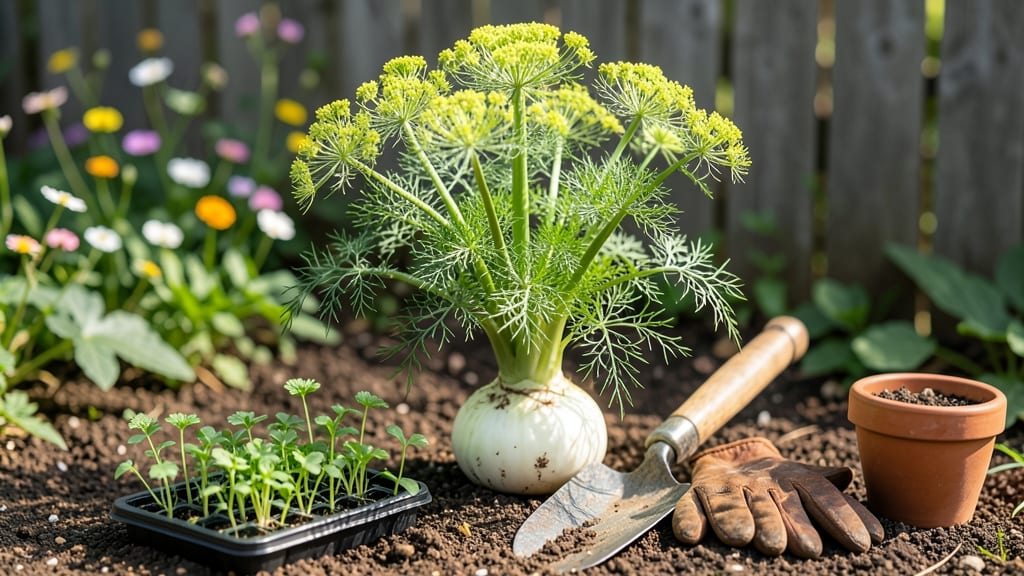
If you’ve ever wondered when to plant fennel in Zone 9, timing is the secret to avoiding bitter bolting and maximizing that sweet anise flavor.
Unlike heat-loving crops, fennel thrives in cooler months—think October through March—when days are shorter and temperatures stay mild, perfect for Zone 9’s Mediterranean climate.
Plant too early, and you risk bolting before harvest. Too late, and summer’s relentless heat stunts growth or turns your fennel bitter.
I’ve grown fennel 🌿 for years in 9b, and the difference between a lush harvest and a failed crop comes down to these exact months—and a few smart tricks to keep it happy.
Here’s what you need to know: the ideal window for sowing fennel seeds is 6–8 weeks before your last frost (typically by mid-October), with a second chance in early spring if you act fast.
We’ll also cover how to protect your plants from Zone 9’s summer heat and when to harvest for peak flavor.
Ready to grow fennel that’s bold, sweet, and ready to harvest from February through July? Let’s dive into the exact schedule—and the little details—that make all the difference in your garden.
Best planting months for fennel in Zone 9: avoid bolting and heat stress
Zone 9’s Mediterranean climate means fennel thrives in cooler months when temperatures stay between 50°F and 75°F. Planting outside this range risks premature bolting (flowering) or heat stress. My best advice? Start seeds indoors in late August for fall transplants, or direct-sow outdoors from October through March.
Fennel’s ideal soil temperature for germination is 60°F–70°F. In Zone 9, this aligns perfectly with fall and winter months, when coastal areas stay milder than inland zones.
For example, San Diego (Zone 9b) can plant as late as December, while Phoenix (Zone 9a) should finish by November.
Here’s the exact planting schedule to maximize your harvest:
- October–November: Best window for direct sowing or transplanting
- December–January: Safe for coastal Zone 9; inland areas may need row covers
- February–March: Last chance before summer heat arrives
| Season | Planting Window | Soil Temp (°F) | Key Notes |
|---|---|---|---|
| Fall | October–November | 60–70°F | Peak germination; avoid bolting |
| Winter | December–February | 55–65°F | Coastal areas only; protect from frost |
| Spring | March (early) | 60–75°F | Risk of bolting; use shade cloth |
For bulb fennel varieties (like ‘Florence’), aim to plant 6–8 weeks before your average last frost (typically mid-January in Zone 9). This gives roots time to swell before summer heat sets in. Frond fennel (e.g., ‘Bronze’) is more forgiving—plant it 2–3 weeks later for continuous leaf harvests.
Pro tip: Use a soil thermometer to confirm temps. If soil stays above 75°F for more than a week, fennel will bolt. In my Zone 9b garden, I’ve had success using black plastic mulch in spring to keep roots cool and extend the season by 2–3 weeks.
Microclimates matter! Coastal Zone 9 (e.g., Los Angeles) can plant fennel year-round with shade, while inland areas (e.g., Riverside) should stick to fall and winter. Always check your local frost dates—even Zone 9 gets chilly nights.
Harvest timing is just as critical. Bulb fennel should be ready in 90–120 days, while frond fennel can be harvested 60–80 days after planting. If you miss the window, save seeds for next year—fennel self-seeds easily in mild climates.
Remember: Fennel hates heat. Once temperatures hit 85°F+, growth slows dramatically. That’s why my late-March plantings often yield smaller bulbs. For bigger harvests, fall is king—just like my neighbor’s award-winning fennel crop! 🌿
Best planting months for fennel in Zone 9: avoid bolting and heat stress
Zone 9’s Mediterranean climate creates a narrow window for planting fennel—too early and it bolts, too late and heat stress stunts growth. My ideal planting months are October through March, when soil temps stay below 70°F and days are cooler.
This schedule aligns with fennel’s cool-season preferences while avoiding summer’s intense heat.
For coastal Zone 9 (e.g., Southern California), plant September–March—cooler ocean breezes extend the window. Inland areas (e.g., Phoenix) should stick to October–February to escape desert heat. Bulb fennel (like ‘Florence’) needs 90–120 days to mature, while frond fennel (like ‘Bronze’) tolerates slightly warmer soils.
| Stage | Action | Notes |
|---|---|---|
| Early Fall (Sept–Oct) | Direct sow seeds | Soil temp: 60–70°F; coastal areas only |
| Late Fall (Nov–Dec) | Sow seeds or transplant starts | Best for bulb fennel; avoid frost |
| Winter (Jan–Feb) | Transplant seedlings | Ideal for frond types; partial shade helps |
| Spring (March–April) | Succession sow for late harvests | Risk of bolting; use shade cloth |
Soil temperature is your best indicator—fennel seeds won’t germinate well above 75°F. I test soil with a thermometer and delay planting if temps rise. For inland Zone 9, aim for October 15–November 15; coastal gardeners can start as early as September 1.
If you miss the fall window, spring planting is possible but risky. Start seeds indoors in February and transplant in March, using 30% shade cloth to prevent bolting. Succession planting every 2–3 weeks ensures a staggered harvest through May or June.
Pro tip: Mulch heavily with straw to keep soil cool and moist. I’ve seen fennel bolt in Zone 9 heat even when planted at the “right” time—mulch buys you 2–3 extra weeks of stable growth. Pair with dill or cilantro to share shade and moisture.
Remember, bolting (premature flowering) is your biggest enemy. Fennel bolts when days get long (14+ hours of light) or soil overheats. By planting in fall/winter and using shade, you’ll avoid this common pitfall and enjoy bold, anise-scented harvests all season. 🌿