
Plants
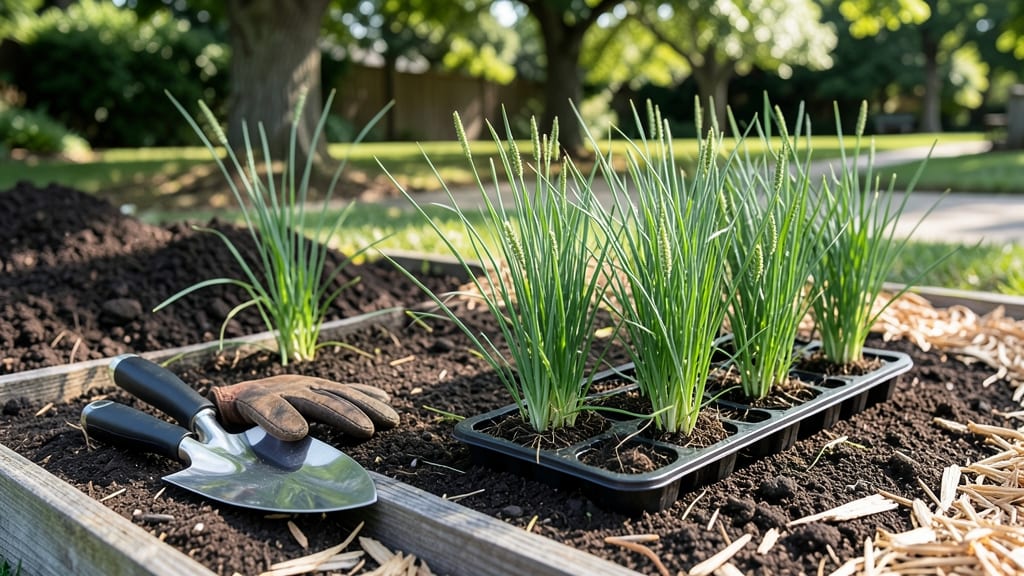
Planting fescue in North Texas at the wrong time means battling summer heat or winter frosts that can leave your lawn struggling to establish roots. The key to a thick, resilient yard lies in that narrow window between late summer and early fall when temperatures are just right.
If you've ever watched your grass turn brown from the heat or fail to take hold in cooler months, you know timing matters. North Texas' 8a climate demands precision—plant too early, and the summer sun will stress your 🌱 fescue before it gets a chance to grow.
Too late, and winter frosts may stunt its development before it can fully root.
This guide will walk you through the exact months to plant for success, how to prepare your soil, and what to watch for as your grass establishes. With the right approach, you'll have a lawn that thrives year after year, not one that fights for survival.
Let’s dive into the best practices so you can plant with confidence and enjoy a lush, green yard that stands up to North Texas’ challenges.
Optimal planting window for fescue in North Texas: months and temperature guidelines
North Texas’ USDA Zone 8a climate creates a narrow but perfect window for fescue planting—typically late summer to early fall. This aligns with cooler soil temperatures (60-75°F) that prevent seed stress while avoiding winter frost risks that can damage young roots.
The ideal planting months are September and October, with August being a secondary option for early varieties.
Why this timing? Summer heat (June-August) stresses fescue seeds, while late fall (November-December) leaves too little time for root establishment before winter dormancy. Dallas, Fort Worth, and Lubbock may vary slightly due to microclimates, but this window works universally for tall fescue and fine fescue blends.
Here’s the critical temperature rule: Plant when soil temps drop below 75°F but stay above 60°F. Use a soil thermometer to confirm—this is your green light to sow.
In North Texas, this usually happens by mid-September, but early frosts (especially in Lubbock’s higher elevations) can push the deadline to early October.
Pro tip: Seed depth matters. Plant fescue seeds ¼ inch deep in moist, well-prepared soil. Deeper planting risks seed rot, while shallower planting leaves seeds vulnerable to drying out or bird predation. A light mulch (straw or compost) helps retain moisture without smothering sprouts.
| Planting Stage | Ideal Timeframe | Key Conditions | North Texas Notes |
|---|---|---|---|
| Soil Prep | 4-6 weeks before planting | pH 6.0-7.0, loose topsoil | Test soil in August; amend with lime if needed. |
| Seed Sowing | Late August–October | Soil temp: 60-75°F | Avoid Lubbock’s dry heat—water deeply post-planting. |
| Germination | 7-21 days | Consistent moisture | Dallas/Fort Worth: Germinates faster with morning watering. |
| Establishment | 6-8 weeks | No foot traffic | Protect from winter frosts with light mulch. |
| First Frost | Mid-November | Soil temp: Below 50°F | Plant by October 15 to avoid frost damage. |
Regional variations matter! Dallas and Fort Worth (Zone 8a) have warmer microclimates, allowing late October planting, while Lubbock and Amarillo (Zone 7b) should finish by mid-October to avoid early frosts.
Check your local frost date—aim to plant 4-6 weeks before the first expected frost for optimal root growth.
Watch for false starts: A cool snap in September might trick you into planting too early. Wait until nighttime temps stay above 55°F consistently. Use a weather app to track 7-day forecasts—this helps avoid seedling shock from sudden cold snaps.
Overseeding existing lawns? Late September is ideal. Rake the top ¼ inch of sod to expose soil, then sow seeds. Water lightly twice daily until germination (7-14 days).
For new lawns, till the soil to 6 inches deep and add compost to improve drainage—critical for clay-heavy North Texas soils.
Remember: Patience pays off. Fescue planted in optimal timing develops deep roots (3-4 inches) by winter, making it drought-resistant and frost-tolerant. Skip the summer rush—your lawn will thank you next spring! 🌱
Optimal planting window for fescue in North Texas: months and temperature guidelines
North Texas’ hot summers and cool winters create a tight window for planting cool-season fescue. The ideal planting time is late August through early October, when soil temperatures drop below 80°F and before the first frost (mid-November). This timing lets fescue establish roots before winter dormancy.
For Dallas-Fort Worth, aim for September 1-15—soil temps hover around 70-75°F, perfect for germination. In Lubbock or Amarillo, push slightly later (mid-September) due to drier conditions and faster cooling. Always check USDA Zone 8a frost dates for your exact location.
🌱 North Texas Fescue Planting Timeline
| Month | Soil Temp (°F) | Action | Notes |
|---|---|---|---|
| August | 75-85°F | Soil prep | Test pH (6.0-7.0) |
| September | 70-75°F | Plant seed | Avoid midday heat |
| October | 60-70°F | Root establishment | Water deeply 2x/week |
| November | 50-60°F | Winter dormancy | Reduce watering |
Planting after October 15th risks frost damage before roots establish. Conversely, July-August planting exposes seeds to heat stress (>85°F), slowing germination. Use a seed starter if planting early—cover seeds with lightweight straw to retain moisture and shield from afternoon sun.
North Texas’ clay-heavy soils retain heat longer. If your yard feels too hot to touch in late August, wait until early September—soil temps will drop 5-10°F overnight, signaling safer planting conditions. Monitor your local NOAA weather station for real-time updates.
For overseeding existing lawns, the window shrinks to mid-September to early October. This ensures new seeds outcompete warm-season weeds like Bermuda grass before winter. Mow existing grass short (1.5") 2-3 days pre-planting to expose soil for better seed-to-soil contact.
Pro tip: Plant tall fescue blends (e.g., Tifway) in shadier areas (4-6 hours sun) and fine fescue in full sun zones. Both thrive in North Texas’ USDA Zone 8a, but fine fescue handles drought better once established.