Plants
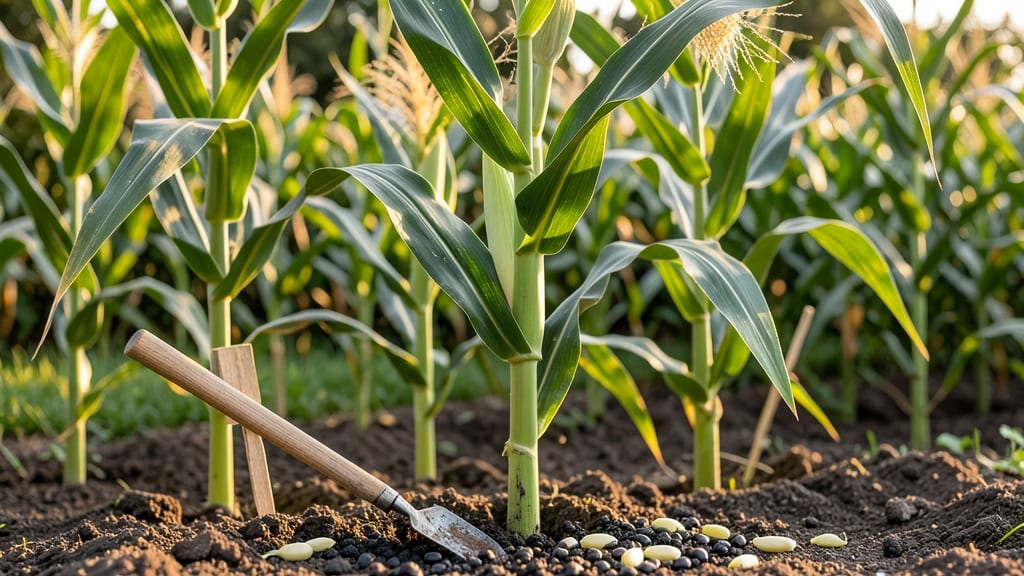
Planting field corn at the wrong time in North Carolina could mean the difference between a thriving crop and wasted effort—especially when soil temperatures and frost risks play such a critical role.
With USDA zones ranging from 6b to 8a, timing your 🌽 planting isn’t just about the calendar; it’s about matching your variety to your region’s unique climate patterns.
I’ve spent years growing field corn across NC’s diverse landscapes, and what I’ve learned is that soil temperature is the single most important factor. Too cold, and your seeds won’t germinate; too late, and you risk stunted growth or even crop failure before harvest.
The key is planting when the ground reaches 50°F or warmer, but the exact window depends on whether you’re in the Piedmont, Coastal Plain, or Mountains.
In this guide, I’ll break down the exact weeks to plant field corn in NC based on soil temperature, regional microclimates, and frost risks—so you can avoid common mistakes and maximize your yield.
Whether you’re a beginner or a seasoned grower, these insights will help you plan for success from seed to harvest.
You’ll also discover how to adjust planting dates for early, mid, and late-season varieties, plus tips for companion planting and pest management tailored to NC’s growing conditions. Let’s get your field corn off to the best possible start!
Optimal field corn planting weeks in NC based on soil temperature
North Carolina's diverse climate means soil temperature—not just calendar dates—determines when to plant field corn for maximum yield. Corn thrives when soil reaches 50°F or warmer, but the sweet spot for germination is 60°F or above.
In NC, this typically aligns with April to early June, depending on your region. Warmer soils in the Coastal Plain may allow earlier planting, while Mountain regions often wait until late April or May.
For peak germination and disease resistance, aim to plant when soil temperatures consistently stay at 60°F or higher for at least 10-14 days. This usually translates to mid-April in the Piedmont and late April to early May in the Mountains.
Using a soil thermometer (just $15 at garden centers) is my go-to trick for pinpointing the perfect moment—no more guessing games!
Here’s the golden rule: Plant too early when soils are cold, and you’ll face slow germination and rot-prone seedlings. Plant too late, and your corn may mature just as fall frosts arrive, leaving you with underdeveloped ears.
Balance is key, and NC’s microclimates add another layer of complexity we’ll tackle next.
If you’re planting in southern NC (think Wilmington or Fayetteville), you might even squeeze in a late summer crop for fall harvest. Just be prepared to water aggressively during NC’s humid summers, as corn needs 1–2 inches of water per week to thrive.
Pro tip: Use drip irrigation to keep foliage dry and reduce fungal risks like corn smut.
For Mountain gardeners, consider row covers or black plastic mulch to warm soil faster. I’ve seen 3–4 week earlier planting in raised beds with mulch—game-changer for short seasons!
Test your soil’s pH (6.0–6.8 ideal) and add compost or aged manure before planting. Corn is a heavy feeder, and hungry plants mean smaller ears.
One mistake I see often? Planting by moon phases instead of soil temp. While lunar planting has its fans, corn cares more about warmth than the moon.
Stick to the soil thermometer rule, and you’ll avoid the heartbreak of slow-starting seedlings that never catch up. Trust me, your future corn crib will thank you!
For succession planting, sow new rows every 2 weeks until mid-June. This stretches your harvest window and ensures you’re not overwhelmed with all ears maturing at once.
Just remember: late plantings need fast-maturing varieties (like 'Early Sunglow') to avoid frost damage. More on that in our next section!
Lastly, keep an eye on NC’s unpredictable weather. A late frost in April can wipe out tender seedlings, while unseasonable heat in May might stress plants. My fail-proof backup plan? Plant a test row 2 weeks early—if it survives, you’ve got the green light for the rest!
Ready to dive deeper? Let’s tackle NC’s microclimates and how to adjust your planting dates like a pro—because one size doesn’t fit all when it comes to Tar Heel corn country. 🌽
How to adjust planting dates for NC’s microclimates and frost risks
North Carolina’s diverse climate—from the Coastal Plain to the Mountains—means planting dates vary dramatically. In the Coastal Plain, where springs arrive earlier, you can start field corn as early as mid-March if soil temps stay above 50°F.
Meanwhile, Mountain regions like Asheville often wait until mid-to-late May to avoid late frosts that can devastate young plants.
Your last frost date is your best guide. Check the NC State Climate Office for your county’s average last frost date, then add 2-3 weeks for safety.
For example, Raleigh’s average last frost is April 15, but I plant my early varieties by April 1 to account for unpredictable weather.
🌱Pro Tip: Use frost cloth if planting early in cooler zones like the Piedmont. A light cover can protect seedlings until soil warms to 60°F.
⚠️ Late Frost Warning
Never plant before soil reaches 50°F—corn seeds rot in cold, wet soil. If a hard freeze (below 28°F) is forecast, cover plants with row fabric or mulch heavily.
For late-season varieties, extend your growing season with black plastic mulch or low tunnels. I’ve successfully grown 120-day varieties in the Coastal Plain by planting in early June—the heat helps them mature before the first frost in November.
🌿Regional Adjustments: In the Mountains, aim for June 15-July 1 planting to avoid early autumn frosts. Coastal areas can push to July 15 for second crops, but yields may drop in summer’s heat.
Use a soil thermometer to confirm readiness—corn roots struggle in soil below 55°F. If temps dip, delay planting or opt for cold-tolerant varieties like Pioneer Brand 39G31, which handles cooler soils better than standard types.
🌡️Key Takeaway: Match your planting date to your microclimate, not just your county’s average. A 5-degree difference in soil temp can delay germination by 1-2 weeks.