
Plants
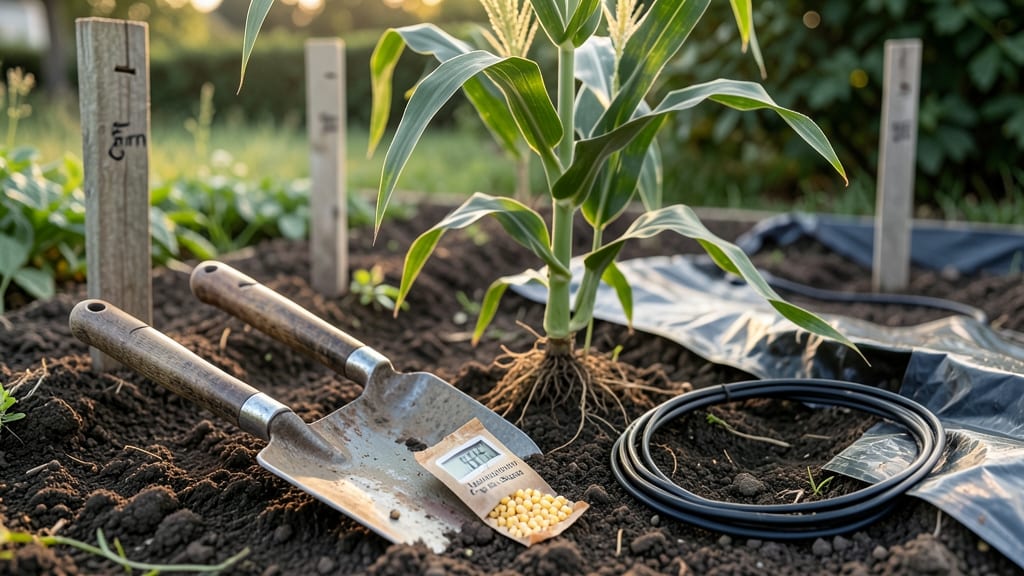
If you've ever stared at your garden calendar wondering "when to plant corn in Portland, Oregon", you're not alone—this city's cool, damp springs can turn corn planting into a guessing game.
The difference between sweet, plump ears and stunted stalks often comes down to timing, and Portland's unique 8a climate demands extra attention.
Most gardeners in warmer zones plant corn in early spring, but in Portland, waiting until after the last frost (mid-April) is just the beginning.
The real secret lies in soil temperature—corn needs warm ground (60°F+) to germinate properly, which typically means holding off until late April or even early May. That extra patience pays off with stronger plants ready to battle Portland's infamous summer humidity.
I've learned the hard way that rushing corn into cold soil leads to slow starts and poor yields. What works here isn't just about dates—it's about reading your microclimate.
Coastal neighborhoods might need to wait a week longer than inland areas, and elevation changes can shift your ideal window by days. Let me show you exactly how to time your planting for maximum success in Portland's unpredictable growing season.
From choosing the right varieties to protecting young plants from late frosts, we'll cover all the adjustments that make corn thrive in Portland.
Whether you're a first-time gardener or a veteran looking to boost your harvest, these insights will help you grow corn that's worth bragging about—right up through September.
Optimal corn planting dates in Portland Oregon’s USDA Zone 8b/9a
Portland’s cool coastal climate and unpredictable spring weather demand precise timing for corn planting. Unlike warmer regions, corn needs soil temperatures above 60°F (15°C) and frost-free conditions to thrive.
In Portland’s USDA Zone 8b/9a, this typically means waiting until late April to mid-May, after the average last frost date (April 15). However, soil warming often lags behind air temperatures, so don’t rush—patience prevents stunted growth.
Corn is a warm-season crop that bolts or struggles when planted too early. If you start seeds indoors, transplant seedlings after Memorial Day (late May) to avoid cold snaps. For direct sowing, wait until soil reaches 60°F—use a soil thermometer to confirm.
In Portland’s cooler microclimates (e.g., near the Willamette River), delay planting by 1-2 weeks compared to inland areas like Hillsboro.
| Stage | Action | Notes for Portland |
|---|---|---|
| Soil Prep | Test soil pH (6.0–7.0), amend with compost | Portland’s soil is often acidic—lime may be needed |
| Planting Window | Late April–mid-May (after last frost) | Wait for soil ≥60°F; use black plastic mulch to warm soil |
| Germination | 7–14 days at 70°F+ | Cooler soil delays germination—extend window to June for late varieties |
| Harvest Ready | July–September (60–100 days post-planting) | Short-season varieties mature faster in Portland’s climate |
For successful corn growth, align your planting with Portland’s 165 frost-free days. Early varieties (e.g., ‘Early Sunglow’) planted in late April may yield by early August, while late varieties (e.g., ‘Silver Queen’) need a June planting to mature before frost.
Succession planting every 2 weeks extends harvests through September, but avoid planting after July 1—ear development slows in cooler fall air.
Portland’s coastal fog and slow soil warming can push planting dates later than inland areas. If your garden is shady or near water, consider container growing with black pots to absorb heat.
Alternatively, use row covers to accelerate soil warming by 2–3 weeks. Always monitor weekly frost forecasts—a late frost in May can devastate young seedlings.
Pro tip: Plant corn in blocks (not rows) to ensure cross-pollination. In Portland, this means 3–4 rows planted simultaneously for optimal yields. If space is limited, choose bush varieties like ‘Bodacious’, which grow 5–6 feet tall instead of 10 feet.
These adapt better to urban gardens and windy conditions common in Portland.
Extend your corn season by planting near heat-retaining structures, like south-facing fences or brick walls. These microclimates can add 1–2 weeks of warmth to your growing window. For example, a garden in Southeast Portland (warmer microclimate) might plant 2 weeks earlier than one in North Portland.
Always adjust based on your specific location’s frost history—check Oregon State University’s frost maps for local data.
If you’re starting corn indoors, begin seeds 4–6 weeks before transplanting (early April). Use biodegradable pots to avoid root disturbance. Harden off seedlings for 7–10 days before transplanting after May 20.
Seedlings need full sun (6+ hours/day), so place them in the sunniest spot of your garden—Portland’s limited sunlight in spring can stunt growth if conditions aren’t ideal.
Remember: Corn is sensitive to transplant shock. Direct sowing is ideal, but if transplanting, do so on a cloudy day to reduce stress. Water deeply before and after transplanting to help roots establish. In Portland’s damp climate, avoid overwatering—consistent moisture (1–2 inches/week) is key, not soggy soil.
For reliable harvests, plan for two planting batches: one in late April (early varieties) and another in early June (late varieties). This strategy maximizes yield despite Portland’s short growing season.
Store extra seeds in a cool, dry place for next year—corn seeds lose viability after 1–2 years, so label seed packets with planting dates.
Coastal climate adjustments for corn success in Portland gardens
Portland’s cool coastal climate and unpredictable spring weather demand special adjustments for growing corn. Unlike warmer regions, corn needs soil temperatures above 60°F to germinate properly, which often doesn’t happen until late April or May.
The city’s high humidity and frequent fog can also slow growth, making early planting risky.
To compensate, I’ve found that soil warming techniques and protective planting methods are essential. For example, using black plastic mulch can raise soil temperatures by 5-10°F, creating a microclimate that mimics warmer growing conditions.
This simple trick has helped me extend my planting window by 2-3 weeks in past seasons.
Another key adjustment is choosing the right varieties. In Portland’s shorter growing season (about 165 frost-free days), standard corn varieties often struggle to mature. Instead, I recommend short-season hybrids like ‘Early Sunglow’ or ‘Silver Queen,’ which can reach harvest in 70-80 days—well within Portland’s timeline.
🌱
One of my biggest lessons came from planting too early last year. Despite Portland’s average last frost date of April 15, a late cold snap in early May killed my 3-week-old seedlings.
Since then, I’ve adopted a soil thermometer to track temperatures—waiting until the soil hits 60°F consistently before planting.
For frost protection, I’ve had success using row covers or even old bedsheets draped over young plants during unexpected cold snaps. These simple barriers can raise temperatures by 5-10°F, giving delicate seedlings a fighting chance.
In my experience, this extra layer of protection is worth the effort during Portland’s unpredictable spring weather.
Finally, don’t underestimate the power of proper spacing. Corn needs 12-18 inches between plants and 2-3 feet between rows to ensure good airflow and reduce disease risk.
In tight spaces, I’ve seen cases of corn smut and leaf blight spread rapidly due to poor ventilation—so give your plants room to thrive!
☀️