Trees
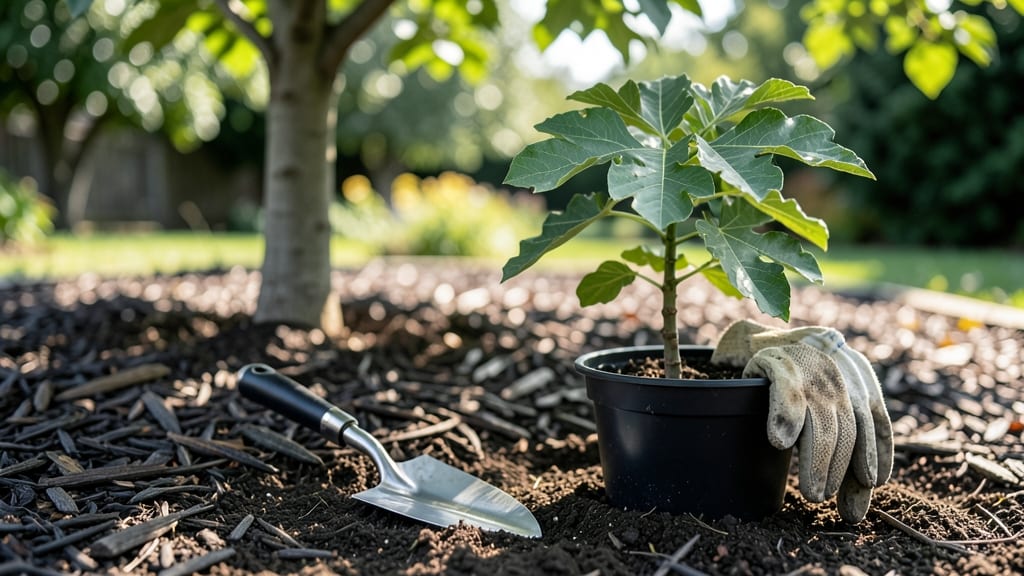
Timing your fig tree planting in NC can make or break your harvest—get it wrong, and you risk stunted growth or even winter damage. North Carolina’s Zone 7b-8b climate offers two prime windows: early spring (March-April) after the last frost or fall (September-October) before winter sets in.
But here’s the catch: not all fig varieties handle NC’s chill hours the same way. Cold-hardy types like ‘Celeste’ or ‘Chicago Hardy’ can survive 500+ chill hours, while tropical varieties need protection.
I’ll break down the exact months to plant based on your microclimate—whether you’re in the Coastal Plain or the Mountains.
You’ll also discover how to prep your soil, choose the right planting method (bare-root vs. container), and protect young trees from late frosts. By the end, you’ll know exactly when to plant for maximum fruit production—no guesswork, just results.
Ready to grow a thriving 🍈 fig tree that bears fruit year after year? Let’s dive into the science-backed timing that works for NC’s unique growing conditions.
Best planting times for fig trees in NC by variety type
North Carolina’s Zone 7b-8a climate offers two prime windows for planting fig trees: spring and fall. But not all fig varieties thrive equally—cold-hardy types like Chicago Hardy or Celeste can handle NC’s winters, while tropical varieties like Brown Turkey need extra protection.
Spring planting (after last frost) gives roots time to establish before summer heat, while fall planting (6-8 weeks before first frost) lets trees harden off for winter.
For spring planting, aim for March-April in most of NC, but adjust for microclimates—mountain regions (Zone 7b) may wait until late April, while coastal areas (Zone 8a) can start as early as February. Bare-root figs plant best in early spring, while container-grown trees can go into the ground slightly later, even into May.
Fall planting, ideal for September-October, gives roots time to anchor before winter dormancy.
🌱 Pro Tip: If you’re in a transitional zone (like the Piedmont), monitor local frost dates—late spring frosts can kill young figs. Use frost cloth or plant near a south-facing wall for extra warmth.
Soil preparation is just as critical as timing. Figs demand well-draining soil—amend heavy clay with compost or sand to prevent root rot. Test your soil’s pH (ideal range: 6.0-7.0) and add lime if needed.
In sandy soils (common in coastal NC), mix in organic matter like leaf mold to retain moisture. For container planting, use a fast-draining potting mix with perlite.
🌿 Heat Tolerance Tip: Tropical figs like Black Mission can suffer in NC’s summer heat waves (90°F+). Provide afternoon shade during peak heat or plant near a water feature to increase humidity. Dwarf varieties like Little Miss Figgy are better suited for smaller spaces and urban heat islands.
If you’re planting in fall, focus on root establishment before winter. Water deeply 2-3 times per week until the ground freezes, then reduce to monthly in dormancy. Apply a 4-inch layer of mulch (straw or pine needles) to insulate roots.
In Zone 7b, wrap the trunk with burlap or use a tree guard to shield from cold winds.
💧 Watering Warning: Overwatering in fall can weaken roots before winter. Let the top 2 inches of soil dry between waterings once temperatures drop below 50°F. In spring, resume deep watering every 7-10 days once new growth appears.
For container-grown figs, timing shifts slightly—plant in late spring (May-June) to avoid frost damage to tender roots. Use large pots (15+ gallons) with drainage holes and move containers to a garage or insulated shed in winter.
Dwarf varieties like Violette de Bordeaux are ideal for pots and can be overwintered indoors near a south-facing window.
🌳 Urban Gardening Hack: In cities like Raleigh or Charlotte, microclimates create pockets of warmth. Plant figs near brick walls or driveways (which absorb and radiate heat) to extend the growing season. Avoid low-lying areas where cold air pools—these spots can delay spring planting by 2-3 weeks.
Chill-hour requirements: matching fig varieties to NC’s microclimates
North Carolina’s diverse climate—from the Coastal Plain to the Mountains—means not all fig varieties thrive equally. Chill hours (temperatures between 32°F and 45°F) determine which figs survive winter in your Zone 7b-8a area.
Tropical figs (like Brown Turkey) need 0–300 chill hours, while cold-hardy types (like Celeste) tolerate 500+ chill hours. Matching your microclimate to the right variety avoids winter dieback and ensures robust growth.
| Variety | Chill Hours | NC Region Fit | Winter Care |
|---|---|---|---|
| Brown Turkey | 0–300 | Coastal Plain, Piedmont | Mulch heavily; protect from 28°F frosts |
| Celeste | 500+ | Mountains, foothills | Hardy; minimal winter prep |
| Desert King | 300–500 | Piedmont, transitional zones | Wrap trunk in burlap for 20°F nights |
| Violette de Bordeaux | 0–200 | Coastal, urban heat islands | Container-grown; move indoors in winter |
In Zone 7b (e.g., Asheville), opt for Celeste or Desert King—they handle colder winters better.
Meanwhile, Coastal NC’s Zone 8a (e.g., Wilmington) suits Brown Turkey or Violette de Bordeaux, which struggle in frosty highland pockets. Urban heat islands (like Raleigh) can extend growing seasons, letting you push tropical varieties slightly further north.
Always check your last frost date (typically March 15 in Piedmont) to time planting after danger passes.
For container-grown figs, chill-hour tolerance matters less—you can overwinter them indoors. But in-ground plantings demand variety selection based on your exact microclimate. Use a thermometer to track chill hours in your yard; aim for 300+ hours if you’re in the foothills or 500+ in the mountains.
Mulching with straw or leaves adds 50–100 extra chill hours, helping borderline varieties survive.
Avoid fall-planting tropical figs in Zone 7b; their roots need time to establish before winter. Instead, spring-plant (after April 15) or early fall (by September 15) for best success.
If you’re in transition zones (like Charlotte), test your fig’s resilience by planting two varieties—one cold-hardy, one tropical—to compare performance. Adjust care based on which thrives.
🌿