
Flowers
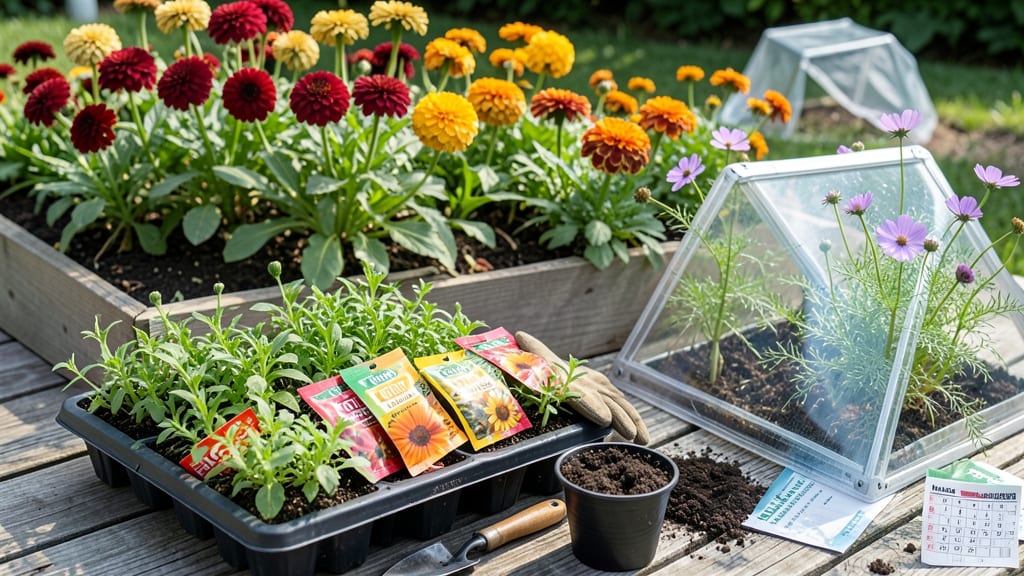
Timing your flower seeds 🌸 planting in Illinois can make the difference between a vibrant garden and a sad, frost-killed disappointment. With USDA zones 5a-6b bringing unpredictable frosts, getting the schedule right is key—especially when your March-May window is short and sweet.
I’ve seen too many gardeners rush planting or wait too long, only to watch their blooms fizzle before summer even arrives. The secret isn’t just following a generic calendar—it’s understanding your local microclimate, whether you’re in Chicago’s urban heat islands or rural areas where frost lingers later.
In this guide, I’ll break down the exact months to plant, from cool-season pansies in March to heat-loving marigolds in June, plus how to start seeds indoors for an early edge. No more guessing—just proven strategies to maximize your garden’s beauty.
Ready to turn your Illinois yard into a year-round bloom parade? Let’s get those seeds in the ground at the perfect time—and keep them thriving until frost rolls back in.
Illinois flower seed planting calendar by hardiness zones (5-7)
Illinois spans USDA Hardiness Zones 5-7, meaning frost dates vary dramatically from Chicago’s Zone 5b to southern Illinois’ Zone 6b. In Zone 5, the last spring frost typically hits April 15, while Zone 7 areas like Cairo may see frost-free soil by March 20.
Understanding your zone helps avoid planting too early and risking frost damage or too late and missing peak blooms.
Soil temperature is just as critical as frost dates. Most flower seeds need soil at least 60°F (15°C) to germinate. In northern Illinois, this often means waiting until mid-May for heat-loving annuals like marigolds, while southern Illinois gardeners can plant two weeks earlier.
Use a soil thermometer to confirm readiness—cold soil delays germination and weakens seedlings.
Microclimates add another layer. Urban areas like Chicago experience heat islands that can push frost dates back by 5-7 days compared to rural areas. Meanwhile, wind exposure in open fields can make seedlings 10°F colder than sheltered spots.
Adjust your planting schedule if your garden sits in a frost pocket or near a heat-retaining wall.
Here’s how Illinois’ three main regions differ in planting timelines:
| Region | Zone | Last Frost | First Planting (Cool-Season) | Last Planting (Warm-Season) |
|---|---|---|---|---|
| Northern IL (Chicago, Rockford) | 5a-5b | April 15 | March 15 (indoor start) | May 20 |
| Central IL (Springfield, Peoria) | 5b-6a | April 5 | March 1 (indoor start) | May 10 |
| Southern IL (St. Louis, Cairo) | 6a-6b | March 20 | February 15 (indoor start) | April 30 |
For annual flowers, aim to plant seeds 4-6 weeks before your region’s last frost date.
This gives seedlings enough time to develop 2-3 true leaves before transplanting. Perennials, like coneflowers or black-eyed Susans, can handle earlier planting (as early as March in Zone 6) since they establish deep roots over time.
If you’re unsure about your frost date, use the National Weather Service’s frost calendar or ask local Cooperative Extension offices. They provide hyper-local data that accounts for urban heat islands and lake-effect cooling near bodies of water.
Pro tip: Plant a test row of fast-growing radishes or lettuce two weeks before your target date—they’ll show you if the soil is truly frost-free.
Fall planting is equally critical. In Zone 5, sow cool-season flowers like pansies and snapdragons by August 15 to ensure they establish roots before first frost (October 15).
Southern Illinois gardeners can extend this window until September 15. Always mulch heavily in fall to protect tender roots from temperature swings.
Remember: Soil preparation matters just as much as timing. Amend your beds with compost in early spring to improve drainage and warmth. In clay-heavy soils (common in central Illinois), mix in sand or peat moss to prevent waterlogging, which stunts seedling growth.
Test your soil’s pH (6.0-7.0 for most flowers)—acidic or alkaline extremes can block nutrient uptake.
For container gardening, adjust timelines by 2-3 weeks earlier since pots warm up faster than soil. Place containers in sheltered spots to avoid wind damage, and use self-watering pots to prevent drought stress during Illinois’ unpredictable spring rains and summer heatwaves.
Best flowers to plant monthly in Illinois (with seed starting tips)
Illinois gardeners know that monthly planting unlocks vibrant blooms year-round. Start with cool-season flowers like pansies and snapdragons in early spring, then transition to heat-loving varieties like zinnias and marigolds by summer. Indoor seed starting lets you jumpstart growth—just begin 6-8 weeks before your last frost date (typically mid-April).
For March plantings, focus on hardy annuals that tolerate light frosts. My go-to is sweet alyssum and calendula, which thrive in 45-55°F soil. These early bloomers create instant color while protecting soil from erosion.
In April, when nighttime temps stay above 40°F, add petunias and nasturtiums—both love Illinois’ sunny skies.
🌱 Monthly Flower Planting Highlights for Illinois
- 🌱 March: Start pansies and snapdragons indoors (6 weeks before last frost)
- 🌱 April: Direct sow cosmos and marigolds after soil warms to 60°F
- 🌱 May: Plant zinnias and sunflowers for summer-long color
- 🌱 June: Add portulaca and lobelia for heat tolerance
- 🌱 August: Begin fall bloomers like asters and chrysanthemums
Don’t overlook August-September for fall plantings! Cooler temps suit pansies and stocks, which bloom until first frost. Use row covers to extend their season. For indoor seed starting, begin geraniums and dianthus in late winter—they need 10-12 hours of light daily to avoid leggy seedlings.
Pro tip: Test soil temps with a thermometer before planting. Most flowers need 55-70°F soil to germinate. In Zone 5 (northern IL), wait until May 1 for heat-lovers like salvias, while Zone 6-7 can plant 2 weeks earlier. Always water seeds gently to avoid displacement.
For container gardens, choose compact varieties like bachelor’s buttons or dwarf sunflowers. These thrive in 5-gallon pots with well-draining mix. Remember: Morning watering prevents fungal diseases, and mulch retains moisture. With this schedule, you’ll enjoy blooms from April through October!