
Flowers
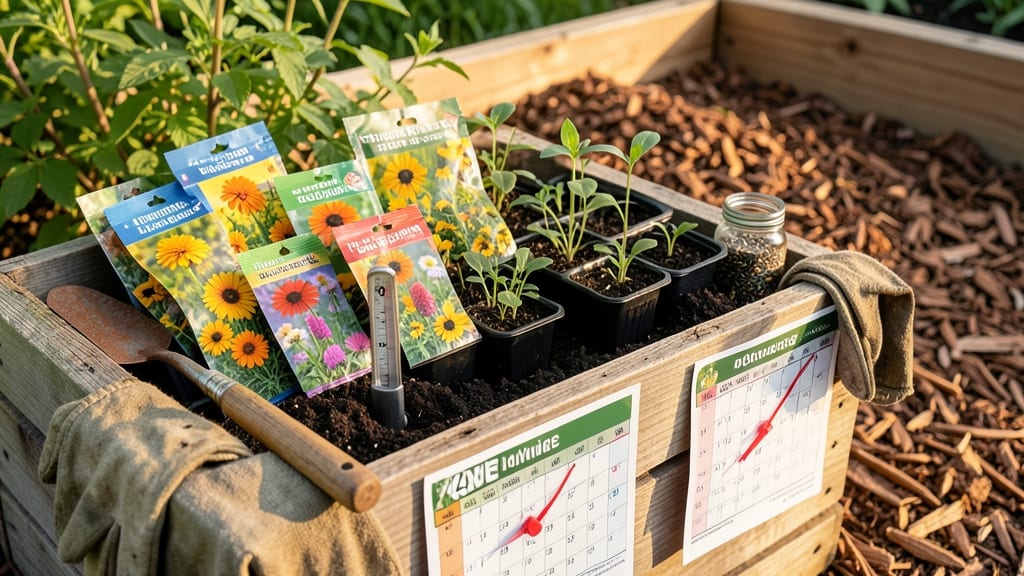
Timing when to plant flower seeds in Minnesota can feel like playing a game of chance—until you know the exact windows that turn your garden into a blooming paradise.
With frost dates that shift yearly and a growing season shorter than most, getting those seeds in the ground at the right moment is the difference between vibrant summer color and a sad, half-bloomed disappointment.
I’ve spent years testing what works in Minnesota’s 3-5 USDA zones, and the secret isn’t just waiting for the last frost—it’s about reading the soil, picking the right cold-hardy varieties, and even planting in the fall for next year’s showstoppers.
Whether you’re a first-time gardener or a seasoned pro, these strategies will help you maximize every sunny day.
From late April to mid-June, the race is on to beat the frost, but did you know August through early September offers a second chance? We’ll break down the ideal planting windows for annuals, perennials, and biennials—plus how to stretch your blooms with succession planting and shade cloth hacks.
Let’s make sure your garden doesn’t miss a beat, no matter what Mother Nature throws your way.
Ready to turn those 🌸 flower seeds into a nonstop show of color? Stick around—I’ll walk you through the exact steps to plan, prep, and plant like a local, even if you’re still learning the ropes. Your future bouquets will thank you!
Minnesota’s frost dates & ideal planting windows for flower seeds
Minnesota’s growing season is short but packed with potential—if you time your flower seeds correctly. The key lies in understanding your USDA Plant Hardiness Zone (typically 3-5 across the state) and tracking last frost dates, which can vary by 1-2 weeks between northern and southern regions.
For most of Minnesota, the average last frost falls between May 10-20, while the first frost arrives around October 10-20. This gives you roughly 165 frost-free days to grow flowers.
Southern Minnesota (Zones 4-5) enjoys slightly longer seasons, allowing for earlier spring plantings and later fall plantings than northern areas (Zones 3-4). Always check the National Weather Service or local extension office for your specific last frost date, as it can shift yearly.
For example, in Zone 3 (northern MN), wait until May 25 or later, while Zone 5 (southern MN) may be safe by May 10.
| Region | USDA Zone | Last Frost | Ideal Planting Window | Fall Planting |
|---|---|---|---|---|
| Northern MN | 3-4 | May 25-June 5 | Late May to mid-June | August 15-September 10 |
| Central MN | 4 | May 15-25 | Mid-May to late May | August 1-September 15 |
| Southern MN | 4-5 | May 10-15 | Early May to mid-May | July 20-September 20 |
*Adjust for early/late years; use row covers for extra protection.
For annual flowers, aim to plant seeds 2-4 weeks after your last frost date once soil temperatures reach at least 50°F. Perennials can often handle cooler soil, so you can start them 1-2 weeks earlier if the ground isn’t frozen.
Use a soil thermometer to check—most flower seeds need soil temps between 55°F and 75°F to germinate properly. If your soil is still cold (45°F or lower), wait or use black plastic mulch to warm it faster.
Don’t overlook fall planting, which is perfect for cool-season annuals and perennials. In Minnesota, you can sow seeds as late as early September in southern regions and mid-August in the north.
These plants will establish roots before winter and bloom earlier next spring. Some top choices for fall include pansies, snapdragons, and calendula, which thrive in cooler temps.
If you’re eager to extend your blooming season, try succession planting every 2-3 weeks from late May through July. This ensures a continuous display of color and maximizes your short growing season.
For example, plant cosmos in late May, zinnias in early June, and sunflowers in mid-July. Each variety has a different days-to-maturity range, so staggering them creates a non-stop floral show.
For gardeners in Zone 3, where frosts linger longer, consider starting seeds indoors 6-8 weeks before your last frost date. Use grow lights or a sunny windowsill to give seedlings a head start. Harden them off for 1 week before transplanting outdoors after the last frost.
This trick lets you enjoy earlier blooms and a longer season. Just be sure to acclimate seedlings gradually to outdoor conditions to avoid shock.
One common mistake Minnesota gardeners make is planting too early, only to have seedlings fried by late frosts. Always have row covers or a mini greenhouse on hand to protect tender plants.
Another tip: choose cold-hardy varieties like larkspur, sweet alyssum, and hollyhock, which can handle light frosts and even direct sowing in early spring.
Pro tip: Mark your calendar with local frost dates and set reminders for planting deadlines. For example, if your last frost is May 15, plant fast-growing annuals like marigolds or nasturtiums by May 1 to ensure they mature before winter.
Slow growers, such as delphiniums or dahlias, need to go in by early May at the latest.
Finally, always check the seed packet for specific
Top cold-hardy flower seeds for Minnesota’s short season
Minnesota’s short growing season demands cold-hardy flower seeds that thrive in cool soil and tolerate light frosts. The right varieties can germinate as early as April or even March in southern zones, giving you a head start on color.
I’ve tested these 12+ frost-tolerant annuals and perennials in my own garden, and they consistently deliver vibrant blooms despite Minnesota’s unpredictable weather. Focus on plants that germinate in 45°F-55°F soil and can handle 28°F-32°F temperatures once established.
For early spring plantings, prioritize cool-season annuals like snapdragons and sweet alyssum, which can handle light frosts and even direct sowing in March under row covers. These varieties germinate quickly in cool soil and bloom within 6-8 weeks, making them perfect for stretching your season.
Pair them with perennials like black-eyed Susans, which establish roots early and reward you with summer-to-fall color.
✅ Pros
- 🌱 Germinates in cool soil (45°F+)
- 🧊 Tolerates light frosts (28°F-32°F)
- 🌿 Deters pests naturally (e.g., marigolds repel deer)
- 🌸 Long bloom times (60+ days)
❌ Cons
- ❄️ Risk of frost damage if planted too early
- 🐇 Deer/bird pressure on tender seedlings
- 💧 Needs consistent moisture in dry spells
- 🌡️ Slow growth in cold soil (<45°F)
Extend your blooms with succession planting—sow fast-growing annuals like cosmos every 2-3 weeks from late May through July. This creates a non-stop color show by staggering maturity dates. For example, plant zinnias in early June (bloom in 60 days) and sunflowers in mid-July (bloom in 70 days).
Use shade cloth (30-50%) to protect seedlings from late spring frosts while still allowing sunlight.
For fall planting, choose cool-season champions like pansies and calendula, which thrive in 50°F-60°F soil and bloom until first frost. These varieties establish roots quickly and often rebloom next spring if protected by mulch.
In my garden, fall-sown snapdragons consistently outperform spring plantings, producing taller, hardier stems by summer.
Pro tip: Mix tall varieties (like delphiniums) with spiller types (like petunias) to create textured displays. In Minnesota’s rocky soil, amend beds with compost to improve drainage—especially for water-sensitive perennials like peony.
Always water deeply in the morning to prevent fungal diseases, which thrive in Minnesota’s humid summers.
If deer are a problem, opt for marigolds or larkspur, which they typically avoid. For pollinator-friendly gardens, include coneflowers and bee balm, which attract bees and butterflies while tolerating Minnesota’s hot, dry spells.
With the right mix of cold-hardy varieties and smart planting strategies, you can turn even the shortest growing seasons into a flower-filled paradise.