
Flowers
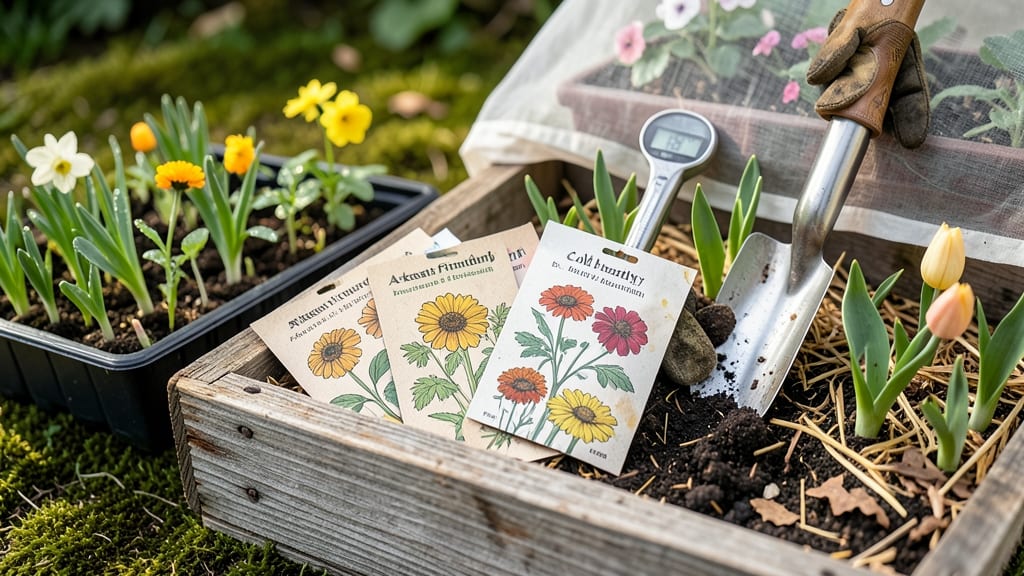
Timing your flowers planting in Arkansas isn’t just about throwing seeds in the dirt—it’s the difference between a garden bursting with 🌸 and one that fizzles under the wrong weather.
Whether you’re in the warmer Zone 8a of the Delta or the cooler Zone 7a of the Ozarks, getting those deadlines right means avoiding frost damage in spring or stunted growth in summer.
I’ve spent years watching Arkansas gardens thrive (and sometimes fail) based on when flowers hit the soil, and the key is knowing your local frost dates like the back of your hand.
Plant too early, and a late freeze could wipe out your tender annuals. Too late, and summer’s heat will leave your blooms struggling before they even take root.
What if you could learn how to align your planting schedule with Arkansas’s two best windows—late winter through early spring and early fall? That’s exactly what I’m sharing here, so you can maximize your garden’s potential without guessing.
Let’s break down the exact months and zones that’ll give you the most vibrant, longest-lasting blooms.
From pansies that love cool weather to lantana that thrives in heat, we’ll cover the best flowers for each season and how to adjust for Arkansas’s microclimates. Ready to turn your garden into a year-round showstopper?
Arkansas planting zones: key deadlines for spring vs. fall flower planting
Arkansas spans USDA Hardiness Zones 6b through 8a, meaning your last frost dates can vary by 3+ weeks from the Ozark Mountains to the Arkansas River Valley.
Understanding these zones is critical—planting marigolds in Zone 7a after April 15 risks heat stress, while pansies in Zone 8a planted before September 1 may bolt in summer’s 95°F+ heat.
For spring planting, most Arkansas gardeners should aim for February 15 to April 15, but your exact window depends on elevation.
Higher elevations (like the Boston Mountains) may see frost until April 30, while southern Arkansas (Zone 8a) can safely plant tender annuals like impatiens as early as March 1.
Fall planting offers a second chance for vibrant blooms. In Zone 6b, start by September 15 to give flowers time to establish roots before the first frost (usually November 15).
In Zone 8a, you can extend planting until October 31—perfect for chrysanthemums and mums that thrive in cooler weather.
Here’s the visual breakdown of your planting deadlines by zone, including microclimate adjustments for Arkansas’ diverse regions:
| Zone | Spring Planting Window | Fall Planting Window | Last Frost Date | First Frost Date | Microclimate Notes |
|---|---|---|---|---|---|
| 6b (Northwest AR) | March 15 – April 15 | September 1 – September 15 | April 1 – April 15 | November 1 – November 15 | Cooler nights; extend window to April 30 in high elevations. |
| 7a (Central AR) | March 1 – April 15 | September 15 – October 1 | March 15 – March 31 | November 10 – November 20 | Urban heat islands may push last frost to April 10. |
| 7b (South AR) | February 28 – April 1 | September 1 – October 15 | February 28 – March 15 | November 5 – November 15 | River valleys (e.g., Arkansas River) warm faster; plant earlier. |
| 8a (Southeast AR) | January 15 – March 31 | September 1 – October 31 | January 15 – February 15 | November 20 – December 1 | Tropical nights; extend fall planting to November 15. |
For container gardening, adjust these dates by 2–4 weeks earlier—containers heat up faster and dry out quicker. If you’re growing petunias or geraniums in pots, start them indoors by February 1 in Zone 7a to avoid transplant shock when moving outdoors.
Soil temperature is just as critical as air temperature. Use a soil thermometer to confirm 60°F+ for warm-season flowers like zinnias or 50°F+ for cool-season flowers like snapdragons.
In Arkansas’ humid climate, overwatering after planting is a common mistake—wait until the top 1–2 inches of soil are dry before watering again.
Pro tip: Mulch heavily (3–4 inches) after planting to retain moisture and regulate soil temperature. In Zone 8a, this helps protect roots during sudden cold snaps in November, while in Zone 6b, it insulates roots from late winter thaws that can trigger early growth.
Remember, Arkansas’ unpredictable weather means flexibility is key. Keep a gardening journal to track your local frost dates and adjust future planting schedules. For example, if your Zone 7a garden sees frost on April 20 one year, plan to delay planting tender annuals until May 1 that
Best flowers to plant by season in Arkansas (with heat/frost tolerance guide)
Arkansas’s diverse climate means some flowers thrive in cool spring mornings, while others need summer’s brutal heat. I’ve tested dozens of varieties across Zones 6b–8a, and these top performers deliver bold color with minimal fuss.
Start with cool-season stars like pansies (tolerate 28°F frost) or snapdragons, then transition to heat-lovers like zinnias or lantana once soil warms to 60°F+.
For fall blooms, focus on chrysanthemums (they handle 32°F temps) and asters, which add late-season color before winter. In Zone 8a, you can even plant calendulas as late as November 15—they’ll bloom until December 1 before frost.
Here’s how I rate these flowers’ heat and frost tolerance on a 1–5 scale (5 = best survival). Use this to pick varieties that match your planting window and microclimate:
For Zone 6b gardeners, prioritize frost-hardy perennials like black-eyed Susans or bee balm, which return every year with minimal care. In Zone 8a, swap out cool-season flowers by May 1 for heat-tolerant annuals like lantana or portulaca, which thrive in 100°F+ temps.
Pro tip: Succession plant heat-lovers like marigolds every 4–6 weeks from April to July to ensure continuous blooms. In Zone 7a, I’ve seen cosmos self-seed and bloom from June to October with zero effort—just let them go to seed!
Finally, avoid these heat-sensitive picks in Arkansas’ summer: impatiens (wilt in 90°F), begonias (need shade), and dianthus (bolts in heat). Instead, opt for drought-tolerant alternatives like salvia or verbena, which drink 30% less water once established.
Ready to pick your perfect seasonal lineup? Grab a gardening journal and note which flowers thrive in your specific microclimate—your future garden will thank you!