
Flowers
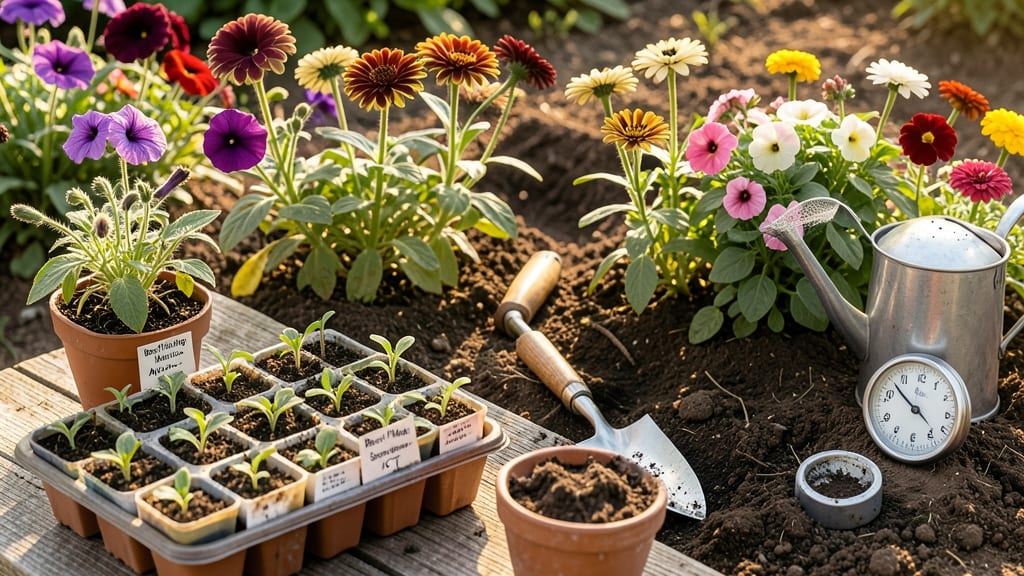
Planting your 🌸 flowers in Connecticut at the wrong time can mean the difference between a vibrant garden and a sad, frost-killed disappointment. Connecticut’s 5b-6b climate throws curveballs with unpredictable frost dates, and knowing the exact planting windows is the key to success.
Whether you're dreaming of spring bulbs or fall mums, timing matters more than you think. Coastal areas like New Haven might have 2 weeks earlier deadlines than inland spots like Hartford, and missing these windows can leave your garden struggling.
I’ll break down the science-backed deadlines so you can plant with confidence.
From March 15 to May 15 for spring blooms to August 15 to September 15 for fall favorites, we’ll cover everything—soil prep, frost dates, and microclimate tweaks. Let’s get your garden blooming exactly when you want it.
Ready to avoid the common mistakes that wreck Connecticut gardens? Stick around—I’ll show you how to read the signs and adjust your planting schedule for zero frost risk and maximum beauty.
Connecticut’s frost zones and flower planting deadlines by region
Connecticut’s USDA Hardiness Zones 5b-6b mean your planting deadlines can shift by weeks depending on whether you’re in coastal New London (Zone 6b) or inland Hartford (Zone 5b).
The average last frost date hovers around April 15, but coastal areas often see frost-free soil by April 1, while inland regions may wait until May 1. These microclimates directly impact when you can safely plant annuals, perennials, and bulbs without risking frost damage.
For spring planting, most gardeners aim to get flowers in the ground 2-4 weeks after the last frost. This window—typically mid-April to early May—gives tender annuals like petunias and marigolds enough time to establish roots before summer heat arrives.
Perennials, however, can often handle early spring planting (March) as long as the soil isn’t frozen or waterlogged.
Fall planting follows a similar logic but works backward from the first frost date (mid-October). Aim to plant cool-season flowers like pansies or snapdragons by late August to early September—giving them 6-8 weeks to root before winter sets in.
Bulbs like tulips and daffodils should go in the ground by October 15 to avoid heaving during freeze-thaw cycles.
Here’s how your microclimate affects planting:
- Coastal CT (Zone 6b): Start annuals 2 weeks earlier (late March) and extend fall planting to mid-September.
- Inland CT (Zone 5b): Wait until mid-April for spring and finish fall planting by early September.
- High-elevation areas (e.g., Torrington): Delay spring planting by 1-2 weeks due to colder nights.
🌱 Connecticut Flower Planting Deadlines by Type
| Flower Type | Spring Planting Window | Fall Planting Window | Zone 5b Adjustment | Zone 6b Adjustment |
|---|---|---|---|---|
| Annuals (e.g., petunias, zinnias) | April 15–May 1 | August 15–September 1 | Delay 1 week | Start 1 week early |
| Perennials (e.g., peonies, coneflowers) | March 15–April 15 | September 1–15 | Delay 2 weeks | Start 2 weeks early |
| Bulbs (e.g., tulips, daffodils) | September–October (fall) | N/A (plant in fall) | Plant by Oct 1 | Plant by Oct 15 |
| Cool-Season Annuals (e.g., pansies, snapdragons) | April 1–May 15 | August 1–September 15 | Delay 1 week | Start 1 week early |
💡 Pro Tip: Use the CT Agricultural Experiment Station’s frost maps to track real-time updates for your exact location.
To avoid frost damage, always check the soil temperature—it should be at least 50°F (10°C) for annuals and 40°F (4°C) for perennials before planting. Coastal areas warm up faster, so start seeds indoors 4-6 weeks before your target outdoor date to maximize your growing season.
For inland gardeners, consider using row covers or cold frames to extend the season by 2-3 weeks.
For high-value flowers like dahlias or cannas, which are frost-sensitive, wait until after Memorial Day (late May) to plant. These tropical beauties thrive in Zone 6b’s longer coastal summers but may need digging up and overwintering indoors in Zone 5b.
Always monitor the NOAA CT weather station for late frost warnings—even in May!
Don’t overlook fall-planted bulbs. While spring-blooming bulbs (like tulips) go in the ground in fall (October), many summer-blooming bulbs (e.g., dahlias, gladiolas) can be planted in early spring (April) once the soil warms.
The key is consistent moisture during their first 4-6 weeks to encourage root growth before extreme heat arrives.
If you’re unsure about your local frost dates, plant a few extra flowers as cuttings or in containers—they’re easier to move indoors if a late frost threatens. For example, geraniums and impatiens are perfect for
How to adjust planting dates for Connecticut’s microclimates (coastal vs. inland)
Connecticut’s coastal areas (like New London) and inland regions (like Hartford) experience wildly different frost patterns. Coastal zones warm 1-2 weeks earlier than inland areas due to ocean moderation.
If you plant tulips in early April in Zone 6b (coastal), they’ll thrive—but the same timing in Zone 5b (inland) risks frost damage. Understanding these microclimates is key to avoiding wilted petunias or frozen dahlias.
For coastal Connecticut, aim to plant annuals like marigolds by April 15—when soil temps hit 50°F. Inland gardeners should wait until May 1 for the same results.
Perennials like peonies can handle earlier planting (late March), but tender varieties (e.g., geraniums) need to wait until after the last frost. Use local frost data from NOAA stations to fine-tune your schedule.
🌱 3 Key Adjustments for CT Microclimates
- Shift coastal plantings 7-10 days earlier than inland areas (e.g., April 15 vs. April 25 for pansies).
- Use cold frames to extend inland planting by 2-3 weeks for frost-sensitive flowers like begonias.
- Monitor soil temperature, not air temp—ideal planting soil should be 55-65°F for most flowers.
Soil warming hacks make a huge difference in inland CT. Try black plastic mulch or straw bales to raise soil temps by 5-10°F, letting you plant two weeks earlier. For high-value flowers like dahlias, use row covers to protect young shoots until the last frost.
Coastal gardeners can skip these tricks—just plant 1-2 weeks ahead of inland neighbors and enjoy longer bloom seasons.
Frost-proofing techniques save late-season blooms too. Inland areas often see light frosts in October, so plant fall mums by August 20 to ensure they mature before cold snaps.
Coastal zones can push this to September 1. Always check the 10-day forecast before planting tender annuals—a 32°F night can devastate impatiens overnight.
Pro tip: Group flowers by hardiness. Plant Zone 5 perennials (e.g., coneflowers) first, then Zone 6 annuals (e.g., zinnias) 2 weeks later. This staggered approach ensures continuous blooms and minimizes frost risk.
For container gardening, move pots indoors or under porch covers during late frosts—even coastal areas can surprise you with unexpected cold snaps.
Remember, local nurseries know best. Ask your Hartford or Stamford garden center about their successful planting dates—they’ve seen firsthand which flowers thrive (or fail) in your microclimate. With these adjustments, you’ll beat frost, not fight it—and enjoy vibrant blooms all season.