
Flowers
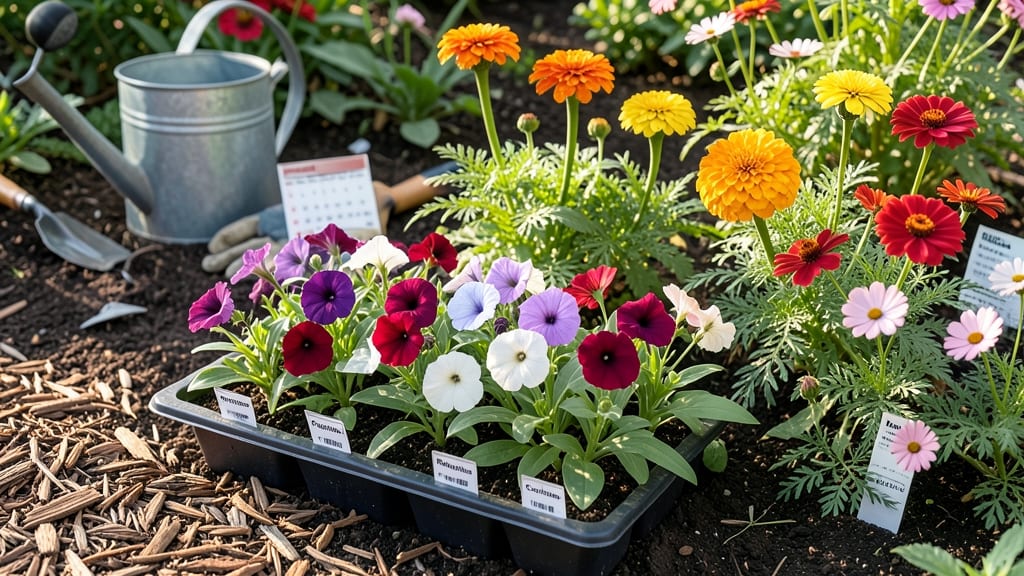
Timing your when to plant flowers in GA can mean the difference between a thriving garden and a frost-kissed disappointment. Georgia’s warm climate might seem forgiving, but those unpredictable late frosts in 7a-9a zones can still catch even the most seasoned gardeners off guard.
You don’t need to be a botanist to get this right—just a few key dates and simple prep tips. Whether you’re dreaming of spring blooms or extending your garden’s life into fall, knowing the best months to plant 🌸 flowers in Georgia will save you time, money, and frustration.
Let’s cut through the guesswork and focus on what actually works. I’ll walk you through the ideal planting windows for both spring and fall, so you can enjoy vibrant flowers without the frost worries. Ready to turn your garden into a year-round showstopper?
From soil prep to moisture tricks, you’ll learn the exact steps to give your flowers the best start—no matter the season. Let’s get those blooms growing the smart way!
Georgia’s frost-free planting zones: when to start flowers in spring
Georgia’s USDA zones 7a-8b create a unique gardening challenge—mild winters with sudden late frosts can catch even experienced gardeners off guard.
Unlike northern states, where spring planting is delayed until after Memorial Day, Georgia gardeners must time their plantings between February and April to avoid frost damage while ensuring strong root establishment before summer heat arrives.
Your last average frost date in Georgia typically falls between mid-March and early April, depending on your region. For example, Athens (Zone 8a) usually sees its last frost around March 15, while Savannah (Zone 8b) may wait until March 25.
Using these dates as your guide ensures your annual flowers and tender perennials get a head start without risking frost damage.
The key to successful spring planting in Georgia is understanding soil temperature thresholds. Most cool-season flowers like pansies and snapdragons thrive when soil temps reach 45-55°F.
Use a soil thermometer to check—if it’s below 50°F, wait a few weeks or opt for heat-tolerant varieties like zinnia or cosmos that can handle warmer soil.
Heat-tolerant annuals are your best bet for early spring planting. Varieties like marigolds and sunflowers can handle 60-65°F soil temps and even sprout in late February under row covers. For perennials, divide and transplant daylilies or black-eyed Susans in early March when soil is workable but not yet overheated.
Here’s a quick planting timeline for Georgia’s most popular spring flowers:
| Flower Type | Best Planting Window | Soil Temp Requirement | Frost Risk |
|---|---|---|---|
| Annuals (e.g., petunias, zinnias) | After last frost (mid-March–early April) | 50–65°F | Low (if planted after frost date) |
| Perennials (e.g., daylilies, coneflowers) | Early March–early April | 45–55°F | Moderate (use row covers) |
| Bulbs (e.g., tulips, daffodils) | October–November (fall planting) | 60–70°F (for fall) | None (established roots) |
| Heat-tolerant annuals (e.g., sunflowers, marigolds) | Late February–March | 60–75°F | None |
| Vegetable flowers (e.g., nasturtiums, borage) | March–April | 55–65°F | Low (fast-growing) |
⚠️ Pro Tip: Use row covers or cold frames to extend your spring planting window by 2–3 weeks for frost-sensitive flowers.
For container gardening, you can push your planting window even earlier. Potted flowers like geraniums and begonias can be placed outdoors in late February during the day and brought inside at night if frost is forecasted. This two-week head start gives them a competitive edge over in-ground plantings.
One common mistake Georgia gardeners make is planting cool-season flowers too early and then suffering frost damage in late March. To avoid this, check the National Weather Service or your local University of Georgia Extension office for 10-day forecasts before committing to early plantings.
If a hard freeze (below 28°F) is predicted, cover your plants with frost cloth or move containers to a sheltered spot.
Another strategy is to use slow-release fertilizers when planting in early spring. Since Georgia’s soil can warm quickly, a balanced 10-10-10 fertilizer applied at planting time ensures steady root development without burning young plants.
Water deeply after planting and mulch with 2–3 inches of straw to retain moisture and regulate soil temperature.
If you’re unsure about your local frost dates, use this rule of thumb: Wait until you’ve had 3 consecutive days above 50°F before planting frost-sensitive flowers. This simple check helps you avoid the danger zone where nighttime temperatures can drop suddenly, even in April.
For bulbs like tulips and daffodils, spring planting is not recommended in Georgia’s climate—these should be planted in fall (October–November) to establish roots before winter. However, summer-blooming bulbs like dahlias can be planted in late
Fall planting advantages in Georgia: extending bloom seasons without frost risk
Fall planting often outperforms spring in Georgia because cooler soil temperatures reduce stress on roots, while shorter days trigger earlier blooming. Many flowers—like pansies and sweet alyssum—thrive when planted in August or September, giving you vibrant blooms before winter sets in.
Unlike spring, fall offers consistent moisture from lingering summer rains, which means less frequent watering once established. Plus, fewer pests are active in late fall, so your plants face lower disease pressure during critical root establishment.
For Georgia’s USDA zones 7a-8b, aim to plant cool-season annuals by mid-September in northern GA and early October in southern regions. This timing ensures roots grow strong before the first frost, which typically hits mid-November.
- 📅 August: Plant heat-tolerant annuals like marigolds and zinnias for early fall blooms.
- 🌱 September: Ideal window for pansies, snapdragons, and cabbage (yes, edible flowers too!).
- 🍂 October: Focus on perennials like coreopsis and black-eyed Susans for next spring.
- ❄️ November: Cover tender plants with mulch or frost cloth if frost threatens.
One of my favorite fall strategies is interplanting spring-blooming bulbs like tulips or daffodils with fall annuals. The bulbs establish roots in fall, while the annuals provide instant color until spring. This dual-purpose approach maximizes your garden’s visual impact year-round.
Don’t overlook mulching—a 2-3 inch layer of straw or shredded leaves insulates roots, retains moisture, and suppresses weeds. In Georgia’s humid climate, mulch also helps prevent soil-borne diseases that thrive in damp conditions.
For container gardening, fall is perfect for potted pansies or calendulas. Move containers to protected spots (like porches or under eaves) after the first frost to extend their season. Just remember: drainage is key—containers dry out faster in fall’s cooler air.