
Companion Plants
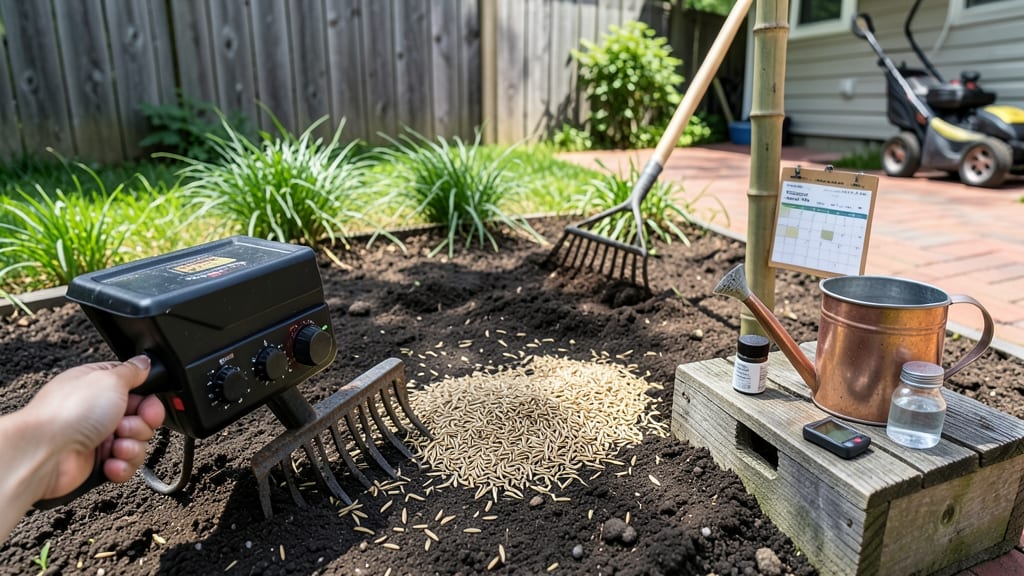
Planting grass seed in Michigan at the wrong time can mean months of frustration—frost, drought, or heat can turn your hard work into a patchy, struggling lawn. The difference between a lush green carpet and wasted effort often comes down to timing, not just technique.
Michigan’s 5b-6b climate zones give you two prime windows: early spring (April–early May) or early fall (late August–early September). But getting it wrong—like planting too early when soil is still cold or too late when frost looms—can leave your yard thin and uneven.
Let’s break down the exact deadlines and steps to ensure your grass takes root strong.
You’ll learn how to prep your soil, choose the right seed types for your region, and avoid common mistakes that trip up even experienced gardeners. Whether you’re in the Upper Peninsula or southern Michigan, these insights will help you skip the guesswork and get that perfect lawn.
Ready to transform your yard? The key is knowing when to act—before the next frost or heatwave ruins your plans. Let’s get started.
Michigan grass seed planting deadlines: spring vs fall frost risk zones
Michigan’s variable climate makes timing critical for grass seed success. Plant too early, and frost will kill tender sprouts. Wait too late, and heat stress or drought can stunt growth.
The key is planting when soil temperatures hit 50°F (10°C) and stay there consistently—typically 4-6 weeks before the last frost in spring or 6-8 weeks before the first frost in fall.
Michigan spans USDA zones 5b-6b, meaning frost dates shift dramatically from the Upper Peninsula to southern Michigan. Northern regions (like Marquette) face later springs and earlier falls, while Detroit enjoys a longer growing window.
Understanding your local frost risk ensures your grass seed gets the best chance to establish before extreme weather intervenes.
Spring planting in Michigan usually kicks off in mid-April for southern areas but waits until late April to early May in the north. Fall planting starts as early as late August in the south but pushes to early September in colder zones.
Missing these windows can leave your lawn vulnerable to winter kill or summer dormancy.
Here’s how Michigan’s three main regions differ in their ideal planting windows:
| Region | Spring Planting Window | Fall Planting Window | Last Frost Date | First Frost Date |
|---|---|---|---|---|
| Upper Peninsula (e.g., Marquette) | Late April – Early May | Early September | Mid-May | Mid-September |
| Northern Lower (e.g., Traverse City) | Mid-April – Late April | Late August – Early September | Early May | Late September |
| Southern Lower (e.g., Detroit) | Early April – Mid-April | Mid-August – Late August | Late April | Early October |
The science behind these windows revolves around soil temperature and daylight hours. In spring, seeds need warmth to germinate but must establish roots before summer heat arrives. Fall planting leverages cool soil and moderate rainfall to encourage deep root growth before winter dormancy.
Both seasons avoid the stress of extreme temperatures, which can weaken young grass.
Fall planting often yields better results in Michigan because cooler air temperatures reduce evaporation and weed competition. However, spring planting gives your lawn a head start for summer use.
If you’re torn, consider overseeding in both seasons—many Michigan homeowners achieve the best results by planting in early fall and late spring.
One critical mistake to avoid? Planting when soil is too cold or too hot. Use a soil thermometer to confirm temperatures are above 50°F (10°C) before seeding. Cold soil slows germination, while hot soil can bake seeds and wash them away during watering.
Michigan’s unpredictable weather means checking forecasts for 3-5 days of dry conditions after planting is also key.
For northern Michigan, where winters are harsher, focus on cool-season grasses like Kentucky Bluegrass or Tall Fescue, which thrive in USDA zone 5b. Southern Michigan’s milder winters allow for mixed blends that include Perennial Ryegrass for faster germination.
Always choose Michigan-tested seed mixes labeled for your region to ensure resilience against local pests and diseases.
Pro tip: Mark your calendar 6 weeks before your region’s last frost date for spring planting or 8 weeks before the first frost for fall. This gives you time to prep soil, order seed, and avoid last-minute rushes. A well-timed lawn is a lush, low-maintenance reality by summer.
How to prepare your Michigan lawn for grass seed planting (soil, weather, and pre-seeding steps)
Preparing your lawn for grass seed in Michigan isn’t just about throwing seed on bare soil—it’s about creating the perfect conditions for germination. Start with a soil test to check pH (ideal: 6.0–7.0) and nutrient levels.
Michigan’s clay-heavy soils often need compost or peat moss to improve drainage and aeration, especially in wet spring months.
If your lawn has weeds, apply a pre-emergent herbicide 2–4 weeks before seeding to prevent crabgrass and other weeds from competing with your new grass. Just be sure to choose a product labeled safe for new seed germination.
Timing is critical—too early, and it won’t stop weeds; too late, and it may harm your grass.
🚨 CRITICAL STEP: Aerate your soil 1–2 weeks before planting to break up compacted layers. Use a core aerator (not just spike tools) to pull small plugs of soil, creating pockets for seed to settle and roots to grow. This is especially important in high-traffic areas where soil gets compacted.
Don’t plant in cold, wet soil! Michigan’s unpredictable spring weather can leave soil too cold (below 50°F) or soggy for seed to germinate. Wait until soil reaches 55–65°F (use a soil thermometer) and is dry enough to crumble in your hand.
Avoid planting after heavy rain—seeds can wash away or rot. Check the 7-day forecast for steady, light rain (not downpours) in the first 2 weeks after seeding.
Before seeding, rake the soil to create a fine, level surface with no clumps. Remove debris like rocks or dead grass, which can block sunlight and moisture. For bare spots, loosen the soil 1–2 inches deep to help roots penetrate.
If your lawn has thin areas, overseed lightly (½ the recommended rate) to avoid smothering existing grass.
Weather monitoring is key in Michigan’s variable climate. Plant in the early morning to avoid afternoon heat stress on seeds. Use a light mulch (straw or peat moss) to retain moisture and protect seeds from drying out or washing away.
Reapply mulch if rain erodes it, but avoid piling it too thickly—seeds need air to breathe.
Finally, water lightly but frequently—keep the top inch of soil moist (not soggy) for the first 2 weeks. Use a sprinkler on a gentle setting or a hose with a soft spray nozzle to avoid displacing seeds.
In Michigan’s dry summers, reduce watering slightly after establishment but never let the soil dry out completely.