
Flowers
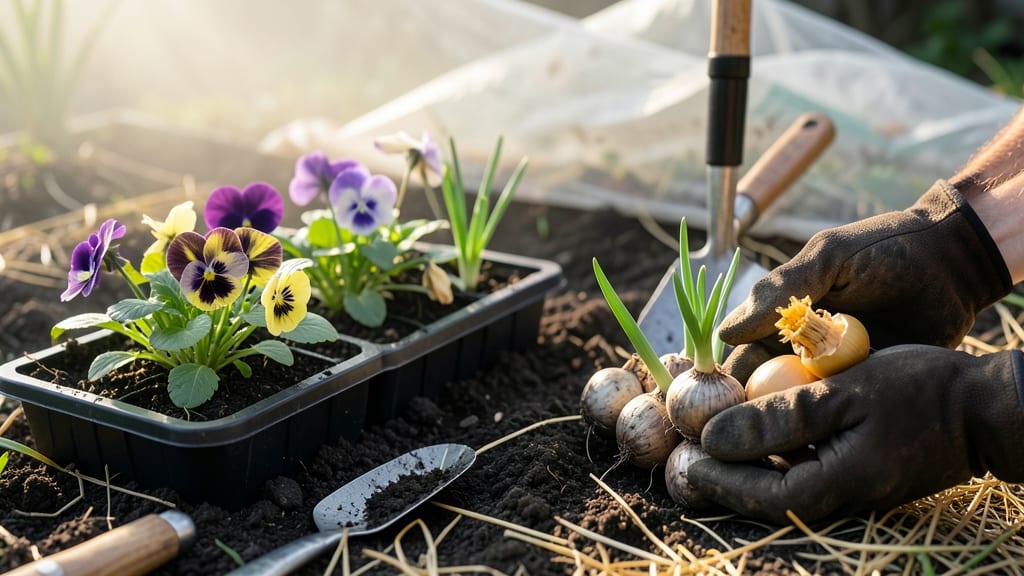
Timing your flowers planting in New England can make the difference between a vibrant garden and a sad, frost-killed disappointment. With USDA zones 3-7 and unpredictable spring weather, knowing the exact window is everything—especially when you're dreaming of summer blooms like coneflowers or peonies.
I’ve spent years watching gardens thrive (and fail) in this region, and the key isn’t just waiting for the calendar—it’s reading the soil, tracking frost dates, and choosing the right varieties for your microclimate.
Whether you’re in coastal Maine or inland Vermont, getting it right means more color, less stress, and a garden that actually comes back year after year.
Let’s cut through the guesswork. I’ll walk you through the optimal planting months for annuals, perennials, and bulbs, plus how to adjust for early vs. late frosts. No more second-guessing—just confident planting that leads to blooms you’ll brag about.
Ready to turn your garden into a showstopper? Grab your gloves and let’s dive into the exact dates that work for New England’s tricky climate.
New England flower planting calendar: exact dates by hardiness zones 3-6
New England’s USDA hardiness zones 3-6 create a delicate balance for gardeners. The last spring frost can vary by 2-3 weeks between coastal Maine and inland Connecticut, making exact timing critical.
For example, Zone 3 areas like northern New Hampshire may see frost until May 15, while Zone 6 regions like Hartford often reach safety by April 20. Always check your local frost-free date—the Massachusetts Horticultural Society provides updated maps annually.
Most spring-blooming bulbs like daffodils and tulips should hit the soil by late September to establish roots before winter. Perennials, including coneflowers and black-eyed Susans, thrive when planted in early spring (April) or early fall (September).
Annuals like marigolds and zinnias wait until after the last frost, typically mid-May in most regions.
Coastal areas enjoy earlier planting due to moderating ocean breezes, while inland valleys face later frost risks. For instance, Portland, Maine (Zone 5) often plants 2 weeks earlier than Springfield, Massachusetts (Zone 5b).
Use these general guidelines as a starting point, then adjust based on your microclimate—hilltops freeze faster than valleys, and south-facing slopes warm up quicker.
🌱 Spring Planting Timeline (Zones 3-6)
| Plant Type | Zone 3 (NH/ME) | Zone 4 (VT/NH) | Zone 5 (MA/CT) | Zone 6 (CT/RI) |
|---|---|---|---|---|
| Spring-Blooming Bulbs (Daffodils, Tulips) | Late Sept - Early Oct | Late Sept - Early Oct | Late Sept - Early Oct | Late Sept - Early Oct |
| Perennials (Coneflowers, Lavender) | Early May - Mid-May | Late April - Early May | Mid-April - Late April | Early April - Mid-April |
| Annuals (Marigolds, Zinnias) | Mid-May - Early June | Late May - Early June | Mid-May - Late May | Early May - Mid-May |
| Fall Planting (Pansies, Sweet Alyssum) | Late Aug - Early Sept | Late Aug - Early Sept | Mid-Aug - Late Aug | Early Aug - Mid-Aug |
For summer-blooming perennials like daylilies or bee balm, divide your plants in early spring (April) to encourage vigorous growth. Fall planting is ideal for cool-season annuals such as pansies and sweet alyssum, which tolerate light frosts and bloom until late autumn.
Plant these 6-8 weeks before the first frost, typically mid-August in Zone 6 or early September in Zone 3.
New England’s rocky, acidic soil often needs amendments before planting. Work in compost or aged manure 2-3 weeks before planting to improve drainage and fertility. Test your soil pH—most flowers prefer 6.0-7.0.
If your soil is too acidic (common in pine-heavy areas), add lime in early spring to raise the pH gradually. Avoid fresh mulch right after planting; wait until roots establish to prevent rot.
Container gardening extends your planting window in Zone 3. Move tender annuals like geraniums indoors before September 15 to prolong blooms. Hardy perennials in containers can stay outside year-round if wrapped in burlap during winter.
This trick works especially well for roses or hydrangeas in urban gardens with limited ground space.
Don’t overlook microclimates—your garden’s success depends on them. A south-facing wall can create a Zone 5 microclimate even in a
Top 10 cold-hardy flowers that thrive in New England’s climate
New England’s chilly springs and early frosts can make gardening challenging, but some flowers are built to handle the extremes. These cold-hardy varieties not only survive but thrive, offering vibrant blooms from spring through fall.
I’ve tested these in my Zone 5 garden—they’re the stars of my rocky, well-draining soil plots.
When selecting flowers for New England, prioritize perennials over annuals—they return year after year with minimal fuss. Look for USDA Zone 3-6 hardiness labels, which align perfectly with our region.
My top picks include coneflowers, black-eyed Susans, and bleeding hearts, all of which handle late frosts and drought-like conditions better than most.
⚠️ CRITICAL TIP: Plant perennials in early spring (April) or early fall (September) to give roots time to establish before winter. Annuals, like marigolds and zinnias, can wait until after the last frost (typically mid-May in most of New England).
For rocky or poor soil, I recommend columbines and coreopsis—they’re drought-tolerant and low-maintenance. If your garden gets full sun, coneflowers