
Flowers
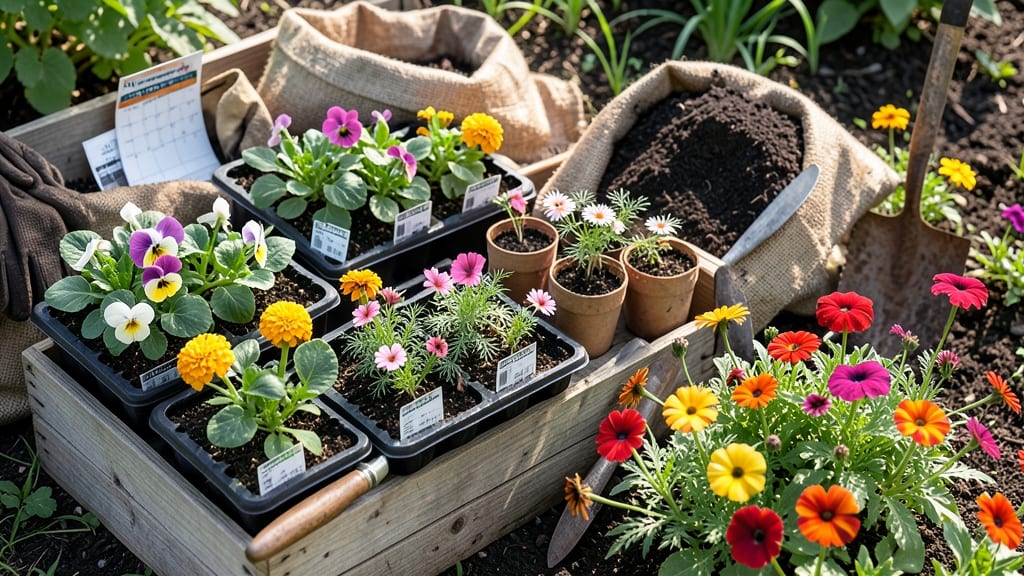
Timing when to plant flowers in New Hampshire just right isn’t just about avoiding frost—it’s about unlocking a garden bursting with color and resilience. With Zones 5a-6b and unpredictable spring weather, planting too early can mean lost blooms, while waiting too long might stunt growth.
The secret? Knowing the exact frost-free windows for your favorite varieties—whether you’re sowing seeds or popping in transplants.
I’ve gardened through New Hampshire’s unpredictable seasons, and the difference between a thriving garden and a gamble comes down to preparation. From cool-loving 🌸 pansies that brave early springs to heat-loving black-eyed Susans waiting for summer’s warmth, each flower has its own deadline.
Miss it, and you’re left with wilting stems or missed opportunities for fall blooms.
In this guide, I’ll break down the critical planting windows for annuals, perennials, and bulbs—plus pro tips to stretch your season without risking frost. Whether you’re a first-time gardener or a veteran with a green thumb, you’ll learn how to time it perfectly for maximum blooms and minimal stress.
Let’s get those flowers in the ground the right way!
Ready to transform your New Hampshire garden into a year-round showstopper? The clock is ticking—literally. Grab your gloves, and let’s dive into the frost-free deadlines that’ll make your garden the envy of the neighborhood.
New Hampshire frost-free dates by region: critical planting windows for annuals and perennials
New Hampshire’s frost-free dates vary dramatically across its USDA Zones 3b-5a, creating challenges for gardeners. The White Mountains (Zone 3b) often see frost until May 15, while southeastern NH (Zone 5a) may be frost-free by April 20.
These differences mean your annuals vs. perennials planting windows must adjust accordingly.
For annual flowers, aim to plant 2-3 weeks after your region’s last frost date. Perennials, however, can often handle earlier spring planting as long as the soil isn’t frozen. The NH Agricultural Experiment Station tracks frost data annually—bookmark their frost-free date maps for real-time updates.
Here’s how to use this data: Check your local microclimate (valleys vs. hilltops), then add 10-14 days to the average frost date for tender annuals like marigolds or petunias. Hardier perennials like coneflowers can go in 2 weeks earlier.
🌱 New Hampshire Frost-Free Planting Guide
| Region | Avg. Last Frost | Safe Planting Window | Notes |
|---|---|---|---|
| Northern NH (Zone 3b-4a) | May 10-15 | May 25-June 1 | Use row covers for early starts |
| Central NH (Zone 4b-5a) | April 25-May 5 | May 10-May 20 | Ideal for perennials |
| Southern NH (Zone 5a-5b) | April 15-20 | April 25-May 5 | Best for warm-season annuals |
Source: NH Agricultural Experiment Station, USDA Plant Hardiness Zone Map
Don’t rely solely on calendar dates—monitor your soil temperature with a soil thermometer. Most flowers thrive when soil reaches 50°F.
For cool-season flowers like pansies or snapdragons, you can plant 4-6 weeks before your last frost date, but warm-season varieties (e.g., geraniums) need consistent warmth.
Pro tip: Start seeds indoors for warm-season flowers 6-8 weeks before your last frost. This gives you a 2-week head start on the season. Use grow lights for 14-16 hours/day to prevent leggy seedlings.
For fall planting, aim to get perennials in the ground 6-8 weeks before first frost (typically September 1-October 15). Bulbs like tulips should go in after soil cools to 60°F, usually late September.
Watch for late spring frosts—they’re common in NH’s valley regions. If frost is forecasted, cover tender plants with frost cloth or lightweight blankets. Even hardy perennials can suffer from black spot damage if exposed to 32°F temperatures.
Remember: Microclimates matter. A south-facing slope warms up faster than a north-facing garden, creating a 2-3 week difference in planting times. Observe your garden’s sun exposure patterns for the past few years to refine your timing.
Use these frost-free deadlines as your planting anchor, but stay flexible. NH’s unpredictable weather means your garden’s success often hinges on adjusting 1-2 weeks earlier or later based on real-time conditions. 🌿
Best flowers to plant in NH by season: cool-season vs. warm-season varieties
New Hampshire’s cool, short growing season means choosing the right flowers isn’t just about timing—it’s about matching varieties to your planting window. Cool-season flowers like pansies and snapdragons thrive in early spring or fall, while black-eyed Susans and coneflowers need warmer soil to establish.
Let’s break down the best picks for each season to maximize your bloom time.
For spring planting (April–May), focus on cold-hardy annuals and perennials that tolerate light frosts. My top recommendations include Siberian wallflowers (they bloom in early spring!) and lupines, which add vibrant color to rocky NH soils.
These varieties handle late frosts better than most, giving you a head start on summer color.
Pansies, Snapdragons, Sweet Alyssum, Calendula, Siberian Wallflowers
Black-Eyed Susans, Coneflowers, Shasta Daisies, Lavender, Bee Balm
Peonies, Daylilies, Hostas, Asters, Russian Sage
If you’re planting in fall (September–October), prioritize hardy perennials and bulbs like asters and chrysanthemums. These varieties establish roots before winter and reward you with early spring blooms. My go-to for fall is Russian sage—it’s drought-tolerant and thrives in NH’s dry summers once established.
For warm-season flowers (late May–June), wait until the soil warms to at least 55°F before planting. Coneflowers and black-eyed Susans are my favorites—they’re low-maintenance, attract pollinators, and handle NH’s humid summers like champs.
Pro tip: Amend your soil with compost to help these heat-lovers get off to a strong start.
Don’t overlook native NH flowers like wild columbine or butterfly weed. They’re adapted to our climate extremes and support local ecosystems. Plus, they often require less water and fertilizer once established—perfect for busy gardeners!
Remember: Succession planting is key in NH. If you love cut flowers, try planting cosmos or zinnias every 2–3 weeks in late spring for continuous blooms until frost. This way, you’ll always have fresh bouquets for your home or to share with neighbors.