
Flowers
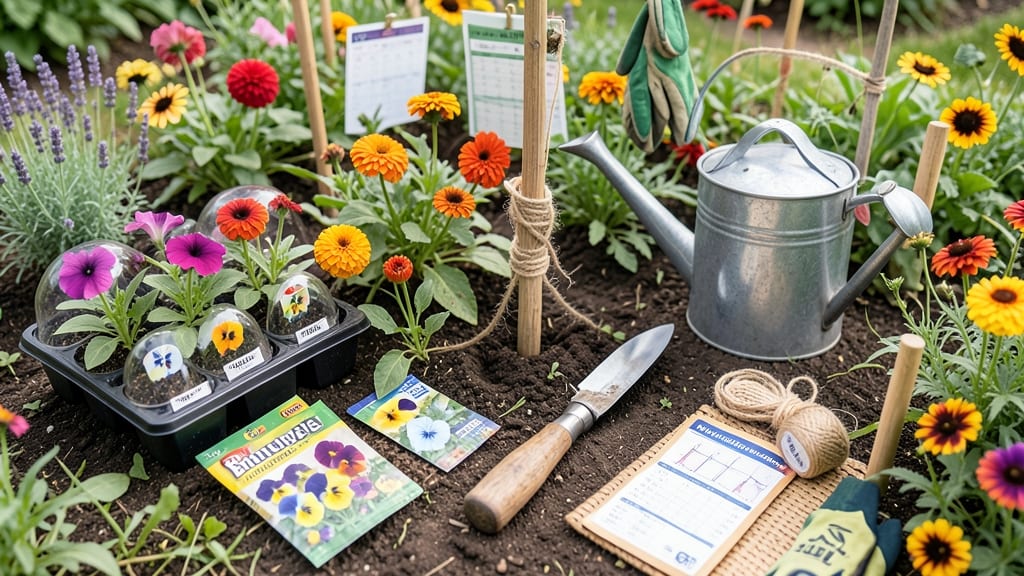
Knowing when to plant flowers in Zone 6B can transform your garden from a frost-burned disaster to a vibrant, year-round showstopper. With 165 frost-free days and unpredictable spring weather, timing is everything—plant too early, and you risk losing tender seedlings to late frosts.
Most gardeners in Zone 6B focus on spring planting, but fall offers a secret weapon for zero-frost success.
Whether you're sowing annuals after the last frost (typically around April 15) or prepping perennials 6-8 weeks before the first frost (October 15), the right schedule ensures your 🌸 thrive when conditions are ideal.
In this guide, I’ll break down the exact planting windows for annuals, perennials, and bulbs—plus the critical mistakes that sabotage even the most well-intentioned gardeners. You’ll learn how to stretch your bloom season, protect delicate plants, and choose varieties that handle Zone 6B’s climate like a pro.
Ready to turn your garden into a year-round floral masterpiece? Let’s dive into the perfect planting calendar tailored just for you.
Zone 6B flower planting calendar: exact spring vs. fall timing by month
Zone 6B’s 165 frost-free days create a narrow window for planting flowers, but timing can transform your garden from ho-hum to showstopping. The key? Planting after April 15 (last frost) for spring blooms and 6-8 weeks before October 15 (first frost) for fall success.
Let’s break it down by month to avoid frost-killed dreams.
Spring planting in Zone 6B starts after the last frost, typically mid-April to mid-May. For tender annuals like marigolds or petunias, wait until soil temperatures hit 60°F+. Meanwhile, cold-hardy perennials like coneflowers can go in as early as March once the ground thaws.
Fall planting? Aim for August to early September—this gives roots time to establish before winter.
🌱 Pro Tip: Use a soil thermometer to confirm readiness. Soil should be at least 50°F for perennials and 60°F for annuals before planting.
📅 Zone 6B Flower Planting Calendar
| Month | Planting Window | Best Flowers | Notes |
|---|---|---|---|
| March | Late March (hardy perennials) | Peonies, Lavender, Catmint | Plant after frost risk passes. |
| April | Mid-April (after last frost) | Tulips, Dahlias, Snapdragons | Wait for soil to warm to 50°F+. |
| May | May (heat-tolerant annuals) | Zinnias, Sunflowers, Cosmos | Direct sow after May 15. |
| August | Early August (fall bloomers) | Asters, Chrysanthemums, Pansies | Plant 8 weeks before frost. |
| September | Late August–Early Sept | Sweet Alyssum, Calendula, Stock | Avoid planting after Sept 15. |
June is your succession planting month—replace early bloomers like pansies with heat-loving zinnias or cosmos to keep color going. For bulbs, plant fall-blooming crocuses in September for spring surprises. Just avoid planting anything after September 15, or you’ll risk frost damage.
🌿 Zone 6B Secret: Use row covers to extend your spring planting window by 2-3 weeks. This protects tender seedlings from late frosts while keeping soil warm.
Fall planting is all about root establishment. Choose cold-hardy annuals like pansies or snapdragons, which thrive in cool weather. Perennials planted in fall (e.g., black-eyed Susans) have time to develop deep roots before winter dormancy. Mulch heavily after planting to insulate roots from temperature swings.
💡 Heat Hack: For late-season blooms, opt for heat-tolerant varieties like celosia or portulaca. These handle Zone 6B’s summer heat waves better than traditional annuals.
Timing isn’t just about months—it’s about soil conditions. Test your soil’s temperature and moisture before planting. Cold, soggy soil stunts growth, while dry, overheated soil can kill seedlings. Aim for moist but well-draining soil with temperatures above 50°F for perennials and 60°F for annuals.
✂️ Final Tip: Mark your calendar for April 15 (last frost) and October 15 (first frost). These dates are your planting guardrails—stay within them, and your Zone 6B garden will reward you with bold, long-lasting blooms.
Best flowers to plant in zone 6B spring vs. fall for year-round color
Zone 6B’s 165 frost-free days demand smart flower choices to maximize blooms year-round. The right varieties thrive in spring’s cool starts and fall’s crisp finishes, while others flop under Zone 6B’s hot summers or early frosts. Let’s match flowers to seasons for nonstop color.
Spring-planted annuals like petunias and geraniums need warm soil (60°F+) to germinate, so wait until mid-April after last frost. Perennials like bee balm and black-eyed Susans can go in as early as March—their cold-hardy roots establish quickly.
For bulbs, plant tulips and daffodils in fall (October) for spring blooms.
🌸 Spring vs. Fall Flowers for Zone 6B
Spring Planting
Fall Planting
For year-round color, combine spring annuals (e.g., cosmos) with fall perennials (e.g., sedum) and bulbs (e.g., alliums). Self-seeding flowers like lupines or coreopsis are low-maintenance winners—they rebloom yearly without replanting.
🌿 Zone 6B Hack: Plant heat-tolerant annuals like portulaca or celosia in late May to fill summer gaps left by fading spring blooms. These thrive in 90°F+ heat, unlike traditional petunias.
Fall’s cool nights bring out pansies and snapdragons, which bloom until frost. For perennials, Russian sage and goldenrod handle Zone 6B’s temperature swings effortlessly. Bulbs like crocuses planted in September reward you with early spring blooms before annuals even sprout.
✂️ Pro Tip: Group flowers by height and bloom time for continuous color. Tall delphiniums (spring) pair with sunflowers (summer), while low-growing ajuga (spring) transitions to pansies (fall). This creates a seamless seasonal tapestry.
💡 Final Insight: Zone 6B’s short growing season means prioritize perennials (they return yearly) and succession plant annuals every 2-3 weeks for nonstop blooms. With the right mix, your garden stays lush from May to October—and even winter interest with ornamental grasses or evergreen shrubs.