
Flowers
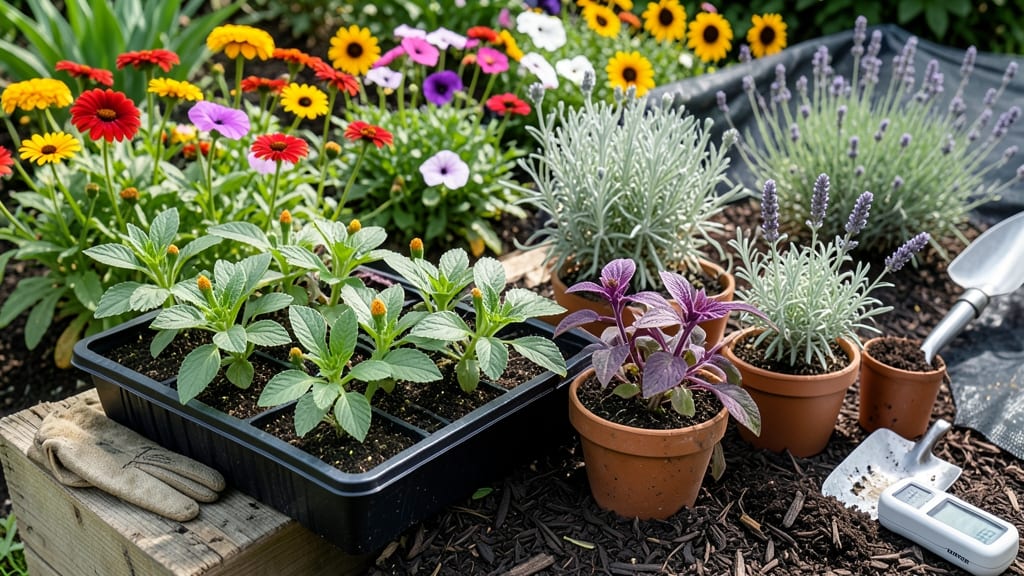
Knowing when to plant flowers in Zone 8 can mean the difference between a garden bursting with color and one that struggles to take root. With 240 frost-free days, Zone 8 gardeners have a unique advantage—but timing still matters more than you might think.
Planting too early can leave delicate seedlings vulnerable to unexpected chills, while waiting too long risks stunted growth before summer’s heat sets in. The key is understanding which flowers thrive in cool spring soil versus those that need warm earth to flourish.
In this guide, I’ll break down the perfect planting windows for both spring and fall, so you can enjoy blooms from early spring through late autumn. Whether you’re a seasoned gardener or just starting, these insights will help you avoid common mistakes and create a vibrant, year-round display of 🌸.
From cool-season favorites to heat-loving annuals, we’ll cover everything you need to know to make the most of Zone 8’s generous growing season—without wasting a single seed.
Optimal flower planting times in Zone 8: spring vs fall calendar breakdown
Zone 8’s 240 frost-free days give you flexibility, but timing still matters. Planting cool-season flowers too late or warm-season blooms too early can stunt growth or invite pests. My garden thrives when I follow these month-by-month deadlines based on soil temperatures and microclimates.
For spring planting, aim for 60-90 days before your last frost date (typically March 15). This ensures seedlings mature before summer heat arrives. Fall planting should happen 8-10 weeks before first frost (usually November 15) to establish roots before winter dormancy.
🌱
Zone 8 Flower Planting Timeline
| Season | Plant Type | Ideal Planting Window | Soil Temp Threshold | Key Notes |
|---|---|---|---|---|
| Spring | Cool-Season Annuals | February–March | 50–60°F | Pansies, Snapdragons, Lettuce |
| Spring | Warm-Season Annuals | April–May (after frost) | 60–70°F | Marigolds, Zinnias, Sunflowers |
| Summer | Heat-Tolerant Annuals | June–July | 70–80°F | Portulaca, Lantana, Celosia |
| Fall | Cool-Season Annuals | August–September | 60–70°F | Alyssum, Calendula, Kale |
| Fall | Perennials/Bulbs | September–October | 55–65°F | Dahlias, Tulips, Lavender |
🌡️ Pro Tip: Use a soil thermometer to confirm readiness—60°F+ for warm-season plants, 50°F+ for cool-season.
My coastal Zone 8 gardens (like San Diego) can plant warm-season flowers as early as February, while inland areas (e.g., Phoenix) should wait until April to avoid late frosts. Always check your local microclimate—valleys stay cooler longer than hilltops.
For spring-blooming bulbs like tulips, plant in October–November so roots establish before winter. Summer-blooming bulbs (e.g., dahlias) go in April after soil warms. I’ve learned the hard way that rushing bulbs leads to floppy stems or no blooms!
🌻
Stagger your plantings every 2–3 weeks for continuous blooms. For example, plant marigolds in April, June, and August to enjoy color all summer. Succession planting also works for cool-season flowers—sow pansies in February and September for spring and fall displays.
Always harden off seedlings for 7–10 days before transplanting, especially when moving from indoor starts to outdoor beds. Skip this step, and you’ll end up with shocked, leggy plants that struggle to recover.
💧
Water deeply after planting to settle roots, then reduce frequency as plants establish. Mulch with 2–3 inches of organic matter (straw or shredded leaves) to retain moisture and regulate soil temperature. In Zone 8’s humidity, mulch also prevents fungal diseases like powdery mildew.
Finally, keep a planting journal to track what thrives in your specific Zone 8 pocket. Note bloom times, <
Optimal flower planting times in Zone 8: spring vs fall calendar breakdown
Zone 8’s 240 frost-free days give you a long window to grow flowers—but timing matters. Planting too early risks cold soil, while waiting too late can shorten bloom cycles. The key is understanding cool-season vs warm-season flowers and their ideal soil temperatures.
For cool-season flowers like pansies and snapdragons, aim for early spring (February-March) or fall (September-October). These thrive when soil temps stay below 70°F.
In contrast, warm-season favorites such as zinnias and marigolds need soil temps above 60°F, so wait until after your last frost date (typically mid-March).
Don’t overlook fall planting—it’s my favorite trick for early spring blooms. Plant perennials in September so they establish roots before winter. For annuals like cosmos, sow seeds in late summer (August) for a winter-to-spring show.
Just be mindful of humidity levels in Zone 8’s fall, which can encourage fungal diseases.
Pro tip: Use a soil thermometer to check temps before planting. For warm-season flowers, wait until soil hits 65°F—this prevents seed rot. In cooler microclimates (like higher elevations in Zone 8), push planting dates 2-3 weeks later to avoid early frosts.
Zone 8’s long growing season means you can even stagger plantings for continuous blooms. Try planting marigolds in April and again in August for a summer-to-fall extension. Just remember: water deeply after planting to help roots establish, especially in hot Zone 8 summers.
Finally, mark your calendar for November 15—this is your last call for fall plantings before winter dormancy sets in. With these timing tips, you’ll enjoy vibrant blooms from spring through fall without the guesswork.