
Plants
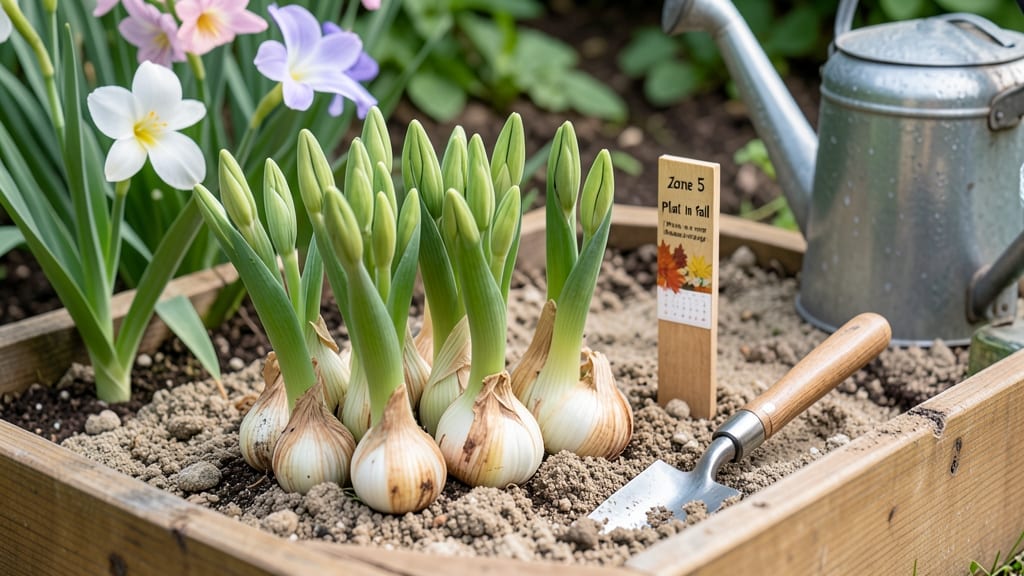
Timing when to plant Freesia bulbs in Zone 5 isn’t just about avoiding frost—it’s about matching their chill-hour needs to your local climate. Plant too early, and they’ll rot; too late, and you’ll miss those fragrant spring blooms entirely.
The key lies in understanding your microclimate and when the soil actually warms up.
Most gardeners in Zone 5 rush to plant Freesia bulbs as soon as the calendar hits September, but that’s a recipe for failure. The real secret? Waiting until the soil temperature consistently stays above 50°F—usually 6-8 weeks before your first frost, not just when the air cools down.
This simple adjustment can mean the difference between a thriving garden and wasted effort.
In this guide, I’ll break down exactly when to plant—plus the 3 biggest mistakes Zone 5 gardeners make (and how to avoid them). You’ll learn how to read your local frost dates, adjust for urban heat islands, and even extend your Freesia season with simple row covers.
Let’s get those bulbs in the ground at the perfect moment.
Ready to transform your spring garden with bold, fragrant Freesia blooms? The timing starts now—and it’s easier than you think.
Zone 5 Freesia planting timeline: chill-hours and frost dates explained
Freesia bulbs thrive in Zone 5 when planted at the perfect moment—6-8 weeks before your average first frost date. For most of Zone 5, this means aiming for mid-September to early October, but timing varies by microclimate and chill-hour needs.
Freesias need 10-15 weeks of cool soil temperatures (below 60°F) to develop strong roots before winter dormancy. Planting too early risks premature sprouting, while late planting may delay blooms until summer heat arrives.
Zone 5’s first frost typically hits mid-October, but your exact date depends on elevation and location. For example, Chicago’s average first frost is October 15, while Pittsburgh’s is October 25.
Use your local USDA Plant Hardiness Zone Map to pinpoint your frost date, then count backward 8 weeks for ideal planting. In warmer microclimates (like urban heat islands), you may need to plant 2 weeks earlier to avoid heat stress.
Soil temperature is the critical factor for freesia success. Bulbs should go into cooler soil (50-60°F) to trigger root growth without sprouting too soon. Test your soil with a soil thermometer—if it’s above 65°F, wait a week or two.
In Zone 5’s late summer, soil can still be warm, so September planting is safest for most gardeners. If you’re in a cooler pocket (higher elevation or northern exposure), you might plant as early as late August.
Here’s how to match chill-hours to your Zone 5 location:
- Northern Zone 5 (e.g., Minneapolis): Aim for late September to avoid early frosts.
- Southern Zone 5 (e.g., Nashville): Plant by mid-September to ensure enough chill time.
- Urban areas (heat islands): Plant 2 weeks earlier (early September) to compensate for warmer soil.
🌱 Early vs. Late Freesia Planting in Zone 5: Risks Compared
| Factor | Early Planting (Before Mid-Sept) | Ideal Planting (Sept-Oct) | Late Planting (After Oct 1) |
|---|---|---|---|
| Root Development | Weak; bulbs may sprout too soon | Strong; optimal chill-hours | Delayed; smaller blooms |
| Frost Risk | High (tender shoots) | Low (established roots) | Moderate (smaller plants) |
| Bloom Time | Late summer (heat stress) | Late spring (ideal) | Early summer (smaller flowers) |
| Bulb Survival | Lower (rot risk) | High (hardy) | Moderate (smaller bulbs) |
⏰ Pro Tip: Use a frost calendar for your city to fine-tune timing!
If you’re unsure about your local frost date, check your Almanac’s Frost/Freeze Tool or ask local gardeners. For example, Detroit’s first frost is October 10, so plant by mid-August to avoid early cold snaps.
In rural areas with colder nights, you can plant 1-2 weeks later than urban zones. Always plant freesias in well-draining soil—they hate soggy conditions, which can cause rot before winter.
Once planted, mulch heavily (3-4 inches) with straw or shredded leaves to insulate bulbs from temperature swings. This helps maintain consistent soil temps and protects against early frost heaves.
In Zone 5’s variable winters, mulch also prevents bulb desiccation during dry spells. Remove mulch in early spring once shoots emerge to allow warmth to stimulate growth.
For extended blooms, consider successive planting: divide your bulbs into two batches and plant one in late August and another in early October. This spreads out flowering from May to June, giving you a longer display.
Just ensure the later batch gets enough chill-hours—if your winter is mild, delay the second planting until November.
Remember, Zone 5’s unpredictability means flexibility is key. If a heatwave hits in September, delay planting until soil cools. If early frost threatens, cover new plantings with row fabric until roots establish. Freesias are forgiving if you adjust for local conditions, but timing is 80
Zone 5 Freesia planting timeline: chill-hours and frost dates explained
Planting Freesia bulbs in Zone 5 hinges on two critical factors: chill-hour requirements and soil temperature thresholds. Freesias need 6-8 weeks of cool soil (below 60°F) before blooming, but they’ll rot if planted in cold, wet ground.
Most Zone 5 gardeners miss the window because they focus on air temperature—not soil warmth.
Your first frost date (typically mid-October in Zone 5) sets the deadline. Count backward 6-8 weeks to land on your ideal planting window: late September to early October.
For example, if your first frost hits October 15, aim to plant by September 15-20 to give roots time to establish before winter.
Here’s the golden rule: Wait until soil temperatures consistently stay above 50°F at a depth of 4 inches. Use a soil thermometer for accuracy—planting in cooler soil delays blooming or causes rot. In urban areas, heat islands may push this window 1-2 weeks later than rural zones.
🌱 Early vs. Late Planting Risks for Freesia Bulbs in Zone 5
| Factor | Early Planting (Before Soil Warms) | Late Planting (After Frost Risk) |
|---|---|---|
| Root Growth | Stunted; cold soil slows development | Limited time to establish before winter |
| Frost Risk | Low (if soil is warm) | High; new growth may freeze |
| Bloom Time | Delayed until soil warms (late spring) | May not bloom until next year |
| Best For | Potted bulbs (easier to move) | Rural gardens with later frosts |
Zone 5’s microclimates can shift planting dates by 10-14 days. For instance, southern Zone 5 (e.g., northern Indiana) may plant 2 weeks earlier than northern Zone 5 (e.g., upstate New York). Check your local frost maps (like the National Weather Service) for precise dates.
If you’re unsure about your soil temperature, opt for late September planting. This gives bulbs time to root before winter while avoiding the rot risk of early planting. For container gardening, you can plant 1-2 weeks later since pots warm up faster than garden soil.
Remember: Freesias bloom in spring based on chill hours, not planting date. The earlier they root in warm soil, the sooner you’ll see those fragrant, trumpet-shaped blooms—usually May to June in Zone 5.
Timing isn’t just about avoiding frost; it’s about giving your bulbs the perfect chill-and-warm cycle for vibrant growth.