
Trees
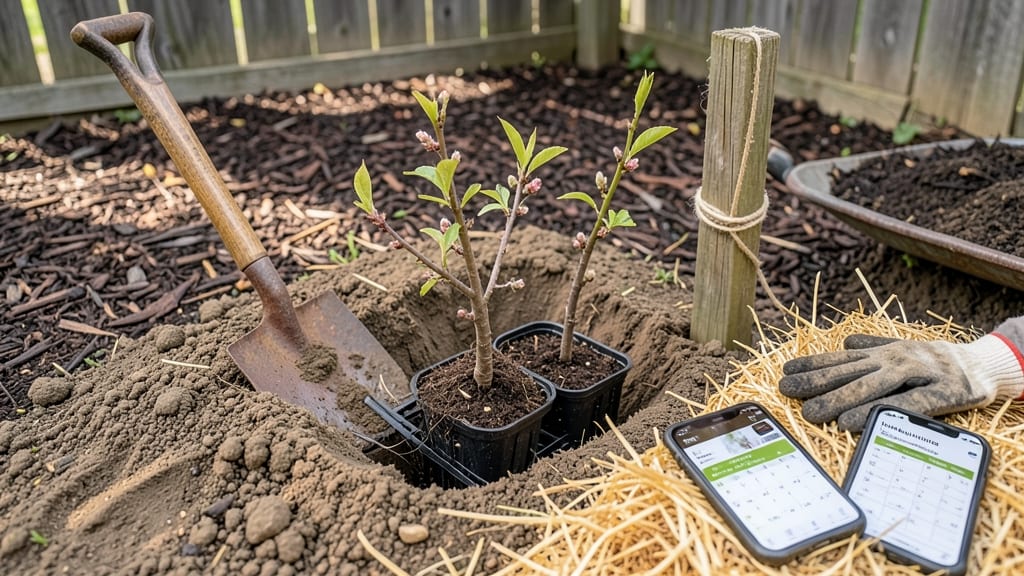
Timing your fruit tree planting in Indiana isn't just about the calendar—it's about matching the right variety to the chill hours your zone delivers. Plant too early, and frost will shock delicate roots; too late, and your tree might struggle to establish before winter.
The secret lies in Indiana's 5b-6b climate, where early spring (March-April) or early fall (September-October) creates the perfect window for strong root growth.
Imagine this: You've just planted a peach tree in June, only to watch it wilt under summer heat before it can take hold. That's why chill-hour requirements matter—apples need 800-1,200 hours below 45°F, while peaches thrive with 500-900 hours.
Indiana's climate gives you two ideal chances to get it right, but missing the mark could mean years of disappointment.
Here's what you'll discover: The exact month-by-month breakdown for Indiana's chill zones, plus which fruit trees (like tart cherries or Honeycrisp apples) align perfectly with local frost patterns.
We'll also cover soil prep tricks to help your 🍎 fruit trees beat transplant shock—because even the best timing won't save a tree planted in soggy soil.
Ready to turn your backyard into a year-round orchard? Let's break down the science behind Indiana's planting windows so you can choose the perfect moment for your trees to thrive—without the guesswork.
Best planting months in Indiana by chill-hour zones (5-8,000 hours)
Indiana’s climate spans USDA Zones 5b to 6b, meaning fruit trees need 500-8,000 chill hours to thrive. Planting at the wrong time can stunt growth or even kill young trees, so timing is critical.
The ideal windows are early spring (March-April) or early fall (September-October), when soil temps are cool but not frozen.
Spring planting lets trees establish roots before summer heat, while fall planting avoids summer stress. However, bare-root trees must be planted before buds swell, and container-grown trees can handle fall planting until October 15, Indiana’s average first frost date.
Let’s break down the best months by chill-hour needs and soil conditions.
| Planting Window | Chill-Hour Zone | Soil Temp | Frost Risk | Best For |
|---|---|---|---|---|
| Early Spring (March-April) | 5b-6b | 40-50°F | Low (after April 15) | Bare-root trees, apples, pears |
| Early Fall (September-October) | 5b-6b | 50-60°F | Moderate (before Oct 15) | Container-grown, peaches, cherries |
| Late Fall (November) | 5b-6b | Below 40°F | High (avoid) | Emergency only (bare-root) |
For northern Indiana (Zone 5b), focus on high-chill varieties like Honeycrisp apples (700+ chill hours) or Montmorency cherries (800+ chill hours). These need the extra cold to set fruit properly.
In southern Indiana (Zone 6b), low-chill varieties like Elberta peaches (300-500 chill hours) or Bartlett pears (400-600 chill hours) perform best.
Soil temperature is just as important as air temperature. Use a soil thermometer to confirm temps are above 40°F before planting. Cold soil slows root growth, leaving trees vulnerable to transplant shock. In March-April, aim for 40-50°F soil temps, while September-October should stay above 50°F.
Another key factor is dormancy timing. Trees planted in late fall (November) may not establish roots before frost, while those planted in late spring (May) miss early growth spurts.
I’ve seen peach trees planted in May struggle to bear fruit for 2-3 years longer than those planted in spring or fall.
Watering also shifts with timing. Newly planted trees in spring need deep watering weekly until roots establish (about 6-8 weeks). In fall, reduce watering as temps drop, but keep soil moist—not soggy—until frost. Overwatering in fall can rot roots before winter dormancy.
Pro tip: If you’re planting bare-root trees in spring, soak roots in water for 1-2 hours before planting to rehydrate them. For container-grown trees, gently loosen roots to encourage outward growth. Both methods reduce transplant shock, helping trees establish faster in Indiana’s variable climate.
Finally, mulch newly planted trees with 3-4 inches of organic mulch (like wood chips) to retain moisture and regulate soil temperature. Keep mulch 6 inches away from the trunk to prevent rot.
This simple step can mean the difference between a thriving tree and one that struggles in Indiana’s hot summers and cold winters.
Timing your fruit tree planting right ensures strong root growth, better fruit production, and years of healthy harvests. Get it wrong, and you might be dealing with stunted trees—or worse—for years to come. 🌳
Top 5 fruit trees for Indiana’s climate and when to plant them
Indiana’s chill-hour zones (ranging from 5,000 to 8,000 hours) make selecting the right fruit tree varieties critical. Planting at the wrong time—or with the wrong variety—can lead to poor fruit set or even tree death.
Here are the top 5 fruit trees that thrive in Indiana, along with their ideal planting windows and chill-hour matches.
For Indiana gardeners, apples and peaches are the most reliable choices, but cherries, pears, and plums also flourish with proper timing. Each variety has specific chill-hour needs, so matching your tree to your zone ensures strong root growth and abundant harvests.
When planting apples or pears, aim for early fall (September) to allow roots to establish before winter dormancy. These trees benefit from a 6-8 week root-growth window before the first frost.
For peaches and plums, late winter or early spring planting (February-March) ensures they’re ready to burst into growth as temperatures rise.
Indiana’s chill-hour requirements vary by region, so always check your specific zone before selecting a variety. For example, southern Indiana (Zone 6b) can handle peaches with 500+ chill hours, while northern Indiana (Zone 5b) may need apples with 800+ chill hours for reliable fruit production.
Pro tip: If you’re planting bare-root trees, do it as soon as they arrive—don’t let roots dry out. For container-grown trees, early fall planting gives roots time to adapt before winter. Always water deeply after planting to reduce transplant shock and encourage strong root development.
🌱