
Trees
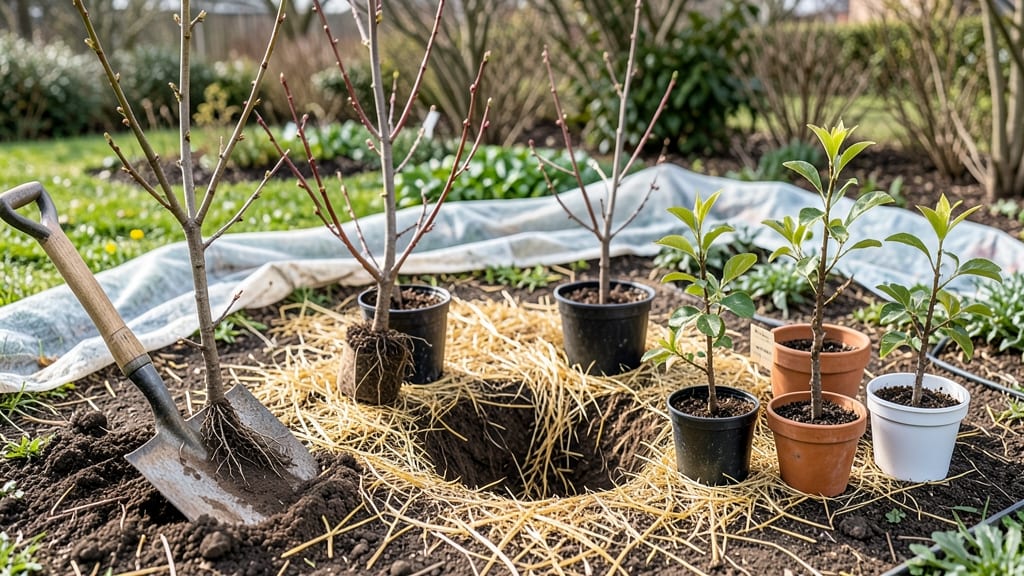
Timing your fruit trees 🍎 planting in Zone 5 isn't just about grabbing a shovel—it's the difference between a thriving orchard and a frozen disappointment. Plant too early, and frost will nip your saplings before they take root; too late, and they won't establish strong roots before winter hits.
I’ve learned the hard way that Zone 5’s unpredictable frost dates (May 15 for 5a, May 1 for 5b) demand precision.
Whether you’re planting bare-root trees in early spring or fall, matching your variety to chill-hour needs is the key—apples and pears need 500-1,000 hours below 45°F, while peaches thrive with fewer.
This guide breaks down the best windows—April-May for spring planting and September-October for fall—plus how to prep soil, protect young trees, and pick the right varieties for your microclimate. No more guesswork, just proven strategies for a fruitful harvest.
Ready to turn your backyard into a productive orchard? Let’s dive into the science and steps that’ll set your fruit trees 🍎 up for success—no matter how chilly Zone 5 gets.
Zone 5 fruit tree planting timeline: chill-hours and dormancy rules
Understanding chill-hours is the secret to success when planting fruit trees in Zone 5. These are the hours below 45°F (7°C) that trees need to break dormancy and bloom properly.
In Zone 5, most fruit trees require 400–1,000 chill-hours, but varieties vary—so choosing the right type matters more than you might think.
Zone 5’s last frost dates (typically May 1–15) and first frost dates (around October 15–30) create a narrow window for planting. Miss these, and your tree might struggle to establish roots before winter or suffer transplant shock in heat.
The key? Plant when the soil is workable but not frozen—usually early spring (April–May) or fall (September–October).
Here’s the science: Fruit trees enter dormancy in fall to survive cold, then need those chill-hours to trigger spring blooms. Plant too early, and roots may dry out; too late, and the tree won’t harden off before winter. Balance is everything.
🌱
| Planting Window | Soil Temp | Chill-Hours Needed | Best Varieties |
|---|---|---|---|
| Early Spring (April–May) | 45–55°F (7–13°C) | 400–800 | Apples, Pears, Cherries |
| Fall (September–October) | 50–60°F (10–16°C) | 600–1,000 | Plums, Peaches, Apricots |
| Avoid Planting | Below 40°F (4°C) or Above 80°F (27°C) | N/A | Any (transplant shock risk) |
*Chill-hours vary by variety; check labels for exact needs.
Spring planting (April–May) gives trees 6–8 weeks to establish roots before summer heat. Fall planting (September–October) lets them settle before winter, but avoid late fall—soil may freeze before roots take hold. Pro tip: Bare-root trees planted in fall need mulch protection to insulate roots.
Not all fruit trees thrive equally in Zone 5. Stone fruits like peaches and cherries need 500+ chill-hours, while apples and pears often tolerate 400–600 chill-hours. Matching your tree to your zone’s chill-hours prevents poor blooming or no fruit.
For example, a Honeycrisp apple (600 chill-hours) will do better than a Elberta peach (800 chill-hours) in Zone 5a.
Local microclimates can shift planting windows by 1–2 weeks. A south-facing slope warms faster than a north-facing yard, so adjust timing accordingly. Use a soil thermometer to confirm soil temps—50°F (10°C) is ideal for root growth. If temps drop below 40°F (4°C), roots slow down or freeze.
One common mistake? Planting container-grown trees in summer. Their roots circle the pot and struggle to adapt. Instead, opt for bare-root trees in spring or early fall—they establish faster. Water deeply after planting to eliminate air pockets, then mulch to retain moisture and regulate soil temps.
Remember: Dormant trees (fall/winter) are easier to plant than actively growing ones. Their roots aren’t competing with leaves for resources, so they focus on establishing below ground. This is why fall planting is often preferred for Zone 5 gardeners.
🌿
Zone 5 fruit tree planting timeline: chill-hours and dormancy rules
Understanding chill-hours is the secret to success when planting fruit trees in Zone 5. These are the hours below 45°F (7°C) that trees need to break dormancy and bloom properly.
Most Zone 5 fruit trees require 500-1,000 chill-hours, but some varieties thrive with fewer—critical for avoiding poor fruit set or winter damage.
Zone 5’s last frost dates (May 15 for 5a, May 1 for 5b) and first frost dates (October 15 for 5a, October 30 for 5b) create a tight window for planting.
Planting too early risks frost heave (roots lifting from freezing/thawing cycles), while late planting leaves trees vulnerable to winter desiccation or insufficient root establishment.
🌱 Zone 5 Fruit Tree Planting Summary
| Stage | Action | Chill-Hours Needed | Best Months |
|---|---|---|---|
| Early Spring | Plant bare-root trees; roots should be moist | 500-1,000+ | April-May |
| Fall | Plant before ground freezes; mulch heavily | 500-800 | September-October |
| Avoid | Planting when soil is frozen or waterlogged | N/A | November-March |
For early spring planting (April-May), focus on apples, pears, and cherries, which benefit from cool soil temperatures. These trees enter dormancy naturally, reducing transplant shock. Peaches and plums, however, need 500-800 chill-hours and are better suited for fall planting to ensure they meet their chill requirements before winter.
Fall planting (September-October) gives trees time to establish roots before winter, but avoid planting after October 15 in Zone 5a or October 30 in Zone 5b. Late fall plantings risk root damage from freeze-thaw cycles and insufficient root growth before dormancy sets in.
Always check your local USDA frost maps for precise dates in your microclimate.
Soil temperature is just as critical as air temperature. Plant when soil is above 40°F (4°C) but below 80°F (27°C). Use a soil thermometer to monitor—ideal temps accelerate root growth without stressing the tree. Amend your soil with compost or well-rotted manure before planting to improve drainage and fertility.
Pro tip: If you’re planting dwarf or semi-dwarf varieties, prioritize early spring planting. Their smaller root systems establish faster in cool soil, giving them a head start for fruit production in 2-3 years instead of 5-7 years for standard varieties.
Always water deeply after planting to eliminate air pockets around roots.