
Trees
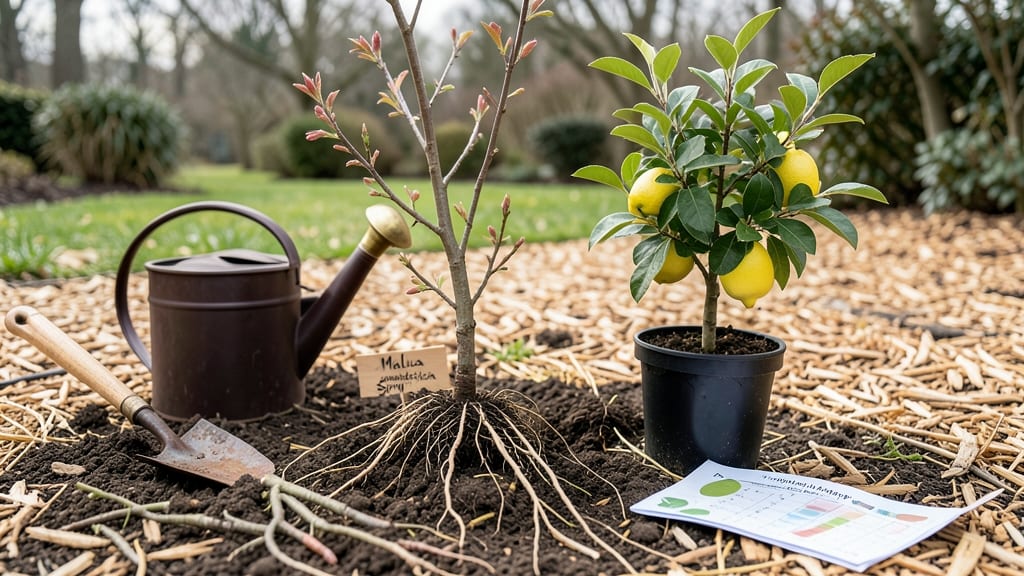
Planting fruit trees in Northern California at the wrong time can mean the difference between a thriving orchard and years of frustration—especially with our region’s tricky microclimates. Whether you’re in Sacramento’s 7b zone or San Francisco’s milder 9a, timing matters more than you might think. Miss the ideal window, and your trees could struggle with poor root establishment or frost damage, leaving you with sparse harvests (or worse, dead branches).
But here’s the good news: when you plant correctly, your 🍎 fruit trees can flourish for decades, producing bumper crops of peaches, apples, and citrus. The secret? Understanding Northern California’s unique frost patterns, soil prep needs, and variety-specific planting windows.
Let’s break down the best months to plant—whether you’re working with bare-root saplings or container-grown trees—and how to set them up for success from day one.
From stone fruits that need winter dormancy to citrus trees that hate frost, each type has its own rhythm. We’ll cover the critical mistakes to avoid (like planting too late or ignoring soil pH) and share pro tips for coastal vs. inland areas.
By the end, you’ll know exactly when to dig in for lush growth and bountiful harvests—no guesswork required.
Ready to turn your backyard into a productive orchard? Let’s get started with the planting schedule that’ll make all the difference in Northern California’s diverse climate.
Optimal planting months for fruit trees in Northern California’s climate zones
Northern California’s diverse microclimates—from coastal fog belts to hot inland valleys—create unique challenges for fruit tree planting. The key is aligning your schedule with the tree’s dormancy cycle and your local frost dates.
For most regions (USDA Zones 7b-9a), the best window is November through March, when trees are dormant and soil is workable.
Coastal areas like San Francisco and Santa Cruz (Zone 9a-10a) enjoy milder winters, allowing container-grown trees to be planted through early spring (March-April). Inland zones like Sacramento or Fresno (Zone 7b-8a) demand earlier planting (November-December) to avoid late-winter frosts that can damage emerging buds.
🌱Bare-root trees (most common for stone fruits like peaches and plums) must be planted during dormancy—typically November to February. Container-grown trees offer more flexibility but still thrive when planted in cool, moist soil before active growth begins.
🌿Citrus trees (like lemons or oranges) are exceptions—they hate frost and should be planted in spring (March-April) in colder inland zones. In coastal areas, they can handle fall planting (October-November) if frost isn’t a risk.
📅Frost risk is your biggest enemy. Inland areas like Sacramento often see last frosts in February, while coastal San Francisco may escape frost entirely. Always check your local frost dates and plant at least 4-6 weeks before the average last frost to give roots time to establish.
🪴Soil preparation is just as critical as timing. Northern California’s soils often lack organic matter and can be clay-heavy in valleys or sandy near coasts.
Amend with compost and well-rotted manure 4-6 weeks before planting. For citrus, adjust soil pH to 6.0-7.0; stone fruits prefer 5.5-6.5.
🌡️Temperature matters: Avoid planting when soil temps exceed 75°F or drop below 40°F. Container-grown trees can handle slight deviations, but bare-root trees will suffer if roots dry out or freeze.
Northern California Planting Windows by Zone & Tree Type
| Zone & Region | Best Planting Months | Tree Types | Key Considerations |
|---|---|---|---|
| 7b (Sacramento, Stockton) | November–February | Peaches, Plums, Cherries, Almonds | Last frost: Feb 15; amend clay soil |
| 8a (Modesto, Davis) | November–March | Apples, Pears, Figs, Walnuts | Frost risk until March 1; well-draining soil |
| 9a (San Francisco, Santa Rosa) | November–April | Citrus, Olives, Persimmons, Pomegranates | Mild winters; avoid coastal fog pockets |
| 10a (Coastal: Monterey, Santa Cruz) | October–March | Avocados, Citrus, Figs, Subtropicals | No frost; plant in cooler months |
🌱 Pro Tip: Test soil moisture before planting—dry soil in Valley regions may require pre-watering.
🌳Nut trees like walnuts or almonds need deep, well-drained soil and should be planted in late winter (February-March) in colder zones. Dwarf varieties adapt better to urban gardens and can be planted slightly later than standard trees.
✂️Pruning young trees isn’t required at planting but helps shape growth. Focus on removing dead or crossing branches and opening the center for airflow. For bare-root trees, trim roots by 1-2 inches if they’re circling or damaged before planting.
💧Watering strategy
Best fruit tree varieties to plant by season in Northern California
Northern California’s diverse climate—from coastal fog to inland heat—means not all fruit trees thrive year-round. Some varieties, like peaches and apricots, need the dormant winter months to set buds, while others, like figs and pomegranates, prefer milder early spring planting.
Understanding these seasonal preferences ensures your trees grow strong and produce fruit reliably.
For stone fruits (peaches, plums, cherries), the best time to plant is late fall to early winter (November–January). These trees enter dormancy naturally, reducing transplant shock.
Meanwhile, citrus trees (oranges, lemons, limes) should go in the ground by late winter (February–March) to avoid frost damage, especially in inland areas like Sacramento.
If you’re in coastal zones (e.g., San Francisco), you can plant container-grown trees almost year-round, but aim for early spring (March–April) to take advantage of mild temperatures and consistent rainfall. Inland areas, however, should stick to dormant-season planting to prevent heat stress.
Here are the top-performing varieties and their ideal planting windows for Northern California:
- 🍑 Peaches & Nectarines – Plant November–January (bare-root) or February–March (container). Thrive in inland zones (7b–9a) but avoid coastal fog.
- 🍊 Citrus (Oranges, Lemons) – Best planted February–March to escape late frosts. Use dwarf varieties for containers in cooler areas.
- 🍇 Figs – Plant March–April (coastal) or November–December (inland). Hardy and drought-tolerant once established.
- 🍎 Apples & Pears – Ideal for November–January planting. Choose cold-hardy varieties like ‘Granny Smith’ for inland zones.
- 🌰 Persimmons – Plant fall (October–November) for best root establishment. Tolerates USDA Zone 7b–10a.
- 🥜 Walnuts & Almonds – Best planted November–December as bare-root. Requires deep, well-draining soil.
Each of these varieties has been tested for Northern California’s conditions, whether you’re in Sacramento’s heat or San Francisco’s coastal breeze. For example, ‘Elberta’ peaches do well in Zone 7b, while ‘Meyer lemon trees thrive in Zone 9a with protection from winter chills.
When selecting varieties, also consider pollination needs—some trees, like peaches, require a second variety for cross-pollination. Pairing ‘Springcrest’ with ‘Redhaven’ peaches, for instance, ensures better fruit set. Always check the USDA Zone and chilling hour requirements for your specific location to avoid disappointment.
Ready to pick the perfect tree for your microclimate? Start by matching the variety to your planting season and local frost patterns. With the right choice, you’ll be enjoying homegrown fruit in just a few years—no waiting decades! 🌱