
Trees
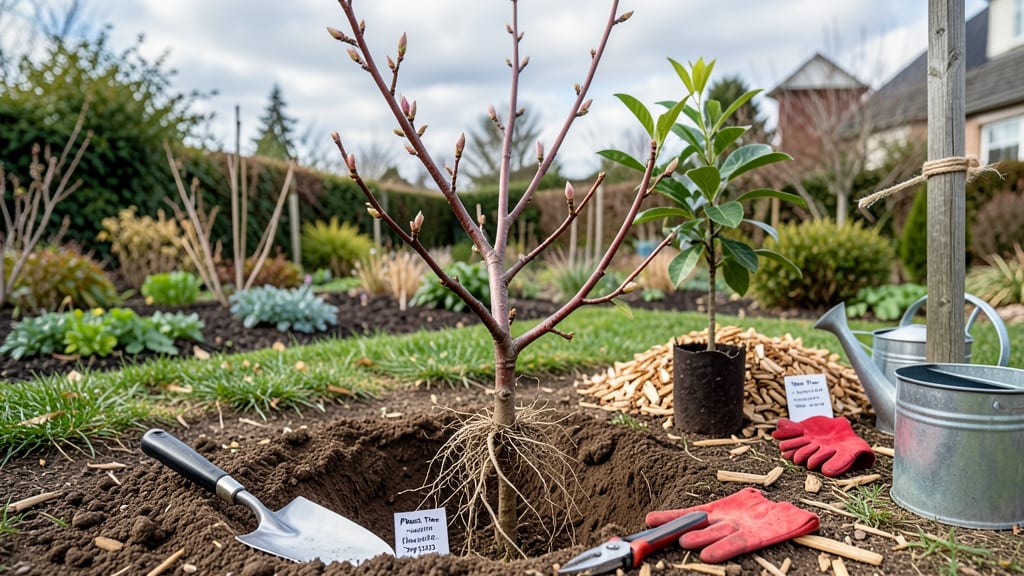
Timing your fruit tree planting in South Australia could make or break your harvest—get it wrong, and you risk frost damage or stunted growth before your 🍎 even takes root.
The key lies in understanding the 8a-10a climate zones and their unique frost patterns, where Adelaide’s cooler nights clash with Riverland’s heatwaves.
Most gardeners swear by late autumn to early spring (March–August) as the sweet spot, but regional microclimates twist the rules. For example, Adelaide’s frost-prone valleys demand earlier planting, while the Riverland’s warmer soils let you stretch into May.
The trick? Align your schedule with soil temperatures and rainfall trends to give roots the best shot at survival.
You’ll learn how to read frost forecasts, pick the right tree varieties for your patch of South Australia, and avoid the costly mistakes that turn hopeful saplings into sad statistics. Whether you’re dreaming of backyard peaches or citrus groves, these climate-smart strategies will set you up for success.
Let’s break down the exact months to plant, plus pro tips for soil prep and post-planting care—so your fruit trees don’t just survive, but thrive. Ready to get growing?
Best months to plant fruit trees in South Australia’s climate zones
South Australia’s diverse climate—from the cool Adelaide Hills to the hot Riverland—means your fruit tree planting window depends heavily on where you live.
In cooler regions like the Fleurieu Peninsula, you can plant as early as March, while the Eyre Peninsula often waits until April to avoid late-season heat stress. The key is aligning your planting with soil temperatures and frost risk, which vary dramatically across the state.
For most of South Australia, the ideal planting months are March through May, when soil is warm enough for roots to establish but temperatures haven’t peaked. This window avoids the summer heat stress that can shock young trees and the winter frosts that threaten tender varieties like citrus.
Even in the Riverland, where summers are intense, planting in late autumn (May) gives roots time to settle before the next growing season.
Bare-root trees—common in nurseries—should be planted in June through August when they’re dormant, but container-grown trees (like citrus or figs) handle autumn planting (March-May) better. The difference? Bare-root trees need moist soil to re-establish roots quickly, while container-grown trees adapt more easily to autumn’s cooler temperatures.
Always check the last frost date for your area: Adelaide typically sees its last frost in late September, but the Adelaide Hills can frost as late as October.
| Region | Best Planting Months | Key Considerations | Soil Temp Goal (°C) |
|---|---|---|---|
| Adelaide Hills | March–May | Frost risk after May; prioritize frost-hardy varieties like apples or pears. | 10–15°C |
| Riverland | April–June | Avoid summer heat; citrus and stone fruits need extra water. | 12–18°C |
| Fleurieu Peninsula | March–April | Cooler microclimates; figs and cherries thrive here. | 8–12°C |
| Eyre Peninsula | April–May | Dry winds; mulch heavily and water deeply. | 10–14°C |
If you’re planting in Adelaide’s urban areas, consider the microclimate of your street. North-facing yards stay warmer longer, while south-facing spots can mimic the Adelaide Hills’ cooler temps.
For example, a citrus tree in a north-facing Adelaide garden might handle April planting, but the same tree in the Adelaide Hills would need to wait until May to avoid frost damage.
Always dig a soil moisture test hole (15cm deep) before planting—if the soil is dry, wait a week or two.
Rainfall also plays a role. The Fleurieu Peninsula gets reliable autumn rains, making March planting ideal, while the Eyre Peninsula’s low rainfall means you’ll need to irrigate regularly after planting.
In drier regions, soak the planting hole before inserting the tree and add hydration gel to the backfill soil to retain moisture. For container-grown trees, remove them from pots and loosen the root ball to encourage root spread into the native soil.
One common mistake I see is planting stone fruits (peaches, plums) too early in the Riverland. These trees need chilling hours (below 7°C) to fruit well, and planting in February can lead to poor yields.
Stick to April–May for these varieties, and choose low-chill cultivars like ‘Redhaven’ peaches if your area has mild winters. Always check the chilling requirement on the nursery tag—it’s non-negotiable for stone fruits.
For citrus trees, the Riverland is perfect, but timing matters. Plant in April–May to avoid the summer heatwave that can stress young trees. Citrus roots are shallow, so mulch with organic matter (straw or wood chips) to keep soil temperatures stable.
In cooler regions like the Adelaide Hills, citrus needs a protected microclimate—plant near a north-facing wall or under a cloche during winter.
Pro tip: If you’re unsure about your local frost risk, use the BOM (Bureau of Meteorology) frost forecast for your suburb. For example, Mount Lofty in the Adelaide Hills averages 3–5 frost nights per year, while Berri in the Riverland rarely frosts.
This data helps you decide whether to plant tender citrus or hardy apples. Always plant 2–3 weeks before the
Best months to plant fruit trees in South Australia’s climate zones
South Australia’s diverse climate zones—from the Adelaide Hills to the Riverland’s heat—mean your planting window isn’t one-size-fits-all. While most gardeners aim for March to August, cooler highland areas like McLaren Vale can push planting into May, while the Riverland’s warmer soils allow earlier starts in February.
The key is matching your location’s last frost date (typically late September) with soil temperatures above 10°C (50°F).
In the Adelaide Plains, where frosts linger until early May, prioritize bare-root trees in June-August to avoid winter dormancy stress. Meanwhile, the Eyre Peninsula, with its milder winters, lets you plant container-grown trees as late as April.
Always check the Bureau of Meteorology’s frost forecasts—a single late frost can turn your investment into a sad statistic.
🌱Pro Tip: Dig a soil temperature gauge into your garden bed. If it reads below 12°C (54°F), wait a week—cold soil stunts root growth.
🌿 South Australia’s Planting Windows by Region
| Region | Best Planting Months | Key Considerations |
|---|---|---|
| Adelaide Hills | March–May | Frost-prone; choose late-flowering varieties like apple or pear. |
| Riverland | February–April | Warmer soils; ideal for citrus and stone fruits. |
| Fleurieu Peninsula | March–April | Coastal breezes; mulch heavily to retain moisture. |
| Eyre Peninsula | February–May | Milder winters; dwarf varieties thrive here. |
📌 Note: Container-grown trees can be planted 1 month later than bare-root.
For citrus trees, like lemon or mandarin, aim for autumn planting (March–April)—they hate frost and need time to establish deep roots before winter. Stone fruits (peaches, plums) prefer late winter (August–September) when chilling requirements are met.
Always amend soil with compost or gypsum (for clay soils) before planting—South Australia’s alkaline soils can stunt root growth if ignored.
💡 Local Expert Tip: Contact your nearest Pirsa (Primary Industries and Regions SA) office for region-specific soil tests—they often offer discounted pH testing to help you tweak your soil for fruit trees.
After planting, water deeply (10–20 gallons per tree) and mulch with pea straw to lock in moisture. In Adelaide’s cooler zones, a windbreak fence can shield young trees from late-winter frosts.
With the right timing and care, your fruit trees will reward you with harvests for decades—so pick your month wisely!