Planting
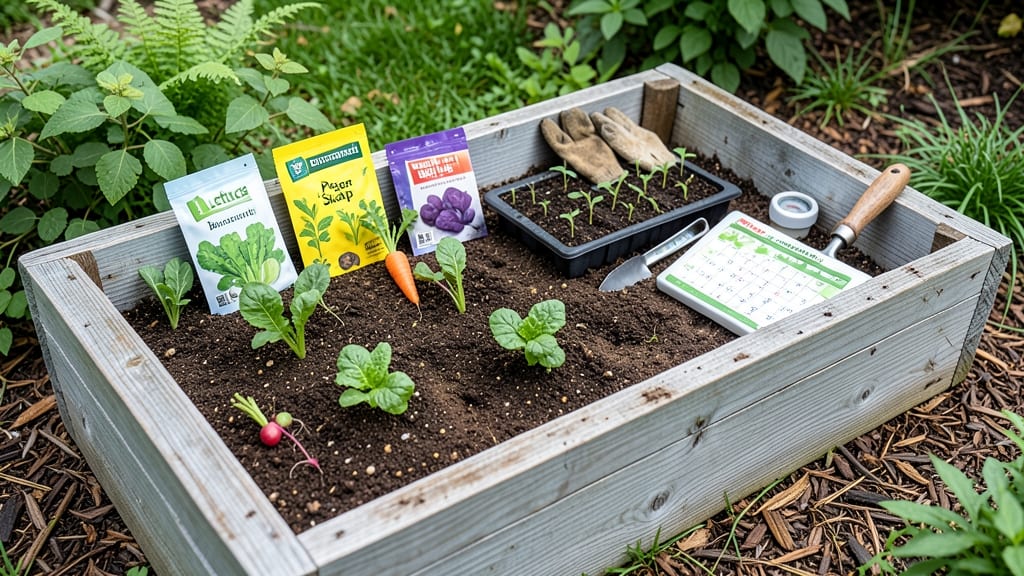
Figuring out when to plant a garden in Oregon feels like solving a puzzle with shifting pieces—coastal fog delays one region while high-desert heat rushes another. But get the timing right, and you’ll enjoy a garden that thrives all season long, not one that fizzles out before summer even arrives.
Oregon’s microclimates mean your neighbor’s perfect harvest might be your failed experiment if you don’t account for elevation or proximity to the Pacific.
Whether you’re in Portland’s mild valleys or Bend’s cooler highlands, the key is knowing when to start seeds indoors, when to transplant, and how to work with Oregon’s famously unpredictable weather.
I’ve spent years tracking frost dates and testing planting schedules across the state, and what I’m about to share will help you avoid common mistakes—like planting tomatoes too early or missing the window for cool-season greens.
Let’s break down the exact timing for your region so you can start strong and keep growing until fall.
From coastal spring planting to high-desert adjustments, you’ll learn how to sync your garden with Oregon’s unique rhythm. Ready to turn guesswork into a reliable harvest? Let’s get started.
Oregon’s planting zones: coastal vs high-altitude timing differences
Oregon’s diverse microclimates create a gardening puzzle. The coastal regions like Astoria enjoy milder winters, while high-altitude areas like Bend face earlier frosts. Understanding these differences ensures your vegetables and flowers thrive year-round.
For example, Portland’s USDA Zone 8 allows early spring planting, while Bend’s Zone 6 demands waiting until mid-May. These shifts impact everything from tomato harvests to perennial blooms.
The key lies in last frost dates and elevation adjustments. Coastal areas can plant cool-season crops like peas in February, while inland gardeners wait until April. Warm-season crops like peppers must align with soil temperatures above 60°F.
Here’s how USDA zones and microclimates shape Oregon’s planting windows:
Elevation plays a critical role in planting timing. Every 1,000 feet of elevation gain can delay planting by 1-2 weeks. For instance, Mount Hood’s slopes (Zone 5) require waiting until June 1 for tomatoes, while Hood River Valley (Zone 7) can plant by May 15.
Adjust your schedule based on local frost risks. Coastal areas may experience light frosts in winter, while inland zones face hard frosts below 28°F. Use frost-free date calculators from the Oregon State University Extension for precise guidance.
For perennials like lavender or roses, timing matters too. Plant in early spring or fall to establish roots before summer droughts. Coastal gardeners can plant bare-root perennials as early as January, while inland gardeners wait until April.
Don’t overlook soil temperature. Use a soil thermometer to confirm 50°F for cool-season crops and 60°F for warm-season varieties. In Eastern Oregon, soil may stay cold until June, delaying cucumber and bean planting.
Pro tip: Start seeds indoors 6-8 weeks before your last frost date. This extends your growing season for delicate plants like basil or eggplant, which struggle with transplant shock in Oregon’s unpredictable spring weather.
🌱
Month-by-month planting calendar for Oregon gardens
Oregon’s planting schedule shifts dramatically from the coastal fog of Astoria to the high-desert heat of Bend. That’s why I’ve broken this down into three key regions: West Coast, Willamette Valley, and Eastern Oregon.
Each has its own last frost dates and microclimates that dictate when to start seeds, transplant, or sow directly.
For West Coast gardeners (Zones 7b-9a), cool, damp springs mean you can start cool-season crops like lettuce and peas as early as February. Meanwhile, Eastern Oregon (Zones 4b-7a) waits until late April or May to avoid late frosts.
The Willamette Valley sits in between, offering a 6-8 week window for warm-season crops like tomatoes.
🌱 Oregon Planting Calendar by Region
| Month | West Coast (Zones 7b-9a) | Willamette Valley (Zones 8a-9a) | Eastern Oregon (Zones 4b-7a) |
|---|---|---|---|
| February | Start cool crops indoors (lettuce, peas) | Direct sow hardy greens outdoors | Prepare cold frames for early starts |
| March | Transplant broccoli, cabbage outdoors | Sow carrots, radishes directly | Start warm crops indoors (tomatoes, peppers) |
| April | Plant potatoes and asparagus | Transplant tomatoes, peppers after last frost | Direct sow cool crops (spinach, kale) |
| May | Sow beans, cucumbers directly | Plant squash, corn outdoors | Transplant warm-season crops |
| June-August | Succession plant lettuce, radishes | Harvest tomatoes, peppers peak season | Plant fall crops (kale, carrots) |
| September | Direct sow garlic, onions for spring | Plant cool crops for fall harvest | Prepare winter mulch for perennials |
Don’t miss these critical deadlines: In the Willamette Valley, tomatoes must be in the ground by May 15 to ripen before fall frosts. Meanwhile, Eastern Oregon gardeners have until June 1 for warm-season crops due to longer summers.
Mark your calendar for average last frost dates—typically April 15 on the coast and May 15 inland.
For succession planting, prioritize fast-growing crops like radishes or lettuce every 2-3 weeks from May through July. This ensures a steady harvest even if your season feels short. I’ve seen coastal gardeners double their radish yield this way!
Pro tip: Use row covers to push back frost dates by 2-3 weeks in early spring or late fall. This is especially useful for Eastern Oregon, where nights can still dip below 32°F in June. Just remove covers during the day to prevent overheating.
Remember, Oregon’s rainy seasons mean soil stays moist longer. Test soil moisture before watering—overwatering is a common mistake that leads to root rot. Aim for 1 inch of water per week, adjusting for your region’s natural rainfall.