
Plants
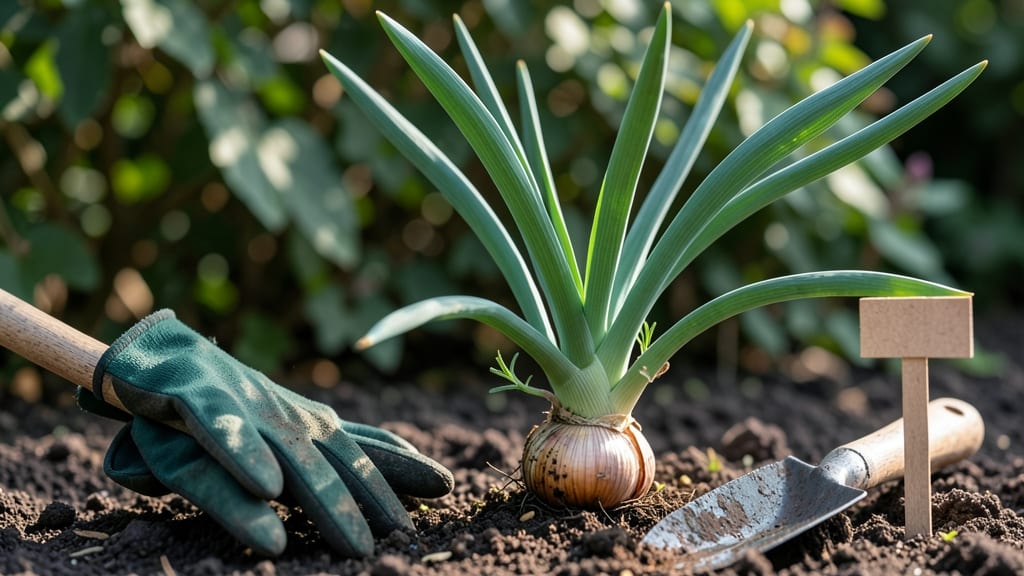
Timing your 🧄 garlic planting in Connecticut isn’t just about luck—it’s the secret to plump, flavorful bulbs by next summer. Plant too early, and your cloves might rot; too late, and frost will stall growth. The 4–6 week window before Connecticut’s first frost (aim for October–November) is your golden opportunity.
Why does this matter? Because garlic thrives in cold weather, using winter’s chill to develop strong roots before spring’s growth spurt. In USDA Zone 6a, where temperatures can drop sharply, getting this right means the difference between a thriving crop and wasted effort.
Here’s the game-changer: hardneck varieties (like ‘German White’) need that early fall planting, while softnecks (like ‘Silverskin’) can stretch into December. I’ll walk you through the exact months, soil prep, and local tricks to maximize your harvest—so you’re not guessing when to plant.
Skip the trial-and-error. By the end, you’ll know exactly when to tuck those cloves into the soil for bulbs that’ll make your Connecticut garden the envy of the neighborhood. Let’s get started.
Connecticut’s ideal garlic planting window: months & frost-free rules
Connecticut’s USDA Zone 6a climate creates a 6-week frost-free window for planting garlic—typically between mid-October and November 15. This timing ensures garlic cloves establish roots before the ground freezes, allowing them to overwinter successfully and produce large bulbs the following summer.
The key is planting 4–6 weeks before the first hard frost, which usually hits Connecticut around November 15. For example, if your last frost date is November 15, aim to plant by October 15 to give roots time to develop.
Late plantings may not survive winter, while early plantings risk rotting if soil stays too wet.
Microclimates in Connecticut—like sheltered garden beds or urban areas—can shift planting dates by 1–2 weeks. For instance, coastal areas (Zone 7a) may have a slightly later frost date, while inland regions (Zone 5b) might need to plant 2 weeks earlier.
Garlic thrives in Connecticut’s cold winters, but the bulbs need vernalization (a period of cold) to mature properly. Without this, you’ll end up with small, weak bulbs or even just green shoots. The 10–12 weeks of cold between planting and spring thaw is non-negotiable for quality harvests.
If you’re unsure about your last frost date, check the Connecticut Agricultural Experiment Station’s frost maps or use the USDA Plant Hardiness Zone Map. Local nurseries often provide region-specific planting calendars, too—ask for their recommendations!
Here’s a quick rule of thumb: Plant garlic when soil temperatures drop to 40–50°F at a depth of 4 inches. Use a soil thermometer to monitor—this is your green light to start planting.
For gardeners in northern Connecticut (e.g., Litchfield County), prioritize early planting by October 1 to account for earlier frosts. In southern Connecticut (e.g., New Haven), you might extend planting until November 1 without risking frost damage.
One common mistake is planting garlic too late in fall, thinking it’ll survive. While garlic is hardy, unfrozen soil is critical for root establishment. If the ground freezes before roots take hold, your cloves will rot—wasting your entire crop.
Pro tip: Break apart garlic bulbs into individual cloves and plant them pointy-end up, 2 inches deep. Space cloves 4–6 inches apart in rows 12 inches apart to allow for airflow and bulb expansion.
🌱 Connecticut Garlic Planting Timeline
| Stage | Action | Notes |
|---|---|---|
| Soil Prep | Test pH (6.0–7.0), amend with compost | Use well-draining soil |
| Planting Window | Mid-October to November 15 | 4–6 weeks before frost |
| Depth | 2 inches, pointy-end up | Covers clove fully |
| Spacing | 4–6" apart, rows 12" apart | Prevents disease spread |
| Winter Care | Mulch with straw (4–6") | Insulates roots |
| Harvest Time | Late June to July | When lower leaves brown |
After planting, mulch heavily with straw or leaves to insulate the soil and protect cloves from freeze-thaw cycles. Remove mulch in early spring (March) to allow soil to warm and encourage shoot growth.
Spring-planted garlic is possible in Connecticut, but it won’t yield large bulbs. If you miss the fall window, you can try planting in early spring (March), but expect smaller, milder bulbs—ideal for green garlic or cooking, but not storage.
For a guaranteed harvest, stick to the fall planting window and choose hardneck varieties, which thrive in Connecticut’s cold winters. Softneck varieties (like Silverskin) can also work but may struggle with extreme cold.
Remember: Patience is key! Garlic planted in fall won’t show above-ground growth until spring, but that’s normal. The magic happens underground during winter.
Best garlic varieties for Connecticut gardens & their planting timelines
Connecticut’s USDA Zone 6a climate favors specific garlic varieties that thrive in cold winters and warm summers.
Choosing the right type isn’t just about flavor—it’s about matching your planting timeline to the variety’s needs. Hardneck varieties, like ‘German White’ and ‘Music’, are the stars here, while softneck types like ‘Silverskin’ offer flexibility for later plantings.
Hardnecks dominate because they need that 60-day cold vernalization period to form bulbs, making them perfect for Connecticut’s frost dates. Softnecks, on the other hand, can handle milder winters and stretch your planting window into December.
I’ll break down the best options and their ideal planting months so you can pick what works for your garden.
For hardneck varieties like ‘German White’ and ‘Music’, aim to plant between October 1 and November 15.
These types need that 60-day cold snap to trigger bulb formation, so don’t push it past mid-November unless you’re using row covers. Softnecks, like ‘Silverskin’ and ‘Artichoke’, are more forgiving—you can plant them as late as December 1 in Connecticut’s milder microclimates.
Pro tip: If you’re unsure about your last frost date, check the CT Agricultural Experiment Station or use the USDA Plant Hardiness Map to confirm Zone 6a specifics.
For example, Hartford’s frost dates might differ slightly from coastal New London, so adjust accordingly. Music garlic is my top pick for Connecticut—it’s cold-hardy, disease-resistant, and produces those prized hardneck scapes for early summer snacks.
Remember, soil temperature matters too. Garlic cloves won’t sprout until the soil drops below 50°F, so wait until late September or early October to plant. If you’re in a warmer microclimate, like near a south-facing wall, you might need to plant earlier to avoid winter warmth stunting growth.
Always test your soil’s drainage and pH (aim for 6.0–7.0) before planting to set your garlic up for success.
Once you’ve chosen your variety and locked in your planting window, the next step is soil prep—because even the best garlic won’t thrive in compacted or nutrient-poor soil.
I’ll cover that in the next section, but for now, mark your calendar: October 15 is your last best shot for hardnecks, while softnecks can wait until November 1 without sacrificing yield.