
Plants
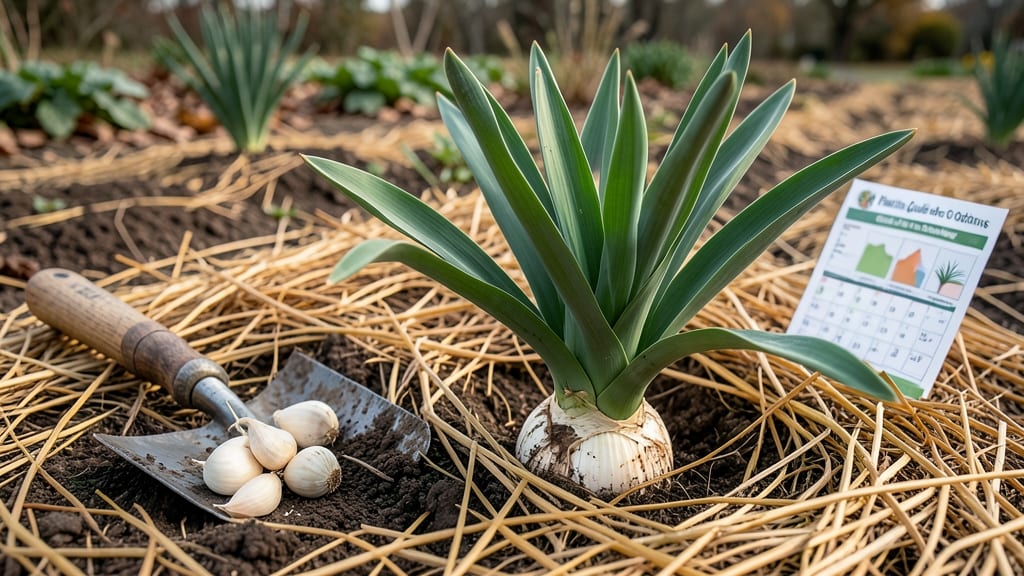
Timing your 🧄 garlic planting in Ontario, Canada isn't just about picking a month—it's about matching your crop to the region's unique chill hours and frost patterns. Plant too early, and you risk sprouting before winter sets in; too late, and your bulbs won't develop properly.
The key lies in understanding your local microclimate, whether you're in Toronto's urban heat islands or rural zones near 5a-6b.
Most Ontario gardeners swear by planting between October and November, but the exact window depends on whether you're growing hardneck or softneck varieties. Hardnecks need more cold exposure, while softnecks prefer milder winters.
I’ll show you how to calculate your perfect planting date using Ontario’s frost-free days and chill-hour data—no guesswork required.
What happens when you get it wrong? Premature sprouting, stunted growth, or even total crop failure. But don’t worry—this guide covers everything from soil prep to adjusting for late frosts, so you’ll know exactly when to tuck those cloves into the ground for a mid-summer harvest the following year.
Ready to grow plump, flavorful garlic that thrives in Ontario’s climate? Let’s dive into the science behind chill hours, regional planting calendars, and the simple steps to ensure your garlic gets the cold it craves—without the risk of frost damage.
Ontario garlic planting calendar: chill-hours breakdown by region
Ontario’s diverse climate zones mean your garlic planting date depends on where you live—whether you’re in Toronto’s Zone 6b or Sault Ste. Marie’s Zone 4a. The key? Matching your chill-hour needs (typically 300-400 hours below 4°C) to your local frost timing.
Southern Ontario gardeners can plant as early as mid-October, while Northern Ontario may wait until late October or November.
Hardneck varieties (like ‘Music’ or ‘German White’) thrive in Ontario’s chillier winters, needing 400+ chill hours. Softneck types (such as ‘Silverskin’) tolerate fewer chill hours (300-350) and work better in milder microclimates.
Always check your last frost date—planting too early risks sprouting before winter sets in.
Here’s how Ontario’s regions break down for optimal garlic planting:
| Region | USDA Zone | Chill Hours Needed | Ideal Planting Window | Best Varieties |
|---|---|---|---|---|
| Southern Ontario (Toronto, London) | 6a-6b | 300-350 | Mid-October to early November | Softneck (Silverskin), Hardneck (Music) |
| Central Ontario (Barrie, Peterborough) | 5a-5b | 350-400 | Late October to mid-November | Hardneck (German White, Rocambole) |
| Northern Ontario (Sault Ste. Marie, Thunder Bay) | 4a-4b | 400-450 | Late October to early December | Hardneck (Chef’s Choice, Inchelium Red) |
For microclimates (like urban heat islands or sheltered valleys), adjust your planting date by 1-2 weeks. For example, a warmer microclimate in Ottawa might allow early October planting, while a colder hillside in Algonquin Park could delay planting until November.
Always aim to plant 4-6 weeks before the ground freezes—this ensures roots establish before winter.
Pro tip: Use Ontario’s historical frost data from the Environment Canada website to fine-tune your timeline. For instance, Toronto’s average last frost is November 15, so planting by October 20 gives roots time to harden off.
In Thunder Bay, where frost lingers until mid-December, wait until late October to avoid sprouting.
Hardneck varieties (like ‘Music’ or ‘German White’) thrive in Ontario’s chillier winters, needing 400+ chill hours. Softneck types (such as ‘Silverskin’) tolerate fewer chill hours (300-350) and work better in milder microclimates.
Always check your last frost date—planting too early risks sprouting before winter sets in.
If you’re unsure about your chill hours, plant a mix of varieties to hedge your bets. For example, include 1-2 softneck cloves in your Northern Ontario plot—they’ll survive with fewer chill hours if winter is milder than expected.
Conversely, Southern Ontario gardeners can experiment with hardneck varieties for larger bulbs, even if they exceed your typical chill hours.
Remember: Garlic planted in fall overwinters and grows in spring, so timing is everything. Miss the window, and you’ll either have premature sprouting (from early planting) or underdeveloped bulbs (from late planting).
Use this calendar as your guide, but always monitor your soil’s readiness—cold, damp soil is ideal for planting.
🌱
How to calculate your local garlic planting date using chill hours
Determining the perfect time to plant garlic in Ontario isn’t just about checking a calendar—it’s about matching your local chill hours to the variety you’ve chosen. Most Ontario gardeners rely on 300-600 chill hours (temperatures between 0°C and 10°C) for optimal bulb development.
Hardneck varieties, like Silverskin or Purple Stripe, thrive with 400-600 chill hours, while softneck varieties need 300-400 chill hours.
To calculate your chill hours, check your local weather station data or use online tools like the Canadian Hardiness Zone Map. For example, Toronto (Zone 6a) typically accumulates 500-600 chill hours, while Thunder Bay (Zone 4a) sees 800-1,000 chill hours.
If you’re in a warmer microclimate, like a sheltered urban garden, you might need to plant earlier to ensure enough cold exposure.
📋 Pro Tip: Use a garlic chill-hour calculator (available from Ontario Ministry of Agriculture) to input your postal code. This will generate a personalized planting window based on your location’s historical climate data.
For most of Ontario, this means planting between mid-October and mid-November, but adjustments are key for regions like Niagara or Windsor, where winters are milder.
- 🌡️ Step 1: Identify your USDA Zone (e.g., 5a, 6a) and average last frost date (usually mid-November in Ontario).
- 📊 Step 2: Determine your chill-hour range (e.g., 400-600 hours for hardneck garlic).
- ⏰ Step 3: Plant 4-6 weeks before ground freezes (e.g., October 15-November 1 in most of Ontario).
- 🌿 Step 4: Adjust for microclimates—plant earlier in urban heat islands or later in cold valleys.
- 📅 Step 5: Mark your planting date on a calendar and set a reminder for harvest in July-August.
If you’re unsure about your chill hours, start with hardneck varieties, which are more forgiving and better suited for Ontario’s cold winters. For example, German White or Music garlic are popular choices because they handle 600+ chill hours without bolting.
Softneck varieties, like Artichoke, are better for southern Ontario where winters are shorter.
One common mistake is relying on general planting dates without accounting for local weather patterns. For instance, a mild October might trick you into planting too late, while a harsh early frost could force you to rush.
Always check a 7-day forecast before planting to ensure the soil can freeze properly after 4-6 weeks.
For extra precision, consider using a soil thermometer to monitor temperatures. Aim to plant when soil temps drop to 10°C (50°F)—this ensures the cloves establish roots before winter sets in.
In Northern Ontario, where winters are longer, you might push planting to late October or early November to avoid premature sprouting.