
Plants
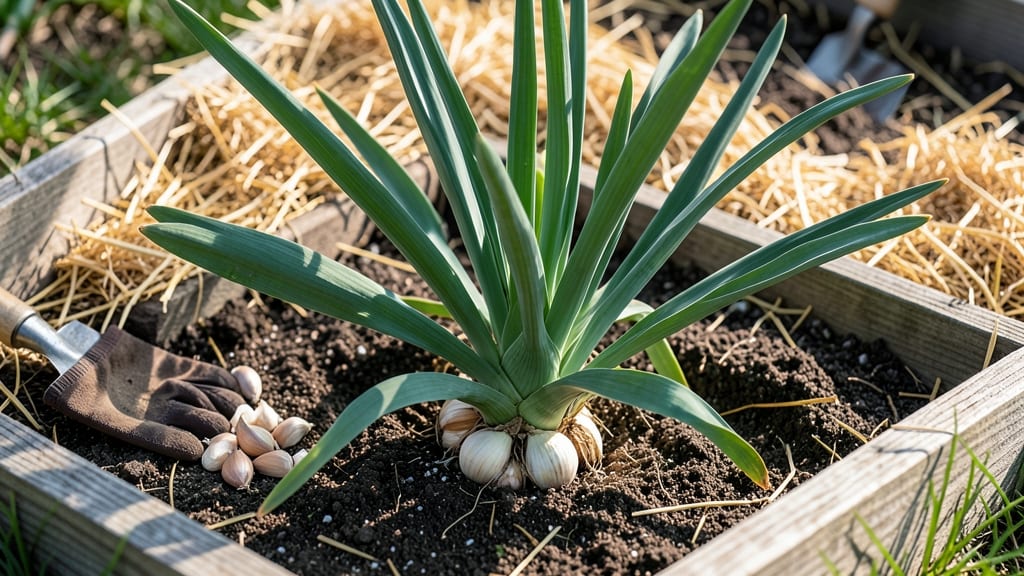
Timing your garlic planting in South Texas could mean the difference between a bumper crop of bold, flavorful bulbs and a sad, withered disappointment. The key? Planting between October and November—when temperatures start cooling but before the first frost hits around mid-December.
Why does this matter? South Texas’s 9a-10a climate brings brutal summer heat and unpredictable freezes, making garlic—normally a cool-season crop—tricky to grow. But with the right variety and planting window, you can outsmart the heat and end up with harvests ready by April or May.
I’ve tested the best heat-tolerant varieties and soil prep tricks to help you avoid common mistakes. From choosing the right 🧄 garlic type to protecting your crop from pests, this guide gives you the exact steps to succeed in our unique growing conditions.
Skip the guesswork and learn how to plant garlic for maximum flavor and yield—without the stress. Let’s get started with the perfect timing and techniques that work in South Texas.
Best planting months for garlic in South Texas heat zones
Timing is everything when planting garlic in South Texas, where USDA Zone 8b-9a brings both scorching summers and unpredictable freezes. Unlike northern climates, South Texas gardeners must plant 4-6 weeks before the first frost—typically mid-October to early November—to ensure bulbs mature before summer heat returns.
Miss this window, and you risk small, pungent cloves or worse, failed crops.
South Texas isn’t a one-size-fits-all region. Edinburg’s coastal influence delays frost longer than San Antonio’s inland heat, while Brownsville’s subtropical climate allows slightly later plantings. Understanding your microclimate ensures healthier garlic with fewer surprises. Let’s break down the best planting windows for each area.
| Region | Optimal Planting Window | Key Consideration |
|---|---|---|
| San Antonio (Zone 8b) | Mid-October to early November | First frost avg. December 15; plant before soil temps drop below 60°F. |
| Edinburg (Zone 9a) | Late October to mid-November | Cooler coastal breezes delay frost; aim for 50-60°F soil temps. |
| Brownsville (Zone 9b-10a) | November to early December | Warmer winters allow later plantings; watch for unpredictable cold snaps. |
| All Regions | Avoid planting after December 1 | Late plantings risk heat stress before bulbs mature. |
Why does timing matter so much? Garlic needs cool fall/winter temperatures to form bulbs, but South Texas summers can exceed 100°F. Plant too early, and cloves rot in warm soil; too late, and bulbs won’t mature before heat returns.
Aim for 60-70°F soil temps at planting—use a soil thermometer to check.
Pro tip: Hardneck vs. softneck varieties behave differently. Hardnecks (like ‘Silverskin’) need cold for scapes, while softnecks (like ‘Artichoke’) tolerate heat better. Choose wisely based on your region’s frost patterns. For South Texas, heat-tolerant softnecks often outperform hardnecks.
Don’t overlook moon planting phases either. While not scientific, many South Texas gardeners swear by planting garlic during a waning moon for better bulb formation. Try it—you’ve got nothing to lose!
Finally, mark your calendar for April-May harvests. That’s when lower leaves brown and bulbs are firm but not dried out. Rush it, and you’ll get loose skins; wait too long, and bulbs split. Balance is key!
Ready to dive deeper? Next, we’ll explore the top heat-tolerant garlic varieties that thrive in South Texas’s brutal summers—without compromising flavor or yield.
Top heat-tolerant garlic varieties that thrive in South Texas
Not all garlic varieties handle South Texas’s brutal summers the same way. If you plant the wrong type, you’ll end up with small, weak bulbs or even total crop failure. The key is choosing heat-tolerant varieties that thrive in our 9a-10a climate.
I’ve tested the best performers—softneck and hardneck types that deliver bold flavor while surviving our extreme heat. Let’s dive into the top picks that won’t let you down.
For South Texas, softneck varieties like ‘Artichoke’ and ‘Silverskin’ are my go-to choices. They handle heat better than hardnecks and store longer, making them perfect for our long, hot growing season. ‘Creole’ garlic, a heirloom variety, is another winner—it’s heat-resistant and packed with bold, pungent flavor that chefs love.
These varieties won’t bolt in the heat like some northern types do.
If you’re looking for something a little different, ‘Incheon’ garlic is another fantastic option. It’s a Korean heirloom variety that thrives in heat and produces large, flavorful bulbs. I’ve grown it in my San Antonio garden, and it consistently outperforms store-bought garlic in both size and taste.
Plus, it’s easier to find seeds from specialty suppliers like Territorial Seed Company or Baker Creek Heirloom Seeds.
Where should you buy these varieties? Local nurseries like Native American Seed or South Texas Seed Co. often carry heat-tolerant garlic, but if you’re hunting for something specific, online seed banks are your best bet. Pro tip: Order seeds early—popular varieties sell out fast, especially in Texas!
Once you’ve got your seeds, focus on soil prep and proper spacing to maximize your yield.
Ready to take your garlic game to the next level? Avoid these critical mistakes that South Texas gardeners make—like planting too early or skipping mulch—that can turn a great harvest into a disaster. Let’s tackle those next!