
Plants
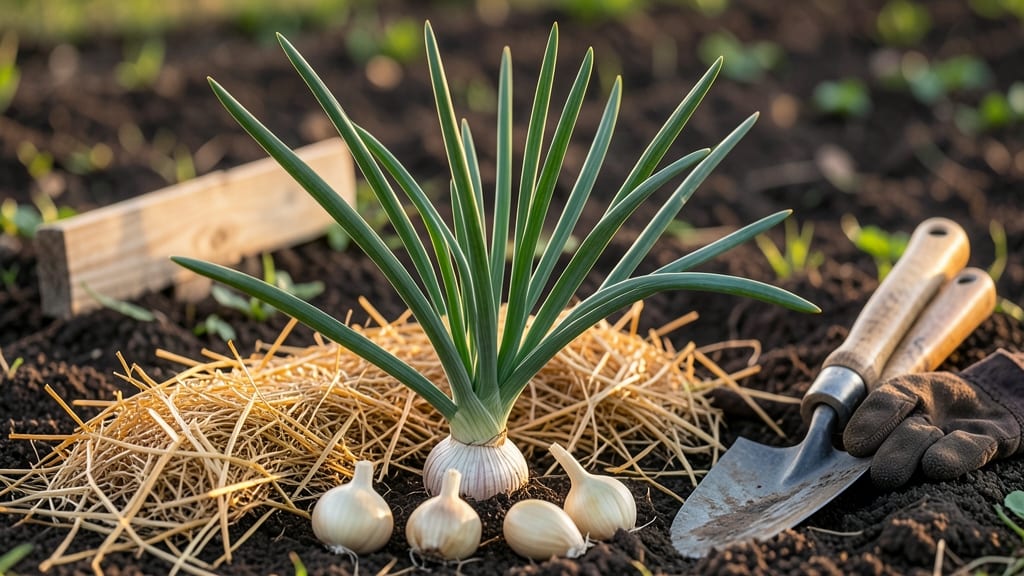
Timing your garlic planting in WV isn't just about the calendar—it's about matching your bulbs to West Virginia's chill hours for the best flavor and size. If you plant too early or too late, you might end up with weak growth or even no harvest at all.
The key is getting those cloves in the ground during the 4-6 weeks before the first frost, typically between October and November.
West Virginia's 6a zone means you're working with a shorter growing season, so choosing the right garlic variety makes all the difference. Hardneck varieties, like Rocambole or German White, thrive in our climate and produce those prized scapes.
Softnecks, while easier to store, may not perform as well here. The goal? Plant when soil temps drop below 50°F but before the ground freezes solid.
Why does timing matter so much? Because garlic needs cold exposure to develop properly—think of it like a natural hibernation period. Too little chill, and you'll get small, weak bulbs.
Too much, and you risk frost damage before they establish roots. I'll show you exactly how to read your local frost dates and adjust your planting schedule for maximum success.
From soil prep to spacing, we'll cover everything you need to know to grow robust 🧄 garlic that's ready to harvest next summer. Whether you're a first-time gardener or a seasoned grower, these tips will help you avoid common mistakes and get the most out of your West Virginia garden.
West Virginia’s ideal garlic planting timeline by chill-hour zones
West Virginia’s USDA Zone 6a climate demands precise timing for garlic planting, especially since hardneck varieties need 5,000–7,000 chill hours to form proper bulbs. Planting too early or late disrupts this cycle, leading to small or flavorless harvests. The key? Align planting with frost dates and chill-hour accumulation.
Most of West Virginia experiences its first hard frost around mid-October, while the last frost typically occurs in mid-November. For optimal results, plant garlic 4–6 weeks before the ground freezes, which usually lands in late October to early November.
This window ensures bulbs establish roots before winter dormancy begins.
Hardneck garlic thrives in WV’s climate because it requires cold stratification to develop flavorful bulbs. Softneck varieties, while hardier, won’t produce the same bold flavor or large cloves without sufficient chill hours. Stick with hardneck types like Rocambole or German White for best results.
Here’s how chill-hour zones break down across West Virginia:
| Region | Chill Hours | Ideal Planting Window | Best Varieties |
|---|---|---|---|
| Northern WV (Zone 6a) | 6,000–7,000 | Late October | German White, Rocambole |
| Central WV (Zone 6b) | 5,500–6,500 | Early November | Silverskin, Purple Stripe |
| Southern WV (Zone 7a) | 5,000–6,000 | Mid-November | Artichoke, Creole |
If you miss the fall window, you can plant garlic in early spring (March), but bulbs will be smaller and less flavorful due to insufficient chill hours. Spring-planted garlic is best for green garlic harvests rather than mature bulbs.
Pro tip: Use a soil thermometer to confirm ground temps are below 40°F before planting. This signals it’s safe for garlic to enter dormancy without rotting. Mulch with straw or leaves after planting to insulate bulbs through winter.
Timing isn’t just about frost—it’s about daylength and temperature shifts. Garlic planted in September may sprout but won’t harden off properly before winter, leading to poor bulb formation. Wait until October for reliable results across most of WV.
For urban gardeners in WV, container-growing garlic works well if you use large pots (12+ inches deep) and plant at the same late-October timing. Just ensure pots have drainage holes to prevent rot during winter thaws.
Remember: Hardneck garlic produces scape shoots in spring—a sign of maturity. If you see these, harvest them for garlic scapes (a culinary delicacy!) while leaving the bulbs in the ground to mature.
🌱
Step-by-step planting guide for WV’s climate: soil, depth, and spacing
West Virginia’s cool fall temperatures and well-draining soils create perfect conditions for garlic, but timing and technique matter. Start by choosing hardneck varieties like Music or German White, which thrive in WV’s 5,000–7,000 chill hours. These varieties produce flavorful bulbs with scapes—ideal for WV’s climate.
Prepare your garden bed in late September or early October, about 4–6 weeks before the first hard frost. Clear debris and loosen soil to a depth of 12 inches, mixing in 2–3 inches of compost or aged manure.
Garlic prefers slightly acidic to neutral soil (pH 6.0–7.0), so test your soil if you’re unsure.
🌱 Step-by-Step Planting Guide for Garlic in WV
- 1. Break bulbs: Separate garlic bulbs into individual cloves, keeping the paper intact to protect the root end.
- 2. Plant depth: Place cloves 2 inches deep, pointy end up, in rows spaced 12 inches apart.
- 3. Spacing: Space cloves 6 inches apart within rows to allow airflow and bulb expansion.
- 4. Mulch heavily: Cover beds with 4–6 inches of straw after planting to insulate roots from freeze-thaw cycles.
- 5. Water lightly: Keep soil moist but not soggy until the ground freezes naturally.
After planting, mulch with straw or leaves to protect cloves from temperature fluctuations and prevent heaving during winter. In early spring, remove mulch temporarily to allow soil to warm slightly, then replace it until mid-March to slow regrowth and encourage larger bulbs.
Water garlic moderately during the growing season, aiming for 1 inch of water per week. Avoid overhead watering to prevent fungal diseases like white rot. Instead, use a soaker hose or drip irrigation to deliver water directly to the soil.
By late June or early July, your garlic will be ready to harvest when the lower leaves turn brown and the tops begin to dry and fall over.
Use a fork or spade to gently lift bulbs, then cure them in a dry, shaded area for 2–3 weeks before storing.
Proper spacing and depth ensure larger bulbs and fewer diseases, while mulching protects against winter damage. With these steps, you’ll grow plump, flavorful garlic perfect for WV’s kitchen—no matter how many chill hours your zone receives! 🌱