
Plants
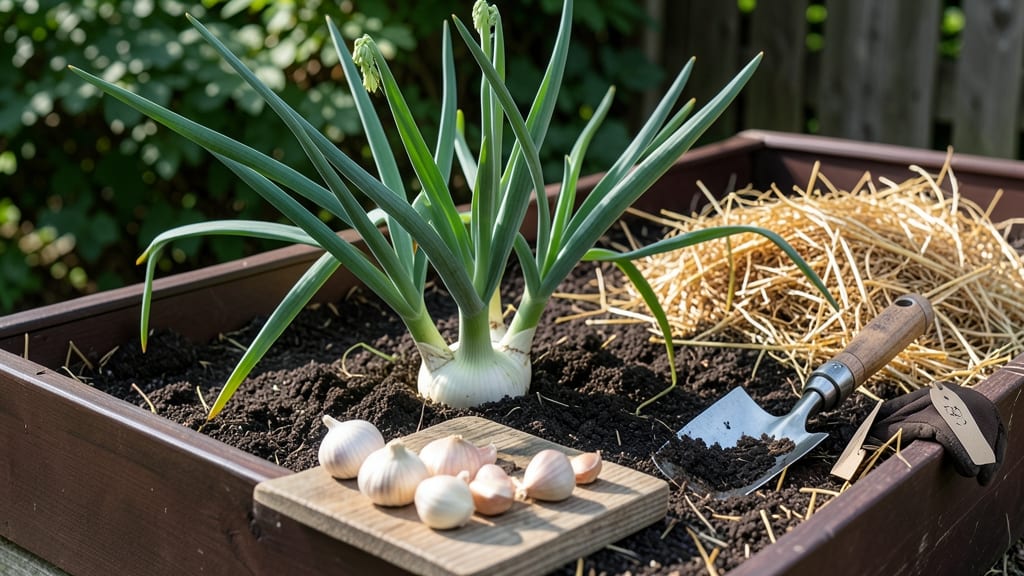
Timing your garlic planting in Ohio spring isn’t just about throwing cloves in the dirt—it’s about unlocking the secret to hardneck bulbs that thrive in your 6a climate. Miss the window, and you might end up with weak shoots or worse, no harvest at all.
But here’s the good news: with the right chill-hour matching, even late spring plantings can yield high-quality garlic by July.
Spring planting in Ohio works best when you align your schedule with the 1000-1200 chill hours hardneck varieties crave. That means getting cloves in the ground by early March—just as soil temperatures dip below 40°F—to kickstart that critical cold period.
Whether you’re a first-timer or a seasoned gardener, this guide will help you navigate Ohio’s unpredictable frost dates and regional microclimates.
We’ll break down exactly when to plant, how to prep your soil for success, and what to watch for—like those sneaky late freezes that can derail even the best-laid plans.
Plus, I’ll share Ohio-specific tips from the Ohio State University Extension to ensure your garlic gets the chill it needs without overcomplicating things.
Ready to grow bold, flavorful garlic that stands up to Ohio’s late-June harvest? Let’s dive into the step-by-step timeline and pro tips that’ll turn your spring planting into a victory—no matter what Mother Nature throws your way.
Ohio’s ideal garlic planting window: chill-hours and hardneck variety matching
Ohio’s chill-hour requirements are the secret to growing hardneck garlic successfully. Unlike softneck varieties, hardnecks need 1,000–1,200 hours below 40°F to form proper bulbs. Since Ohio typically provides 1,200–1,500 chill hours annually, timing your planting is everything.
The best window is October–November for fall planting, but early spring (February–March) works too if you missed the fall deadline.
Why does this matter? Garlic planted in late fall gets the full chill period, while spring-planted garlic relies on early-season cold snaps and consistent mulching.
Ohio’s USDA Zone 6a climate means frost can linger until mid-April, so spring planting must happen 4–6 weeks before the last frost to avoid stunted growth.
For Ohio gardeners, the top hardneck varieties are ‘Music’, ‘German White’, and ‘Chesnok Red’. These varieties thrive in Ohio’s climate and produce large, flavorful bulbs with hardneck scapes—the curly stems that appear in spring and can be harvested for extra flavor.
Avoid softneck varieties like ‘Silverskin’, which struggle with Ohio’s chill requirements.
To calculate your local chill hours, check Ohio State University Extension’s climate data tools or use a chill-hour calculator.
Most of Ohio falls within 1,200–1,500 chill hours, but northern Ohio (Zones 5b–6a) gets closer to the 1,500-hour mark, while southern Ohio (Zone 7a) may need earlier spring planting to compensate.
Here’s the key takeaway: Fall planting (October–November) is ideal for Ohio’s chill hours, but spring planting (February–March) can still work if you adjust for soil temperature and mulching. Let’s break down the specifics in this summary table to help you choose the best approach for your Ohio garden.
| Planting Window | Chill Hours Needed | Best Varieties | Ohio Region Fit |
|---|---|---|---|
| October–November (Fall) | 1,000–1,200 hours | Music, German White, Chesnok Red | All regions (ideal) |
| February–March (Spring) | 1,200+ hours (with mulch) | Same as above (hardneck only) | Northern Ohio (Zones 5b–6a) |
| January (Early Spring) | 1,500+ hours (risky) | Music (most cold-tolerant) | Southern Ohio (Zone 7a) |
If you’re planting in spring, focus on northern Ohio where chill hours are naturally higher. For southern Ohio, consider January planting only if you’re using Music garlic, which tolerates earlier soil warming.
Always test your soil temperature—it should be 40°F or below at planting time to trigger bulb formation.
One common misconception is that spring-planted garlic will catch up to fall-planted garlic. While it can still produce edible bulbs, they’ll be smaller and less flavorful without the full chill period. To maximize success, pair your planting with heavy mulching (6–8 inches of straw) to preserve soil chill and moisture.
For Ohio gardeners, the best hardneck varieties are those with high cold tolerance. ‘Music’ is a top pick because it handles Ohio’s variable winters and still delivers large bulbs.
‘German White’ is another favorite for its mild flavor and long storage life, while ‘Chesnok Red’ offers a spicy kick perfect for cooking.
Remember: Timing + variety + chill hours = garlic success in Ohio. Whether you plant in fall or spring, prioritize hardneck varieties and soil temperature checks to ensure your garlic gets the chill it needs for a bountiful harvest.
Step-by-step spring planting timeline for Ohio gardeners (with backup tips)
If you missed Ohio’s ideal fall planting window (October-November), don’t panic—spring planting still works! The key is timing your cloves for 4-6 weeks before your last frost date, typically between February and early April in Ohio.
Northern Ohio gardeners should aim for late February to March, while Southern Ohio can plant until mid-April.
Start by selecting hardneck varieties like ‘Music’ or ‘Chesnok Red’, which thrive in Ohio’s climate. Break your garlic bulbs into individual cloves (but keep the papery skin on) and discard any soft or shriveled cloves. This ensures strong, healthy starts for your spring crop.
Late Winter Prep (Jan-Feb)
Planting Time (Feb-Apr)
Post-Planting Care
For backup tips, consider using black plastic mulch in early spring to warm soil faster. If your area experiences late freezes, opt for container growing—garlic thrives in pots with well-draining soil and can be moved indoors during cold snaps.
Spring-planted garlic may yield smaller bulbs than fall-planted, but with proper care, you’ll still get a harvestable crop. Monitor for voles and weeds, and avoid fertilizing until spring green-up to prevent excessive leaf growth at the expense of bulb development.