
Plants
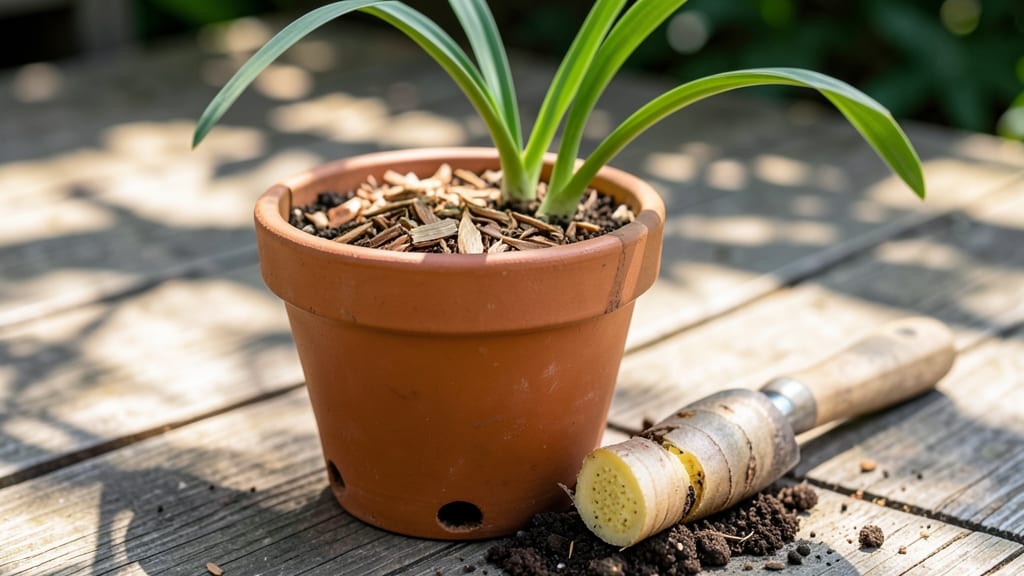
If you're wondering when to plant ginger in Zone 8, timing is the game-changer that separates a thriving harvest from wasted effort.
This tropical rhizome 🌿 loves the mild winters and warm springs of Zone 8, but planting too early or late can leave your ginger struggling to establish roots before summer heat or winter chill sets in.
Most gardeners in Zone 8 get the best results by planting ginger rhizomes in late winter to early spring, when soil temperatures consistently stay above 60°F. This window—typically February to March—gives your ginger enough time to sprout before the intense summer sun arrives.
But here's the catch: coastal areas may have slightly different microclimates than inland regions, so local conditions matter more than just the calendar.
What makes ginger unique is how it responds to warmth—it needs that fast heat to kickstart growth, but too much direct sun can scorch its broad leaves. That’s why partial shade and well-draining soil are just as critical as planting time.
Whether you're growing ginger for its spicy rhizomes or as an ornamental plant, getting these details right ensures your plants thrive from the get-go.
In this guide, I’ll break down the ideal planting schedule, soil prep tips, and how to adapt for Zone 8’s regional quirks. By the end, you’ll know exactly when—and how—to plant for a bumper crop of ginger that’s ready to harvest by fall.
Best planting months for ginger in Zone 8: spring vs. fall timing
Zone 8 gardeners have a 120-day growing window for ginger, but timing matters more than you might think. The ideal planting window spans March through April when soil temperatures consistently stay above 60°F (15°C). This warm soil kickstarts rhizome growth, preventing the rot risk that cold soil brings.
Fall planting is possible in Zone 8, but it’s riskier. If you plant in September or October, your ginger needs to establish roots before the first frost—typically around mid-November.
Coastal areas may push this window later, but inland regions should avoid planting after September 15 to prevent frost damage.
Soil temperature is your best indicator for timing. Use a soil thermometer to confirm readings—ginger rhizomes won’t sprout until the ground warms to 65°F (18°C). In Zone 8, this usually aligns with late March to early April, but microclimates vary.
Here’s how to prepare your rhizomes for planting: Soak them in warm water for 6 hours to soften the skin, then let them sprout buds (about 2–3 inches long). Plant the bud-side up, 2 inches deep in well-draining soil, with 6–8 inches between rhizomes.
One common mistake? Planting too early. If you start in February, cold soil can cause rhizome rot. Wait until the last frost date has passed—typically February 15 in Zone 8—before planting. This ensures your ginger gets a full growing season to mature.
Zone 8 microclimates add complexity. Coastal areas (like San Diego or Santa Barbara) can plant 2–3 weeks earlier due to milder winters, while inland valleys (like Phoenix or Las Vegas) may need to wait until mid-April to avoid heat stress.
For a second harvest, some gardeners attempt a fall planting in August, but success depends on your specific Zone 8 subregion. If you live in a hotter inland area, focus on spring planting only—fall rhizomes may struggle to establish before winter.
Pro tip: Use black plastic mulch in spring to warm the soil faster. This can shave 1–2 weeks off your planting timeline, giving ginger a head start in cooler microclimates.
| Factor | Spring Planting (March–April) | Fall Planting (September–October) |
|---|---|---|
| Soil Temp Requirement | ≥60°F (15°C) | ≥60°F (15°C) before frost |
| Planting Window | Late March–Early April | Mid-Sept–Early Oct |
| Rhizome Prep | Soak + sprout buds | Same as spring |
| Frost Risk | Low (post-last frost) | High (pre-first frost) |
| Harvest Window | Fall (Oct–Nov) | Limited (Dec if lucky) |
| Best For | Full harvest | Experimental only |
🌱 Spring planting = guaranteed success in Zone 8
If you’re new to ginger growing, stick to spring planting. The 10–12 month growth cycle means fall-planted rhizomes rarely mature before winter. Even in Zone 8b (cooler subzone), spring gives you 3–4 months of active growth before harvest.
For maximum yield, pair spring planting with organic compost (1 part compost to 2 parts soil). This boosts nutrient uptake during ginger’s rapid growth phase, which peaks in June–July in Zone 8. Avoid nitrogen-heavy fertilizers—they promote leafy growth over rhizome development.
Remember: Ginger is a tropical plant masquerading in your temperate Zone 8 garden. Mimic its native conditions with moist, shaded soil and consistent warmth. Plant at the right time, and you’ll harvest plump rhizomes by late fall—just in time for holiday cooking (or gift-giving!).
Best planting months for ginger in Zone 8: spring vs. fall timing
In Zone 8, ginger thrives best when planted during the warmer months—either in early spring (March–April) or late summer (September–October). These windows align with soil temperatures above 60°F (15°C), which ginger needs to sprout successfully.
Spring planting gives rhizomes the longest growing season before winter, while fall planting lets them establish roots before cooler weather arrives.
For spring planting, aim for late March to early April when frost risk is minimal. If you plant too early, cold soil can stunt growth or even kill the rhizomes.
Conversely, fall planting should happen by mid-September to allow roots to develop before the first frost (November 15 in Zone 8). Coastal areas may have slightly extended windows due to milder microclimates.
Ginger rhizomes are sensitive to temperature shifts, so avoid planting when nighttime temps drop below 55°F (13°C). Inland Zone 8 gardens may experience colder pockets, so use mulch (straw or leaves) to insulate soil and protect young plants. Coastal regions can push planting slightly later into April or October without risk.
| Planting Window | Soil Temp Requirement | Zone 8 Microclimate Notes | Key Mistake to Avoid |
|---|---|---|---|
| Late March–Early April | 60°F+ (15°C+) | Inland: Wait for last frost (Feb 15). Coastal: Plant 2 weeks earlier. | Planting in cold soil (<55°F) stalls sprouting. |
| Mid-September | 65°F+ (18°C+) | Coastal: Extend to early October. Inland: Stop by Sept 15. | Planting too late risks frost damage before roots establish. |
To prepare rhizomes for planting, soak them in warm water for 6 hours to encourage sprouting. Choose plump, firm rhizomes with visible buds—these will grow fastest. Cut larger rhizomes into 1-inch pieces, ensuring each has at least one bud.
Plant them 2 inches deep in well-draining soil with partial shade to prevent overheating.
Zone 8 gardeners often struggle with soil temperature inconsistencies, especially in raised beds or containers. Use a soil thermometer to confirm temps before planting. If soil is too cold, delay planting or use black plastic mulch to warm it faster.
In containers, ginger grows well but may need extra mulch to retain moisture during summer’s heat.
Remember, ginger is a tropical plant that mimics its native climate in Zone 8 by growing vigorously in warm months and entering dormancy in winter. With the right timing, you’ll harvest plump rhizomes in 8–10 months—perfect for fresh use or storing over winter. 🌱