
Plants
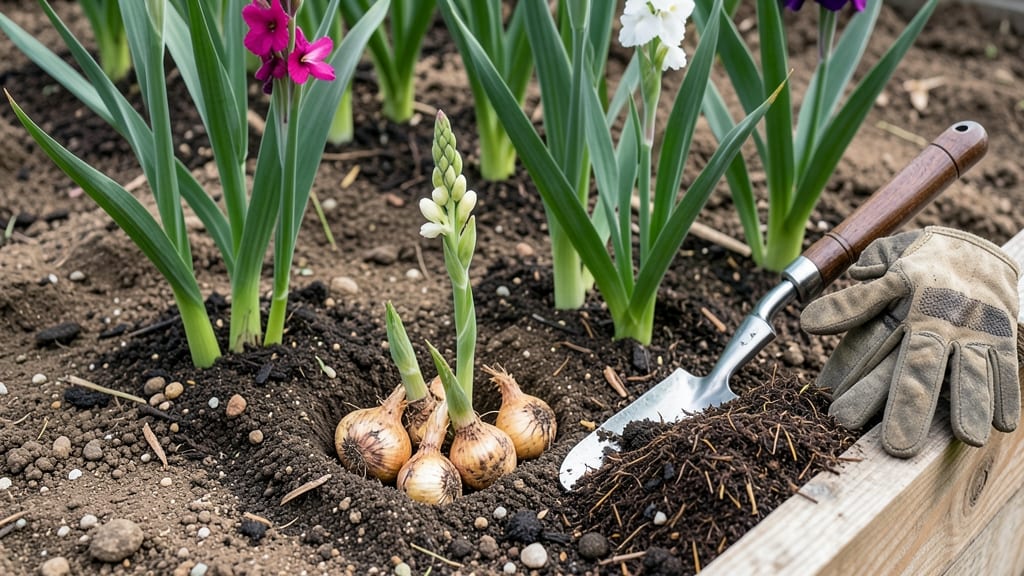
Timing your gladiolus planting in Colorado isn’t just about following a calendar—it’s about outsmarting 160 frost-free days that shrink as you climb in elevation.
Plant too early in the Front Range and a late snowstorm could wipe out your corms; wait too long in the Western Slope, and your 🌸 blooms might arrive after summer’s peak heat.
This is where most gardeners trip up—assuming one-size-fits-all advice works across Denver’s 5,280 feet or Telluride’s 8,750 feet. The truth? Your planting window shifts dramatically, sometimes by weeks, depending on whether you’re in USDA Zone 5 or 7.
I’ll break down the exact frost-free deadlines you need to hit for vibrant blooms from August to October.
You’ll also discover how to prep your soil and corms for Colorado’s unpredictable springs—because even the hardiest gladiolus won’t thrive if planted in cold, soggy earth. From soil warming tricks to elevation-specific watering schedules, these adjustments could mean the difference between a flopping flower spike and a showstopping garden centerpiece.
Let’s dive into the science behind why mid-April to mid-June isn’t just a suggestion—it’s your golden window to grow gladiolus that outlasts Colorado’s short but intense growing season. Ready to make your flowers the envy of the neighborhood?
Colorado gladiolus planting dates by elevation zone: exact frost-free deadlines
Colorado’s elevation zones dramatically impact when you can safely plant gladiolus corms. At 3,000–5,000 feet (Front Range cities like Denver), last frost dates average April 15–May 1, while 7,000+ feet (mountain regions) often see frost until May 15–June 1.
Planting too early risks frost damage, but delaying too long means blooms arrive after summer’s peak heat. Let’s break down the exact planting windows by zone to maximize your gladiolus success.
For lowland Colorado (USDA zones 5–6), aim to plant 4–6 weeks before your last frost date. This translates to mid-March to early April in Denver, but wait until late April in higher-elevation foothills.
Soil temperature is critical—gladiolus corms need 60°F+ soil to sprout consistently. Use a soil thermometer to confirm readiness, especially in cooler microclimates like Boulder or Fort Collins.
In mountain regions (7,000+ feet, USDA zone 4–5), push planting back to late April to mid-May. These areas experience shorter growing seasons and cooler soils, so prioritize hardy varieties like 'White Friendship' or 'Green Gauze.'
If you’re in Aspen or Leadville, consider starting corms indoors under grow lights for a 2–3 week head start before transplanting after the last frost.
🌱
To avoid late-season blooms in Colorado, select early- to mid-season varieties like 'Picasso' or 'Black Star.' These bloom in 90–100 days, ensuring vibrant flowers by late July to August—perfect for summer weddings or cutting gardens.
For longer vase life, harvest flowers when the lower buds are just opening and store stems in cool water.
Pro tip: Mark your gladiolus beds with stakes after planting to avoid accidentally disturbing corms during weeding. In windy Colorado areas, stake plants at half their mature height (2–3 feet) to prevent flopping spikes.
Use bamboo stakes or tomato cages for support, and tie stems loosely with soft plant ties.
If you’re in a microclimate with unpredictable frost (like Colorado’s Western Slopesuccessive batches every 2 weeks from late April to early June. This staggered approach ensures continuous blooms from July through September. Just remember: gladiolus corms are not frost-tolerant, so always wait until the soil is consistently warm.
For container gardening in Colorado, use large pots (12+ inches deep) with fast-draining mix (60% potting soil, 30% perlite, 10% compost). Plant corms 2 inches deeper than in-ground beds and move containers to sheltered locations if frost threatens.
Containers warm up faster than soil, so you can plant 1–2 weeks earlier than in-ground gardens.
🌸
After planting, mulch with 2–3 inches of straw or shredded leaves to retain moisture and regulate soil temperature. Avoid organic mulches like grass clippings, which can mat and suffocate corms. Water deeply once a week (1–2 inches) during establishment, then reduce to every 10–14 days once roots are established. Overwatering is a common mistake—gladiolus hate soggy soil and are prone to
How to extend the gladiolus season in Colorado: soil prep and hardening tips
Colorado’s unpredictable spring temperatures can leave gladiolus corms struggling to establish roots before summer heat arrives. The key to success? Preparing soil and corms weeks in advance to create an ideal environment for rapid growth.
I’ve learned that even a few extra weeks of preparation can mean the difference between vibrant blooms and flopping spikes.
Start by soaking corms for 24 hours in lukewarm water before planting. This jumpstarts root growth and helps them absorb moisture faster once in the ground. After soaking, let them dry slightly—this prevents rot in cold, wet soil.
For high-elevation areas (7,000+ ft), I recommend an extra 2-week chill period in the fridge to mimic winter dormancy and harden them off.
🌱 Step-by-Step Gladiolus Prep for Colorado Gardens
- Soak corms in lukewarm water for 24 hours before planting (skip for high-altitude areas).
- Chill corms for 2–4 weeks in a paper bag in the fridge (critical for USDA Zone 5).
- Warm soil using black plastic mulch or row covers 2 weeks before planting.
- Hardening off: Place corms in partial shade for 3–5 days before full sun exposure.
- Plant when soil reaches 60°F+ (use a soil thermometer for accuracy).
Warming the soil is just as critical as prepping the corms. In Colorado’s cooler microclimates, like the Front Range foothills, I use black plastic mulch laid down 2 weeks before planting to raise soil temperatures by 10–15°F.
For container growers, heat mats can give corms that extra edge in high-altitude gardens where summers are short.
Don’t overlook hardening off—this step is non-negotiable for Colorado’s variable spring weather. After chilling, place corms in a shady, sheltered spot for 3–5 days to acclimate them to outdoor conditions.
Gradually increase sun exposure over this period to avoid shock-induced wilting. I’ve seen corms planted without hardening off struggle for weeks to recover, delaying blooms until late summer.
Finally, test your soil’s drainage before planting. Gladiolus corms rot in waterlogged conditions, which is a common issue in Colorado’s clay-heavy soils. Amend beds with compost or sand to improve aeration, and plant on mounds or raised beds if your garden holds moisture.
A quick percolation test (pouring water on soil and timing drainage) can save your corms from fungal diseases.
With these prep steps, you’ll give your gladiolus corms the best possible start, ensuring they bloom earlier and more vigorously—even in Colorado’s challenging climate. The extra effort now pays off with longer stems and brighter blooms by midsummer. 🌸