
Plants
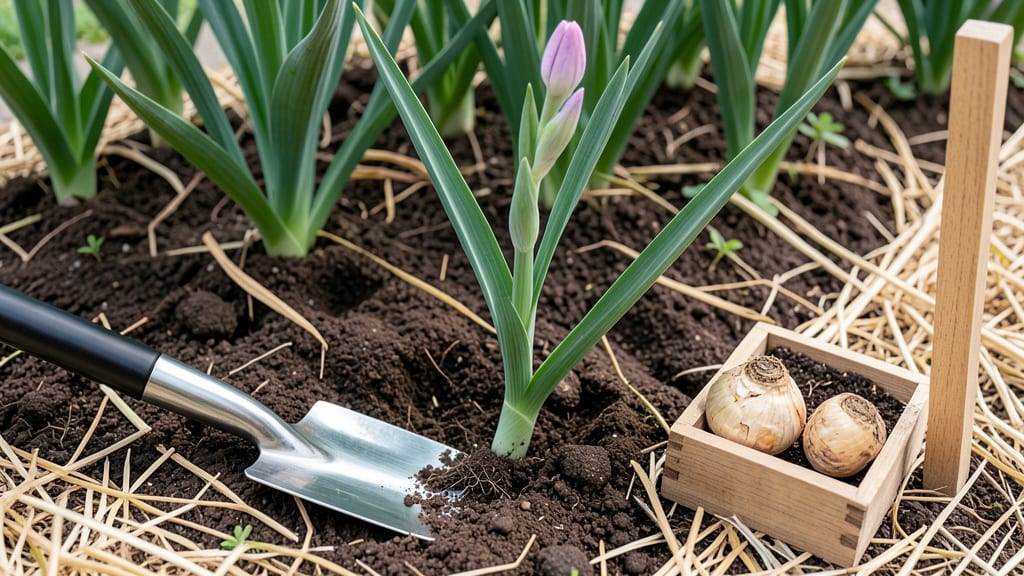
Timing your gladiolus planting just right in Maine means the difference between vibrant summer blooms and wasted corms.
With zone 5b frost risks lingering until mid-May, getting those 🌸 planted too early could spell disaster—but wait too long, and you might miss the prime window for those dramatic spikes of color.
Most gardeners here aim for mid-May to early June, once soil temperatures hit 60°F and the last frost date has safely passed. That’s when your gladiolus corms can finally focus on growing roots instead of fighting the cold.
I’ve learned the hard way that rushing the process—even by a few weeks—can leave your plants stunted or worse, frostbitten.
What makes Maine’s climate tricky is those unpredictable late frosts, especially in higher elevations. The key is planting 4-6 weeks after your last frost date, giving your gladiolus enough time to establish strong roots before summer’s heat arrives.
Trust me, that extra patience pays off with taller stems and longer bloom times from July through September.
In this guide, I’ll walk you through the exact steps to time your planting, from soil prep to spacing, so you can enjoy those showstopping gladiolus blooms without the guesswork. Let’s get those corms in the ground the right way—once and for good.
Maine’s gladiolus planting timeline: frost dates and hardiness zones
Timing is everything when planting gladiolus corms in Maine’s USDA Zones 4-5. These dramatic summer bloomers need 4-6 weeks of frost-free soil to establish roots before summer heat arrives.
Since Maine’s last frost typically lands between May 10-20, your planting window opens mid-May to early June—but local microclimates can shift this by 1-2 weeks.
Coastal areas like Bar Harbor often warm up faster, while inland spots near Presque Isle may need to wait until soil reaches 60°F. Use a soil thermometer to confirm—gladiolus roots struggle below 55°F. Pro tip: Check your local Maine Agricultural Weather Network for real-time frost alerts.
For early bloomers, you can start corms indoors 6-8 weeks before your last frost date. Pre-sprouted tubers planted in early May may push through light frosts, but cover them with garden fabric if nighttime temps dip below 32°F. This strategy extends your blooming season by 2-3 weeks.
| Stage | Action | Maine Timeline | Pro Tip |
|---|---|---|---|
| Soil Prep | Amend with compost | April (coastal) - May (inland) | Test pH: Aim for 6.0-6.5 |
| Indoor Sprouting | Start corms in pots | March 15-April 1 | Use grow lights for 12+ hours |
| Outdoor Planting | Plant corms 4-6" deep | Mid-May to June 1 | Space 6" apart in rows |
| Frost Protection | Cover with fabric | Until May 20 | Remove during day to avoid rot |
| Bloom Window | Enjoy flowers | July 15-September 15 | Cut stems when 2 buds open |
Maine’s short growing season demands efficiency. Plant early-season varieties like 'White Friendship' by May 15 for July blooms, then follow with mid-season types ('Pink Parfait') by June 1 for September color. This staggered approach maximizes your 165 frost-free days.
If you miss the primary window, don’t despair—late June plantings can still produce blooms if given extra care. Use black plastic mulch to warm soil faster and water consistently to compensate for Maine’s cool nights. Just be prepared for smaller flowers on late-season plants.
For coastal gardeners, account for salty air and wind. Plant near windbreaks or use elevated beds to improve drainage. Inland gardens benefit from morning sun exposure to dry dew quickly, reducing fungal risks like botrytis.
Remember: Gladiolus corms are not frost-tolerant once sprouted. If a late frost threatens after planting, cover with straw mulch or row fabric. The goal is to protect the emerging shoots, not the corms themselves, which can handle 28°F safely in the ground.
Track your local frost dates using the Maine State Climate Office or plant frost-sensitive varieties like 'Green Garter' after June 1 to avoid early-season risks entirely. With the right timing, your gladiolus will reward you with 4-5 foot spikes of bold color from mid-summer to fall.
Step-by-step gladiolus planting guide for Maine gardens
Now that you’ve nailed down your planting window, let’s dive into the hands-on steps to get your gladiolus corms thriving in Maine’s soil.
Start by choosing a sunny spot—gladiolus demand at least 6 hours of direct sunlight daily—and prepare your garden bed with care to avoid the soil drainage issues common in Maine’s clay-heavy areas.
Before planting, loosen the soil to a depth of 12 inches using a garden fork or tiller. Mix in 2-3 inches of compost to enrich the soil and improve drainage. Maine’s cool, damp springs can lead to rot-prone conditions, so this step is critical for preventing corm rot.
🌱 Step-by-Step Planting Guide
- Soil Prep: Loosen soil to 12" deep, mix in compost (2-3").
- Spacing: Plant corms 4-6" deep, 6" apart in rows 12" apart.
- Orientation: Point sharp end upward (where sprouts emerge).
- Mulching: Add 2" of straw mulch after sprouts appear.
- Watering: Water deeply morning-only to prevent fungal diseases.
- Staking: Insert stakes at planting for tall varieties (4-5 ft).
When planting, place each gladiolus corm with its pointy end facing upward—this is where the sprout will emerge. Space corms 6 inches apart in rows that are 12 inches apart to allow for airflow and reduce disease risk.
In Maine’s Zone 5b, aim to plant 4-6 weeks after your last frost date, typically by mid-May.
After planting, water deeply but infrequently—gladiolus hate soggy soil. Once sprouts reach 4-6 inches tall, apply a 2-inch layer of straw mulch to retain moisture and suppress weeds. This is especially helpful in Maine’s dry spells or coastal windy areas where soil can dry out quickly.
For extended blooming, fertilize with a balanced 10-10-10 fertilizer every 4-6 weeks starting when sprouts emerge. Stop fertilizing by mid-August to allow corms to mature before winter. In Maine’s shorter growing season, this timing ensures your gladiolus have enough energy to rebloom next year.
Pro tip: If you’re in a coastal Maine location with salty winds, consider planting gladiolus near a windbreak (like shrubs or a fence) to protect their tall stems. With these steps, you’ll enjoy bold, vibrant blooms from July through September—just in time for Maine’s golden summer days! 🌸