
Plants
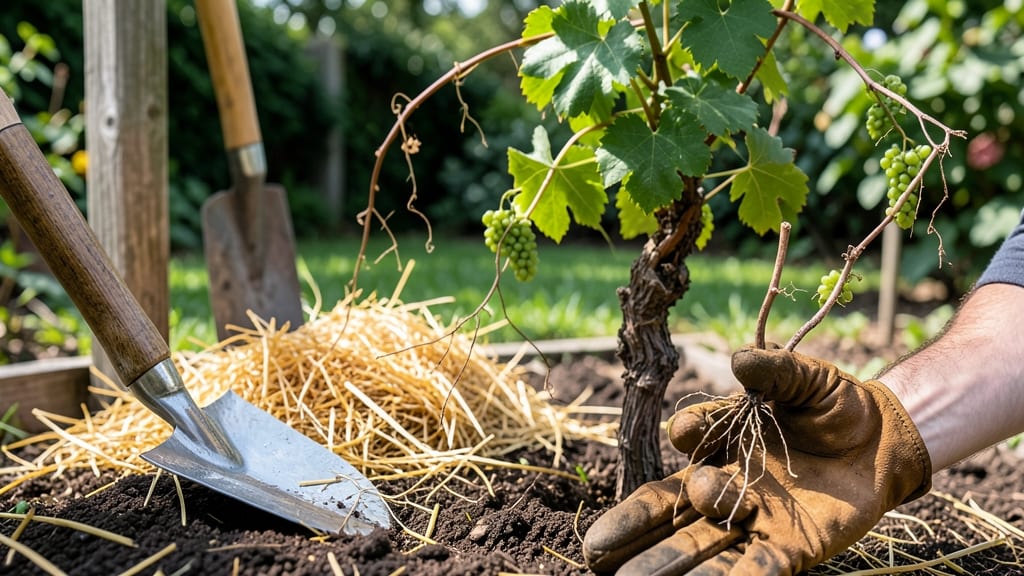
Timing your 🍇 grape planting in Missouri isn’t just about the calendar—it’s about matching your vines’ chill-hour needs to the Show-Me State’s unpredictable swings from frost to heat. One wrong move, and your hardy Norton or Concord could either rot in soggy soil or freeze before ever taking root.
Missouri’s Zone 5b-6b climate gives you two prime windows: early spring (March-April) when the ground thaws but frost risks linger, or late fall (September-October) when vines establish roots before winter’s chill sets in.
But here’s the catch: not all grapes thrive on the same schedule—some need 200 chill hours, others 800—and getting that balance wrong means wasted effort (or worse, dead vines).
I’ve tested the best varieties for Missouri’s extremes—from frost-resistant Marquette to high-yield Concord—and I’ll show you exactly when to plant each for maximum survival and harvest. Spoiler: The perfect window depends on soil prep, rootstock prep, and even your local microclimate’s last frost date.
Skip the guesswork and plant with confidence this season. By the end, you’ll know not just when to dig, but how to set your grapes up for a bountiful harvest from August to October—no matter if your yard leans toward St. Louis’s humidity or Kansas City’s drier air.
Missouri grape planting timeline by chill-hour requirements
Missouri’s Zone 5-6 climate creates a unique challenge for grape growers—too little chill hours (below 45°F) and your vines won’t fruit, but too much can stress them.
Most cold-hardy varieties need between 200-800 chill hours, and Missouri typically delivers 500-900 hours annually. Matching your variety to your microclimate is the key to success.
Spring planting (March-April) is ideal for dormant bare-root vines, while fall planting (September-October) works for container-grown plants. Both windows require careful timing to avoid late frosts or early cold snaps. Northern Missouri (Zone 5) needs earlier planting than southern areas (Zone 6) to account for colder winters.
Here’s how to align your planting with chill-hour needs and Missouri’s frost-free timeline:
| Variety | Chill-Hour Range | Best Planting Window | Missouri Zone Fit | Key Consideration |
|---|---|---|---|---|
| Norton (Cynthiana) | 600-900 | Early April or late September | 5b-6b | Native to Missouri; thrives in high chill zones |
| Concord | 500-700 | Mid-April or early October | 5b-6a | Popular for juice; needs well-drained soil |
| Marquette | 400-600 | Late March or mid-September | 5a-6b | Low-chill option for warmer microclimates |
| Frontenac | 300-500 | Early April or late September | 5b-6b | Disease-resistant; low-maintenance choice |
| Valvin Muscat | 500-700 | Mid-April or early October | 6a-6b | Sweet table grapes; needs winter protection |
For spring planting, aim to get vines in the ground 4-6 weeks before your last frost date (typically April 15 in Missouri). This gives roots time to establish before active growth begins. Check for dormant buds—they should still be tight and brown, not swelling.
Fall planting offers a second chance for missed spring windows. Plant 6-8 weeks before first frost (around September 20-October 15) to allow roots to anchor before winter dormancy. Container-grown vines handle fall better than bare-root, as their roots won’t dry out as quickly.
Missouri’s microclimates play a huge role—valleys and riverbanks stay warmer, while hilltops get colder. If you’re in Zone 5b, err on the earlier side for spring planting (late March) to avoid late frosts damaging new shoots. In Zone 6b, you have slightly more flexibility until mid-April.
Pro tip: Use a chill-hour calculator (like the one from the University of Missouri Extension) to input your zip code and see your local chill-hour total. This helps you match varieties to your specific location with precision.
Always test your soil’s pH (6.0-7.0 ideal) and drainage before planting—grapes hate soggy roots. Amend heavy clay soil with compost or sand to improve aeration, and avoid planting in low spots where frost settles.
🍇
Step-by-step planting guide for Missouri’s spring and fall seasons
Missouri gardeners have two prime windows to plant grapevines: early spring (March-April) and late fall (September-October). Each season offers unique advantages—spring gives vines time to establish roots before summer heat, while fall allows them to settle before winter dormancy.
I’ll walk you through the exact steps for both, including soil prep, rootstock selection, and post-planting care to ensure your vines thrive in Missouri’s Zone 5-6 climate.
Before planting, choose between bare-root or container-grown vines. Bare-root varieties are cheaper and easier to inspect for disease, while container-grown vines offer immediate root systems. For Missouri’s climate, I recommend bare-root vines for spring planting and container-grown for fall to minimize transplant shock during colder months.
Always select disease-resistant rootstock like Riparia or Rupestris to combat Missouri’s humid summers.
📋 Step-by-Step Planting Guide
- Step 1: Soil Preparation – Test soil pH (aim for 6.0–6.5). Amend with compost or aged manure for well-draining soil. Avoid clay-heavy spots.
- Step 2: Site Selection – Choose a south-facing location with full sun (6–8 hours/day) and protection from strong winds. Install a trellis before planting.
- Step 3: Planting Depth – Dig a hole twice as wide as the root ball but no deeper. Place the vine so the graft union is 2–3 inches above soil level.
- Step 4: Watering – Water deeply after planting to eliminate air pockets. Mulch with 3–4 inches of straw to retain moisture and suppress weeds.
- Step 5: Pruning – Trim damaged roots and cut canes back to 2–3 buds for spring planting. For fall, prune lightly to avoid winter stress.
For spring planting, time it after the last frost date (typically mid-April in Missouri). Soak bare-root vines in water for 4–6 hours before planting to rehydrate roots.
If planting in fall, do so 4–6 weeks before the first frost (usually by late September) to allow roots to establish before winter. In both cases, avoid planting when soil temperatures exceed 80°F, as this stresses young vines.
Missouri’s humid summers demand vigilant care after planting. Water newly planted vines deeply once a week for the first month, then taper to bi-weekly once established.
Use a drip irrigation system to keep foliage dry and reduce fungal risks like black rot or powdery mildew, which are common in Missouri. Apply a balanced fertilizer (10-10-10) in early spring and again after harvest to support vigorous growth.
One critical mistake Missouri gardeners make is over-pruning young vines. In their first year, focus on establishing a strong root system rather than heavy cane production. For spring-planted vines, prune again in late winter (February) to shape the vine.
For fall-planted vines, delay pruning until early spring to avoid winter dieback. Always sterilize pruners with rubbing alcohol to prevent disease spread.
With these steps, your grapevines will have the best chance to thrive in Missouri’s climate. Whether you plant in spring or fall, consistency in watering, pruning, and soil care will pay off with abundant harvests in years to come. 🍇