
Plants
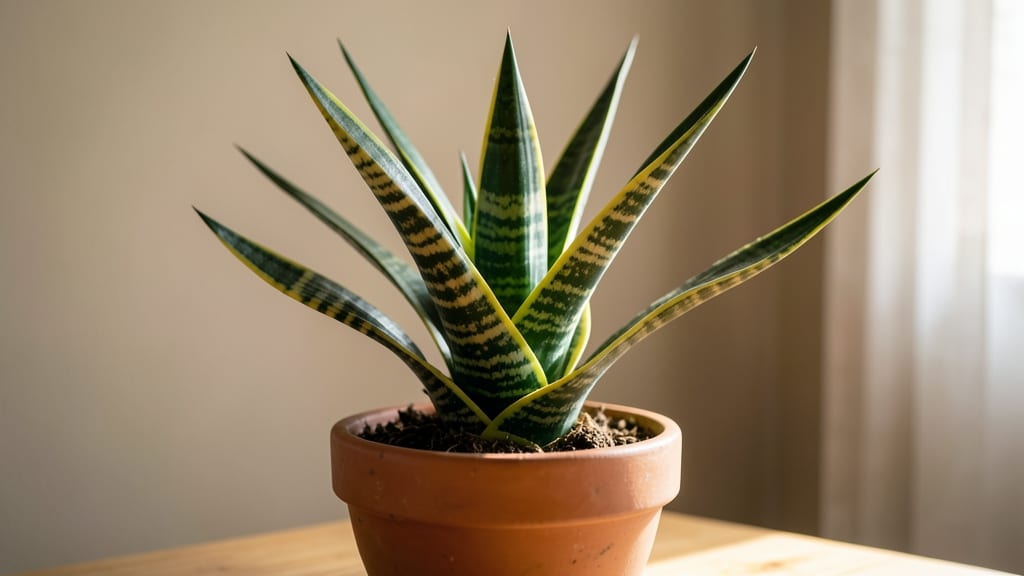
If you're wondering how much light does a rattlesnake plant need to thrive, the answer is simpler than you might think—it’s all about getting the balance just right.
These stunning tropical plants crave bright but indirect sunlight, and finding that sweet spot can mean the difference between lush, vibrant leaves and sad, crispy ones.
I’ve seen so many gardeners overcomplicate care, but the truth is, rattlesnake plants are forgiving once you understand their light needs. Too little, and they’ll stretch out weakly; too much, and those gorgeous patterns fade to brown.
The good news? With a few simple adjustments, you can create the perfect spot—whether you’re working with a cozy bathroom corner or a sunlit living room.
Let’s break down exactly how much light your rattlesnake plant needs to flourish, plus how to spot the signs when it’s not quite right. You’ll learn where to place it for optimal growth, how to fix common light-related issues, and even how to supplement if your home falls short.
Ready to give your plant the light it craves?
By the end, you’ll have a clear plan to transform your rattlesnake plant from a struggling survivor to a showstopper in your space. No guesswork—just science-backed tips tailored for real homes, not greenhouses.


Rattlesnake plant light requirements: the ideal low-medium sunlight balance
Rattlesnake plants (Calathea orbifolia) thrive in bright, indirect light—think of them as the divas of the houseplant world. Too much direct sun, and their leaves crisp up like toast. Too little light, and they stretch out pitifully, reaching for nonexistent sunshine. The sweet spot? 4-6 hours of filtered light daily, mimicking their native understory habitats in South America.
These plants hate harsh afternoon sun, which can scorch their delicate leaves. Instead, they prefer the gentle glow of east-facing windows or 2-3 feet back from south-facing windows. If your home lacks natural light, don’t despair—grow lights can save the day (we’ll cover that later!).
The key is consistency: rattlesnake plants despise sudden light changes, which can cause stress and leaf drop.
Here’s the science behind their light love: Calathea species have low photosynthesis efficiency compared to sun-loving plants. Their broad leaves are adapted to capture diffused light, not intense rays.
This means they grow slower but develop those stunning patterned foliage we adore—proof that patience (and the right light) pays off.
Seasonal adjustments are crucial. In summer, when sunlight is strongest, move your rattlesnake plant further from windows or use sheer curtains to filter the light. In winter, when days are shorter, supplement with LED grow lights (12-14 hours/day) to maintain their energy levels. Even a 10-watt bulb placed 12 inches away can make a difference!
Pro tip: Rotate your plant quarter-turn weekly to ensure even growth. Uneven light exposure causes lopsided growth, where one side stretches toward the light while the other stays compact. This simple habit keeps your rattlesnake plant symmetrical and show-stopping.
| Light Condition | Ideal Placement | Daily Duration | Signs of Correct Light |
|---|---|---|---|
| Bright Indirect | East/West window, 3-6 ft away | 4-6 hours | Vibrant patterns, upright growth |
| Low Light | North window or room corner | 2-4 hours | Leggy stems, pale leaves |
| Direct Sun | South window without filter | >2 hours | Brown crispy edges, bleached patterns |
Now, let’s talk about light intensity—not all indirect light is equal. A rattlesnake plant in a dimmly lit bathroom will struggle, while one near a brightly lit kitchen might thrive. To test your space, hold a white sheet of paper near your plant.
If you can’t read text on it easily, the light is too low. If the paper looks washed out or yellowed, the light is too harsh. Aim for a soft, even glow that’s bright enough to read by but not blinding.
If you’re dealing with artificial lighting, opt for full-spectrum LED bulbs (like those from Sylvania or Philips). These mimic natural light and won’t cause the stretched, weak growth you’d get from cheap bulbs.
Place the light 12-18 inches above the plant and keep it on for 12-14 hours daily. For extra peace of mind, invest in a light meter (even a $20 digital lux meter) to measure light levels—ideal ranges are 1,000-3,000 lux for rattlesnake plants.
One common mistake? Assuming more light is always better. While rattlesnake plants need light, they’re not sun-seekers like succulents. Overlighting causes oxidative stress, leading to those dreaded brown leaf tips.
Think of their light needs like a goldilocks scenario: not too hot, not too cold, but just right. With the right balance, your rattlesnake plant will reward you with lush, patterned leaves that’ll be the envy of every plant parent.
Ready to fine-tune your plant’s light? Start by observing its leaves—they’re the best barometer of success. We’ll dive deeper into troubleshooting light issues in the next section, so stay tuned! 🌿
Signs your rattlesnake plant isn’t getting the right light (and how to fix it)
Your rattlesnake plant’s leaves speak volumes about its light situation—pay attention to these visual cues. If the leaves develop yellow patches, it’s a classic sign of underlighting. The plant stretches toward light sources, creating long, leggy stems with sparse foliage.
This happens when it’s not getting enough bright indirect light to fuel photosynthesis properly. On the flip side, brown, crispy edges mean your plant is getting too much direct sun, causing cellular damage.
Another red flag? Bleached or faded patterns on the leaves. Rattlesnake plants rely on their stunning foliage patterns to attract light in their natural habitat. When these patterns disappear, it’s a cry for better light conditions.
Even drooping leaves can signal light stress—whether from insufficient light (leading to weak stems) or excessive light (causing dehydration). The key is observing these signs early before they escalate into irreversible damage.
- Placing near south-facing windows without filters → Sunburn risk
- Ignoring seasonal light changes → Winter light loss can shock plants
- Using cheap LED bulbs → Blue light deficiency causes stretching
These errors are easy to fix with simple adjustments—we’ll show you how!
Let’s tackle underlighting first. If your rattlesnake plant looks weak and stretched, move it to a brighter spot immediately. East or west windows are ideal, but if those aren’t options, try 2-3 feet from a south-facing window with sheer curtains.
For extreme low-light situations (like basements or north-facing rooms), supplement with a 10-15 watt LED grow light placed 12 inches above the plant. Run it for 12-14 hours daily to mimic natural daylight cycles.
For overlighting issues, the fix is equally simple: move the plant further away from the window or add a light-filtering curtain. If you notice brown tips forming, trim them with clean scissors and increase humidity around the plant (rattlesnake plants love 60-70% humidity).
A quick humidity boost—like placing the pot on a pebble tray with water—can prevent further damage while you adjust the light.
Pro tip: Rotate your plant weekly to prevent uneven growth. Uneven light exposure causes one side to stretch while the other stays compact, creating an asymmetrical mess. This simple habit ensures your rattlesnake plant grows evenly and strong, with vibrant patterns on all sides.
Think of it as a light workout—just like humans, plants need balanced exposure to stay healthy!
Still unsure? Here’s a quick diagnostic test: Hold a white piece of paper near your plant. If you can’t read text easily, the light is too low. If the paper looks yellowed or bleached, the light is too harsh.
Aim for a soft, diffused glow—like the light under a canopy in a forest. With these adjustments, your rattlesnake plant will bounce back in 2-4 weeks, showing you it’s finally getting the light it deserves! 🌿