
Plants
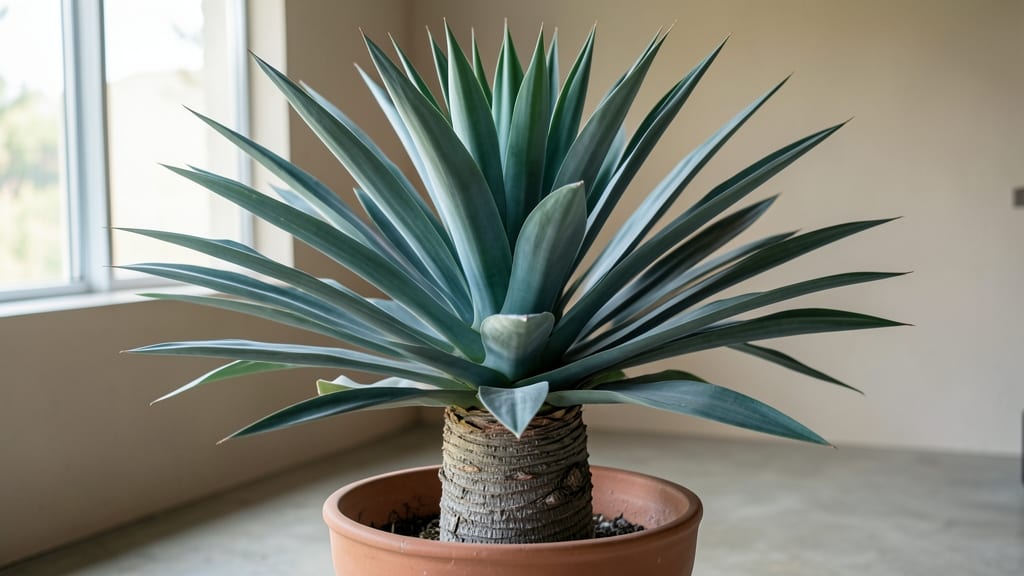
If your 🌵 yucca plant looks sad—leggy stems, yellowing leaves, or slow growth—you’re probably not giving it how much light does a yucca plant need. The truth is, yuccas thrive in bright conditions, but many gardeners (even experienced ones) get the balance wrong.
Too little light, and it struggles; too much, and it can get sunburned. The key is understanding how much light your yucca really needs to stay happy and healthy.
Yuccas are desert plants at heart, so they love full sun—think 6+ hours of direct sunlight daily. But here’s the catch: they’re also tough enough to handle some afternoon shade in hot climates.
The trick is finding that sweet spot where they get enough light to grow strong without getting stressed. Whether you’re growing yours in a pot on your patio or in the ground, getting this right makes all the difference.
Don’t worry if you’re not sure where to start. I’ll break down exactly how to tell if your yucca is getting the right amount of light, plus actionable tips to adjust it—whether you’re dealing with a shady corner indoors or harsh afternoon sun outdoors.
Let’s get your yucca looking lush and vibrant again.
Ready to transform your struggling yucca into a showstopper? Let’s dive into the light requirements that will have your plant thriving in no time.


Optimal light requirements for yucca plants: direct sun vs. indirect bright light
Yucca plants are sun worshippers at heart, thriving under bright, direct sunlight that mimics their native desert environments. Most varieties need 6 to 8 hours of sunlight daily, but some hardy types tolerate even more.
The key is balancing intensity and duration—too little light weakens growth, while too much can scorch delicate foliage.
For example, Yucca elephantipes (spineless yucca) handles full sun beautifully, while Yucca rostrata (soaptree yucca) prefers morning sun with afternoon shade in scorching climates. Understanding these differences prevents common mistakes like yellowing leaves (underlighting) or brown leaf tips (sunburn).
🌵 How to Identify Light Issues:
- Etiolated growth (long, leggy stems) = Not enough light
- Pale, weak leaves = Light deficiency
- Crispy, brown patches = Too much direct sun
In regions like USDA Zones 7-10, yuccas flourish outdoors year-round, but in cooler zones (Zones 5-6), they may need winter protection or indoor relocation. The goal is to replicate 60-90% sunlight exposure, depending on the variety and climate.
If you're growing yuccas in containers, place them where they’ll receive unfiltered sunlight for at least half the day. South-facing windows or balconies are ideal, but avoid west-facing spots in hot climates—the intense afternoon sun can cause leaf scorch within weeks.
For indoor yuccas, a south-facing window provides the best natural light, but supplement with a grow light (12-14 hrs/day) if growth slows. Watch for leggy stems—a classic sign your plant is stretching toward light. Rotate containers quarter-turns weekly to ensure even exposure.
In desert climates, yuccas thrive with minimal shade, but in humid or temperate zones, afternoon shade helps prevent stress. The trick is observing your plant’s color and texture: healthy yucca leaves are glossy green with a slight blue-gray tint, not dull or wilted.
Pro tip: If your yucca’s leaves start curling or drooping, it’s often a watering issue (too much or too little), but pale, weak stems almost always mean insufficient light. Adjust placement immediately—yuccas recover quickly when given proper conditions.
How to adjust light conditions for indoor vs. outdoor yucca growth
Yucca plants thrive with bright, direct sunlight, but their needs shift dramatically between indoor and outdoor environments. In my experience, outdoor yuccas crave 6+ hours of full sun daily, while indoor plants often struggle to get enough light.
The key is adapting their placement to match your home or garden’s natural light patterns.
For outdoor yuccas, morning sun paired with afternoon shade works best in hot climates like Arizona or California. This prevents leaf scorch while still delivering the intense light they crave.
In cooler regions, full sun exposure year-round is ideal, especially for varieties like Yucca elephantipes, which can handle harsh winter sunlight.
Indoor yuccas, however, face a bigger challenge. Most homes lack the bright indirect light these plants need to thrive. A south-facing window is your best bet—place your yucca within 3 feet of the glass to maximize light exposure.
If your home lacks natural light, grow lights (12-14 hours daily) can bridge the gap during winter months.
🌿 Indoor Yucca Light Adjustments
- 📍 South-facing window = Best natural light source
- 💡 Grow lights (12-14 hrs/day) for winter light deprivation
- 🌡️ Rotate plant weekly for even growth (prevents leaning)
- ⚠️ Avoid north-facing windows—leads to leggy, weak growth
☀️ Outdoor Yucca Light Adjustments
- 🌅 Morning sun + afternoon shade in hot climates
- 🌡️ Full sun year-round in cooler regions (USDA Zones 6-9)
- 🌵 South/west-facing spots ideal for desert varieties
- ❄️ Winter protection from harsh winds (can dry leaves)
Seasonal changes also demand adjustments. In winter, indoor yuccas may need supplemental grow lights to compensate for shorter daylight hours. Meanwhile, outdoor yuccas in northern climates might benefit from a sheltered microclimate to protect them from freezing winds that can stress the plant.
Pro tip: If your yucca starts developing pale, stretched leaves, it’s begging for more light. Move it closer to a window or upgrade to a brighter grow light. Conversely, crispy brown edges mean it’s getting too much direct sun—provide afternoon shade or filter the light with a sheer curtain.
Remember, yuccas are drought-tolerant but light-hungry. Balancing their need for bright light with proper watering (less in full sun, more in shade) is the secret to keeping them lush and healthy year-round. 🌵