
Plants
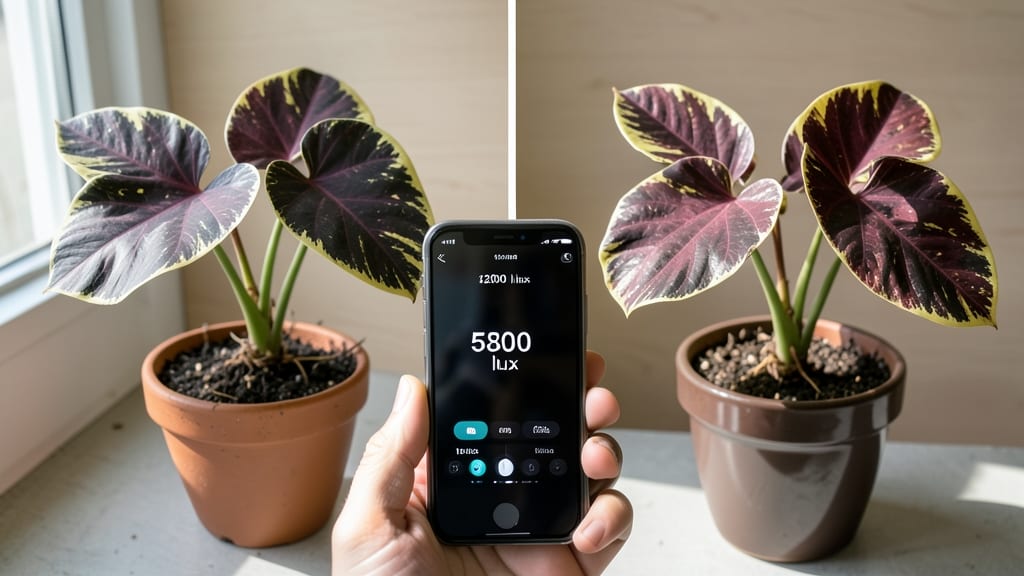
If you’ve ever wondered how much light does an elephant ear plant need to stay happy, you’re not alone—their leaves can turn droopy or crispy at the edges when conditions aren’t just right.
The truth is, these tropical stunners thrive on a delicate balance of light, and getting it wrong can mean the difference between show-stopping foliage and a sad, struggling plant.
Most gardeners assume these plants love full sun, but here’s the secret: Elephant Ear plants actually prefer bright, indirect light—think dappled shade or morning sun with afternoon shelter.
Too much direct sunlight? You’ll get scorched leaves. Too little? Your plant will stretch and weaken, losing that lush, vibrant look you love.
Whether you’re growing yours in your 6a zone garden, a sunny patio, or even indoors near a window, I’ll break down exactly how much light your plant needs—and how to spot when it’s not quite right. No more guessing games, just happy, healthy leaves.
Ready to unlock the perfect light setup? Let’s dive into the sunlight secrets that’ll keep your Elephant Ear 🌿 thriving all season long.


Ideal light requirements for elephant ear plants: bright indirect light explained
Elephant ear plants thrive in bright indirect light, mimicking their native tropical understory habitats. Unlike sun-loving succulents, these beauties need protection from harsh afternoon rays that can scorch their delicate leaves.
Think of it as a morning coffee break—they enjoy gentle sunlight in the cooler hours but need shade when the sun peaks.
Outdoors, place your Colocasia where they receive 4-6 hours of filtered sunlight daily, such as under a dappled shade tree or on an east-facing patio. This balance prevents leaf burn while promoting lush, vibrant foliage.
In my garden, I’ve noticed the ‘Black Stem’ variety handles slightly more light than the ‘Pink Frost’, which prefers extra shade.
Here’s the golden rule: morning sun is your friend, but afternoon sun is the enemy. Direct midday rays (11 AM–3 PM) can cause brown patches or crispy edges on leaves.
If your plant starts showing stress, move it to a spot with more shade or use a light sheer curtain for indoor plants.
| Light Condition | Daily Sunlight Hours | Ideal Location | Leaf Health Result |
|---|---|---|---|
| Bright Indirect Light | 4-6 hours | East-facing patio, under tree canopy | Deep green, glossy leaves |
| Morning Sun Only | 2-4 hours | North or east window, dappled shade | Healthy growth, minimal stress |
| Direct Midday Sun | 3+ hours (11 AM–3 PM) | South or west exposure | Brown edges, leaf scorch |
| Deep Shade | <2 hours | North-facing window, under dense trees | Pale leaves, leggy growth |
For container-grown elephant ears, rotate your pots every 2-3 weeks to ensure even light exposure. This prevents one side from stretching toward the light while the other remains weak. I swear by this trick—my ‘Illustris’ variety went from lopsided to perfectly symmetrical in just a month!
Seasonal adjustments are key. In summer, when the sun is fierce, provide extra shade with a cloth shade cloth (30-50%) or move potted plants to a sheltered spot. Conversely, in winter, they’ll tolerate slightly more light as days shorten, but avoid cold drafts that can shock the plant.
Pro tip: Test your spot before planting. Place a white piece of paper in the sun for a few hours. If it’s hot to the touch, it’s too intense for elephant ears. If it’s barely warm, it’s perfect for their tropical preferences.
Remember, elephant ears are drama queens—they’ll tell you exactly what they need through their leaves. Watch for yellowing (too much sun) or pale, stretched growth (not enough light). With the right light, you’ll reward yourself with bold, arrow-shaped leaves that steal the show in any garden.
🌿
Signs your elephant ear plant isn’t getting enough (or too much) light
Your elephant ear plant speaks volumes through its leaves—pay attention to these visual cues that reveal whether it’s basking in perfect light or struggling. Yellowing leaves often signal too much direct sun, while pale, limp foliage means it’s begging for more brightness.
Even brown crispy edges can appear when light conditions are off.
If your plant’s growth seems stunted or leaves are smaller than usual, it’s likely not getting enough light. I’ve seen this happen when plants are tucked too far back in shady corners. Leggy stems stretching toward the light are another red flag—your plant is reaching for more energy!
Here’s the tricky part: elephant ears can also show signs of stress if they’re getting too much afternoon sun. Look for bleached or sunburned patches on leaves—these appear as white or grayish areas. In extreme cases, leaves may even curl or crisp up like a sad, wilted mess.
Callout Warning visual element goes here:
Too much sun? Brown crispy edges and white patches appear. Too little? Pale leaves and stunted growth take over.
💡 Quick Fix: Move plants gradually to bright indirect light—never expose them to sudden full sun.
When in doubt, observe your plant’s growth patterns over a few weeks. If leaves are dark green and glossy with steady new growth, you’ve nailed the light balance! But if you notice yellowing between veins, that’s often a sign of overwatering combined with poor light—a double trouble combo.
Pro tip: Rotate your plant every few days if it’s indoors. This ensures even light exposure and prevents one-sided growth where stems lean toward the window. Outdoors, watch how shadows move—morning sun is gentler than afternoon heat for these tropical beauties.
Remember, elephant ears are drama queens—they’ll tell you exactly what they need if you know what to look for. Keep an eye out for these signs, and your plant will reward you with bold, healthy foliage all season long! 🌿