
Plants
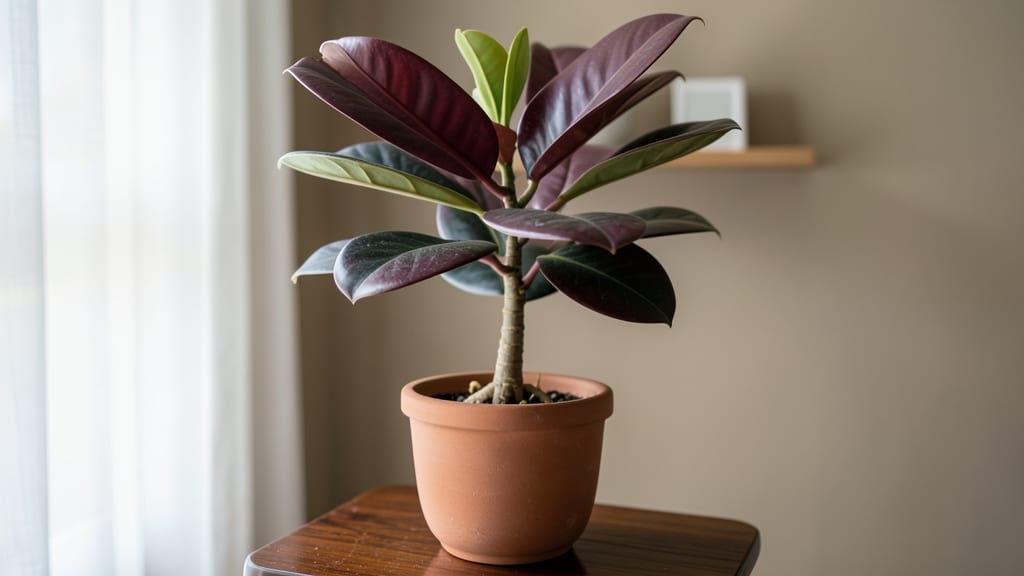
If you're wondering how tall does a rubber plant grow, you're not alone—this striking 🌿 plant can become a bold statement piece or a towering giant, depending on care and variety.
Rubber plants (Ficus elastica) are known for their lush, glossy leaves and dramatic vertical growth, but their mature height can vary wildly between 3 feet and a staggering 10 feet indoors.
What determines whether your rubber plant stays compact or reaches for the ceiling? The answer lies in its variety, care routine, and growing conditions.
Some dwarf varieties top out around 3-5 feet, making them perfect for small spaces, while standard types can easily surpass 6 feet in just a few years. The key to controlling its height often comes down to light exposure, pruning habits, and even the pot size you choose.
For those who love a lush, leafy centerpiece but don’t want a ceiling-hugging monster, there’s good news: regular pruning can keep your rubber plant at your desired height.
Plus, understanding its growth patterns helps you plan for the future—whether you're aiming for a floor-length statement plant or a manageable tabletop size. Let’s break down what to expect based on your plant’s variety and care routine.
Ready to make an informed choice? I’ll walk you through the factors that influence rubber plant height, from indoor vs. outdoor growth differences to simple pruning techniques that’ll keep your plant thriving—no matter how tall (or short) you want it to be.

Rubber plant height by variety: expected indoor growth ranges
Rubber plants (Ficus elastica) are prized for their bold, glossy leaves and dramatic foliage, but their mature height can vary wildly depending on the variety.
Under ideal indoor conditions, most rubber plants reach 6 to 10 feet tall, though some dwarf varieties stay compact at just 3 to 4 feet. The key difference lies in genetics, growth habits, and care—so choosing the right variety for your space is critical.
If you’re working with limited ceiling height or small rooms, opting for a dwarf or variegated variety can help you enjoy the plant’s striking looks without sacrificing space. Meanwhile, standard varieties like the classic ‘Black Prince’ or ‘Tineke’ can become towering statement pieces in larger homes or greenhouses.
Below, we break down the expected heights for popular varieties.
| Variety | Mature Height (Indoor) | Growth Rate | Notes |
|---|---|---|---|
| ‘Black Prince’ (Standard) | 6–10 ft | Moderate (1–2 ft/year) | Deep purple-black leaves; needs bright indirect light. |
| ‘Tineke’ (Variegated) | 4–8 ft | Slow to moderate | Creamy-white variegation; slower growth than solid-leaf types. |
| ‘Burgundy’ (Dwarf) | 3–5 ft | Slow (6–12 in/year) | Compact, burgundy leaves; ideal for small spaces. |
| ‘Doescheri’ (Variegated) | 5–9 ft | Moderate | Pinkish stems with variegated leaves; needs consistent humidity. |
| ‘Robusta’ (Standard) | 8–12 ft | Fast (2+ ft/year) | Thick, leathery leaves; grows quickly with proper care. |
For reference, a standard rubber plant can grow 1–2 feet per year under optimal conditions, while dwarf varieties like ‘Burgundy’ may only add 6–12 inches annually.
This means a 3-year-old plant could range from 3 feet (dwarf) to 6 feet (standard), making early pruning or variety selection essential for height management.
One common misconception is that all rubber plants grow equally tall. In reality, variegated varieties often grow slower due to their energy demands for maintaining patterned foliage. Meanwhile, solid-leaf types like ‘Robusta’ prioritize rapid vertical growth.
If you’re unsure which variety to choose, start with a medium-height option like ‘Tineke’—it offers a balance of manageable size and striking appearance.
Light exposure plays a surprising role in height control. Rubber plants grown in low-light conditions tend to stretch toward light sources, a phenomenon called etiolation, which can make them appear leggy and taller than expected.
Conversely, placing your plant in bright indirect light encourages bushier, more compact growth. A simple trick is to rotate the pot quarter-turns every 2 weeks to ensure even light exposure and prevent lopsided growth.
Outdoor rubber plants can reach even greater heights—up to 15 feet or more in tropical climates—but indoor growth is typically 30–50% shorter due to limited light and space. If you’re aiming for a specific height, consider pruning regularly or opting for a bushier-growing variety like ‘Burgundy.’
With the right care, you can enjoy a rubber plant that fits your space perfectly while still showcasing its dramatic foliage.
Remember, rubber plants are slow to recover from over-pruning, so it’s better to choose a variety that aligns with your space from the start. For example, if your ceiling is 8 feet tall, a ‘Tineke’ or ‘Burgundy’ will thrive without outgrowing its surroundings.
And if you love the idea of a towering plant but lack vertical space, propagating cuttings is a great way to create a multi-plant display at a manageable height.
🌿
Rubber plant height by variety: expected indoor growth ranges
Choosing the right rubber plant variety is the first step in controlling its height. While all Ficus elastica plants share similar care needs, their mature sizes can differ dramatically. Some varieties stay compact, while others grow into towering indoor trees.
For example, the standard rubber plant can easily reach 6-10 feet indoors with proper care, while dwarf varieties like 'Black Prince' or 'Burgundy' typically max out around 3-5 feet.
Understanding these height expectations helps you plan your space and care routine. A variegated rubber plant, such as 'Tineke' or 'White Princess,' may grow slightly slower due to its energy demands for colorful foliage, often reaching 4-7 feet.
Meanwhile, the Robusta variety, known for its thick, glossy leaves, can grow just as tall as standard types if given enough light and nutrients.
Here’s a quick reference for the most popular rubber plant varieties and their typical indoor heights:
| Variety | Mature Height (Indoors) | Growth Rate | Notes |
|---|---|---|---|
| Standard (e.g., 'Decora') | 6-10 ft | Moderate-Fast | Classic glossy leaves; needs strong light |
| Dwarf (e.g., 'Black Prince') | 3-5 ft | Slow-Moderate | Dark purple-black leaves; ideal for small spaces |
| Variegated (e.g., 'Tineke') | 4-7 ft | Moderate | Creamy-white variegation; slower growth due to energy demands |
| Robusta (e.g., 'Variegata') | 6-10 ft | Fast | Thick, leathery leaves; thrives in bright indirect light |
| Burgundy (e.g., 'Burgundy') | 3-6 ft | Slow-Moderate | Deep burgundy leaves; compact growth habit |
If you’re working with limited vertical space, opt for a dwarf or variegated variety—they’re perfect for shelves or desks. But if you love the idea of a floor-to-ceiling green statement, a standard or Robusta variety will deliver dramatic results in just a few years.
Remember, these heights are for indoor conditions; outdoor rubber plants can grow even taller, sometimes reaching 15-20 feet in tropical climates.
For those who want to keep their rubber plant at a specific height, pruning plays a huge role. Regular trimming not only controls height but also encourages bushier, fuller growth.
I’ll cover pruning techniques in detail later, but for now, know that even the tallest rubber plants can be managed with the right care.
Pro tip: If you’re unsure which variety to choose, start with a standard rubber plant—it’s the most versatile and forgiving for beginners. Its height can be easily managed with pruning, and it adapts well to different light conditions.