
How To
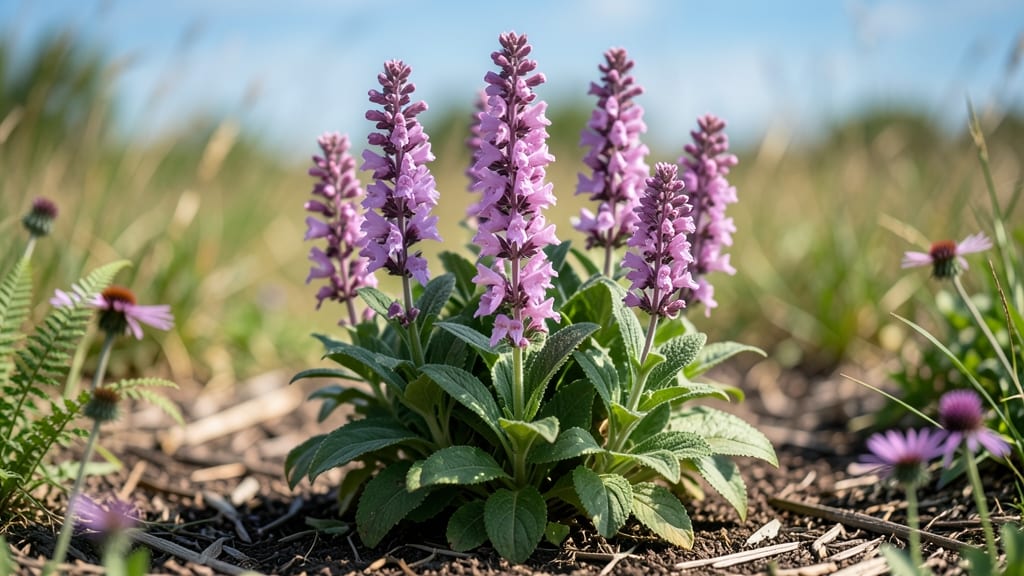
If you're wondering how tall does obedient plant grow, you're not alone—this charming perennial often surprises gardeners with its adaptability. The obedient plant 🌿 can range from compact 1-foot varieties like 'Little Obedience' to towering 4-foot giants, making it perfect for both small containers and cottage garden borders.
What makes this plant so versatile? Its height depends on the variety and growing conditions. Dwarf types stay under 2 feet, ideal for window boxes or front-row plantings, while standard varieties can reach 3-4 feet in full sun.
The key to controlling its size lies in proper spacing and occasional pruning.
For small gardens, choosing a compact variety is the easiest way to keep things manageable. These plants thrive in USDA Zone 6a and beyond, with minimal care once established. Whether you're planting in spring or container gardening, understanding their growth habits will help you create the perfect display.
Ready to transform your garden? I'll walk you through the best varieties for your space and how to maintain their ideal height—no guesswork required. Let's dive into the details that will help you pick the perfect obedient plant for your needs.

Obedient plant height guide: compact varieties vs. tall giants (with exact measurements)
The obedient plant (Physostegia virginiana) earns its name by staying neatly upright—no flopping or sprawling like some perennials. But its height varies wildly depending on the variety and growing conditions.
Standard types can reach 3–4 feet, while dwarf cultivars stay under 2 feet, making them perfect for small gardens or containers. Let’s break down the exact measurements so you can pick the perfect fit for your space.
Most obedient plant varieties follow predictable growth patterns. In their first year, they’ll grow 1–2 feet tall, then add another foot each subsequent year until reaching maturity.
However, dwarf varieties like ‘Little Darling’ max out at just 1–1.5 feet, while standard types like ‘Miss Manners’ can stretch to 4 feet if given ideal conditions. The key? Sunlight exposure and pruning habits can adjust height by up to 12 inches.
Here’s the visual breakdown of how different obedient plant varieties compare in height, along with their ideal spacing and care notes to keep them from outgrowing your garden.
| Variety | Mature Height | Spread | Spacing (inches) | Sunlight Needs |
|---|---|---|---|---|
| 'Little Darling' | 12–18" | 12–18" | 12" | Partial shade |
| 'Miss Manners' | 24–36" | 18–24" | 18" | Full sun to partial shade |
| 'Summer Snow' | 36–48" | 24–30" | 24" | Full sun |
| 'Vivid' | 18–24" | 12–18" | 12" | Partial shade |
| Standard Physostegia virginiana | 36–48" | 24–36" | 24–36" | Full sun to partial shade |
*Spacing refers to distance between plants for optimal airflow and growth.
If you’re planting obedient plants in containers, choose dwarf varieties like ‘Little Darling’ or ‘Vivid’ to avoid overcrowding. These stay under 2 feet tall, making them ideal for window boxes or balcony gardens.
For in-ground planting, standard varieties need 2–3 feet of space to prevent competition for nutrients and sunlight.
Seasonal growth also plays a role in height. Obedient plants grow most aggressively in spring and early summer, with blooms appearing by June or July.
If you prune back dead flowers regularly, you’ll encourage a second flush of blooms in late summer, but the plant’s height will remain stable. Without pruning, some varieties can grow 6–12 inches taller by fall.
Soil quality affects height too. Well-draining, fertile soil with added compost helps obedient plants reach their full potential height. If your soil is clay-heavy or poor-draining, roots may struggle, and the plant could stay shorter than expected.
Amending soil with organic matter before planting is a game-changer for taller growth.
For urban gardens or small yards, I recommend ‘Little Darling’ or ‘Miss Manners’—both stay under 3 feet and bloom prolifically. Place them near patio edges or walkways where their vertical height adds structure without overwhelming the space. Pair them with shorter perennials like heuchera or ajuga for a layered look.
Pro tip: If you’re unsure about height, start with a container-grown plant. You can always transplant it to the ground later if it outgrows its pot. Just be sure to water deeply after transplanting to reduce shock and encourage steady growth.
Remember, obedient plants are perennials, meaning they’ll return year after year. With the
Obedient plant height guide: compact varieties vs. tall giants (with exact measurements)
The obedient plant (Physostegia virginiana) offers a stunning range of heights, from dainty 1-foot varieties to robust 4-foot giants. The key to choosing the right one lies in understanding how each type matures—whether you're working with dwarf cultivars for containers or standard varieties for garden borders.
For example, the 'Little Obedience' variety typically stays between 1-2 feet tall, making it perfect for window boxes or small pots. On the other end, the classic wild-type obedient plant can reach 3-4 feet when given full sun and proper spacing.
Even within the same species, growth habits vary significantly based on sunlight exposure and soil conditions.
Here’s a quick comparison of how these heights develop over time:
| Variety | Mature Height | Growth Habit | Best For |
|---|---|---|---|
| 'Little Obedience' | 1-2 ft | Clumping, bushy | Containers, borders |
| 'Little Darling' | 1.5-2 ft | Compact, upright | Window boxes, small gardens |
| 'Miss Manners' | 2-3 ft | Semi-upright, spreading | Mid-border plantings |
| Standard (wild type) | 3-4 ft | Tall, upright | Back of borders, cottage gardens |
Seasonal growth also plays a role in height. In their first year, obedient plants typically grow 1-2 feet tall, with most of their energy focused on establishing roots. By year two, they can double in height, especially if planted in full sun with rich, well-draining soil.
Pruning in early spring can help control height and encourage bushier growth.
If you’re planting multiple obedient plants, spacing is critical. Dwarf varieties need 12-18 inches between plants, while standard types should have 2-3 feet of space to prevent overcrowding. Proper spacing not only controls height but also improves airflow, reducing the risk of fungal diseases.
For gardeners in USDA Zone 6a, obedient plants thrive with minimal winter care, as they’re hardy and return year after year. Their height potential makes them a versatile choice, whether you’re aiming for a low-maintenance border or a showstopping focal point in your landscape.