
Watering
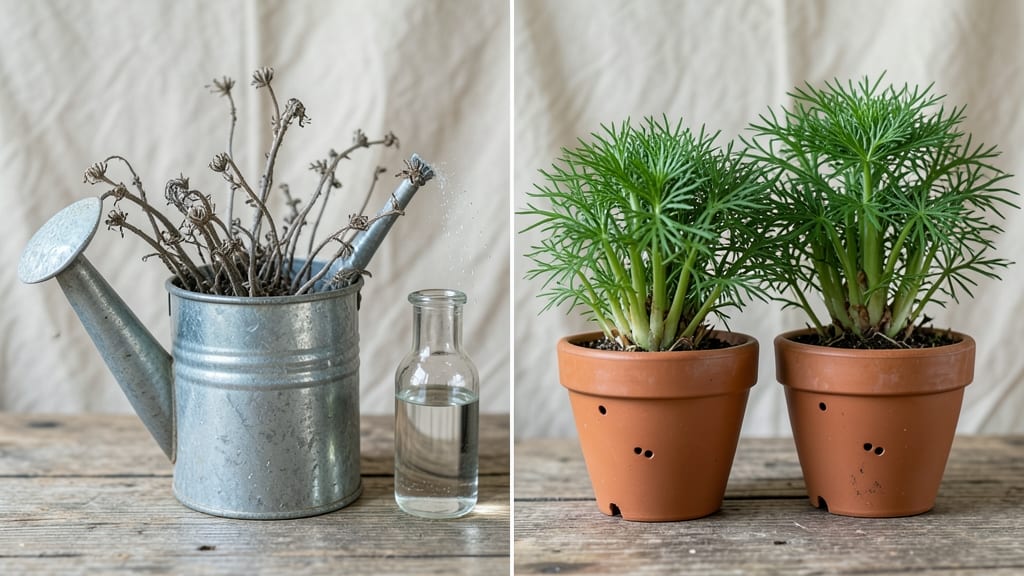
If you’ve ever wondered how much water a resurrection plant 🌵 can handle before turning back into a shriveled husk, you’re not alone. This drought-proof marvel isn’t just a botanical oddity—it’s a masterclass in survival, but even its legendary resilience has limits.
The key to keeping your resurrection plant alive (and thriving) lies in a delicate balance: too little water, and it stays dormant forever; too much, and its roots drown. I’ll break down the exact watering schedule—from minimal hydration during dormancy to controlled revival phases—so you never guess again.
Whether you’re a seasoned plant parent or a curious beginner, this guide will help you avoid the two biggest mistakes: underwatering (which keeps it in hibernation) and overwatering (which kills it faster than you’d think).
Let’s dive into the science of reviving this tiny green miracle without turning your pot into a swamp.
You’ll learn how to read your plant’s signals, adjust for humidity, and even rescue a plant that’s already gone too long without water. Trust me, your resurrection plant will thank you—literally—by springing back to life when you least expect it.
Resurrection plant watering schedule: exact frequency by season and growth stage
The resurrection plant (Selaginella lepidophylla) thrives on a minimalist watering approach—too much water kills it, but too little keeps it dormant forever. Unlike most plants, it has three distinct phases with unique hydration needs: dormant, reviving, and active growth.
Let’s break down the exact watering schedule for each stage, so you never guess wrong again.
During its dormant phase (winter months), your resurrection plant needs almost no water. Think of it like a desert survivor—it’s designed to handle dryness. In fact, overwatering here is the #1 killer.
Only water once every 4-6 weeks during dormancy, and even then, just a light mist over the soil surface is enough to keep it alive without waking it up prematurely.
When spring arrives and your plant starts to revive (leaves turn green), this is when you’ll see the magic happen.
Increase watering to every 10-14 days, but use the soak-and-dry method: water deeply until it drains from the bottom, then wait until the top 1-2 inches of soil feel completely dry before watering again. This mimics its natural desert rainfall patterns.
In active growth phase (summer), your resurrection plant will look lush and green. This is when it needs the most water—every 7-10 days—but always use the soak-and-dry method. The key is to never let it sit in soggy soil.
Use a pot with drainage holes and a well-draining cactus/succulent mix to prevent root rot. If you’re growing it outdoors, place it in a raised bed or container to avoid waterlogging.
As temperatures drop in fall, your resurrection plant will start to prepare for dormancy. Begin reducing water gradually—switch to every 14-21 days—and stop fertilizing entirely.
This slow transition helps it enter dormancy naturally without shock. If you see leaves starting to curl or turn brown, you’re likely watering too much during this phase.
One of the biggest mistakes gardeners make is watering on a schedule rather than checking the plant’s needs. Resurrection plants are highly sensitive to humidity and temperature changes.
In dry, hot climates, you may need to water more frequently (even in dormancy), while in humid or cool areas, you can stretch out the intervals. Always prioritize soil moisture checks over rigid schedules.
Pro tip: If your resurrection plant is in a terracotta pot, it will dry out faster than in plastic. Adjust your watering frequency accordingly—terracotta wicks moisture away, so you’ll need to water 2-3 days earlier than with plastic containers.
And if you’re using a glass terrarium, reduce watering by 50% since the enclosed space traps humidity.
Remember, the resurrection plant’s superpower is dehydration tolerance, not constant hydration. Treat it like a desert cactus—water deeply but infrequently. With this schedule, you’ll see it revive dramatically in spring and stay healthy all year round. Now go give your plant the perfect hydration balance it deserves!
How to test soil moisture for resurrection plants (without a hygrometer)
Testing soil moisture for a resurrection plant is all about reading subtle cues—this plant thrives on neglect, not guesswork. Since it’s adapted to survive extreme dryness, traditional watering rules don’t apply. Instead, focus on soil texture, leaf cues, and simple tactile checks to avoid drowning its delicate roots.
Most gardeners make the mistake of assuming a dormant resurrection plant needs water just because it looks dry. But its curled, papery state is a survival mechanism, not a distress signal. Before reaching for the watering can, use these 3 foolproof methods to gauge moisture levels accurately.
⚠️ CALLOUT WARNING ⚠️
Resurrection plants rot in soggy soil. Even well-draining mixes can trap moisture if watered too frequently. Never let the pot sit in saucers of water—this plant’s roots suffocate faster than they dehydrate.
First, stick your finger 1 inch deep into the soil. If it feels completely dry and crumbles easily, your plant is ready for a light misting. But if even the top layer feels damp, wait another 7-10 days.
Pro tip: Use a wooden skewer for containers—it’s gentler on the roots and reveals moisture gradients better than fingers.
Next, observe the leaf texture. Healthy resurrection plants in dormancy appear brown and papery, not shriveled. If the leaves feel slightly stiff when gently pressed, they’re conserving moisture.
Only when they flatten completely (not curl) should you consider watering. This is your plant’s last-ditch survival signal, not a daily reminder.
For container growers, lift the pot—a dry pot feels noticeably lighter than one with moisture. Weigh it weekly to track changes.
Pair this with a visual soil check: Dark, clumpy soil means it’s too wet; light, fluffy soil means it’s ready. Never water if the top inch still feels cool to the touch—this plant’s roots prefer warm, dry conditions.
Lastly, adjust your approach based on humidity levels. In dry climates (like USDA Zone 6a summers), water every 3-4 weeks. In humid environments, stretch this to 6 weeks. Group resurrection plants with cacti or succulents—their care routines align perfectly, and you’ll spot moisture mistakes faster.
Remember: This plant’s miracle revival isn’t magic—it’s precision. Trust the soil, not the calendar, and your resurrection plant will reward you with vibrant green leaves in just 24 hours after watering. 🌱